Brazil travel in 2026 is witnessing a quiet renaissance that mirrors the country's golden tourism era of the early 2010s, fueled by a favorable exchange rate, renewed infrastructure investment, and cultural momentum that extends far beyond the stadiums hosting World Cup matches. The Brazilian Real hovers near historic lows against the U.S. dollar, making luxury experiences in Rio de Janeiro and São Paulo accessible at prices that would have seemed impossible just five years ago[2]. Air connectivity has expanded dramatically, with nonstop routes from eight U.S. cities now serving Brazil's major gateways, and Embratur reports a 34% year over year increase in North American arrivals through Q1 2026[1]. This convergence of affordability, access, and cultural relevance is drawing a new generation of travelers who missed Brazil's last peak moment.
Is Brazil Worth Visiting in 2026?
Every indicator suggests Brazil offers exceptional value right now. Currency advantage sits at the heart of the equation: premium beachfront hotels in Búzios and Paraty that commanded $600 per night in 2014 now list at $280 to $320 for comparable properties. Fine dining in São Paulo's Jardins neighborhood costs roughly 40% less than equivalent Michelin-starred experiences in New York or San Francisco when converted at current rates[2]. Beyond pure economics, Brazil's cultural output has reached critical mass globally, with Brazilian artists dominating streaming charts, fashion houses collaborating with São Paulo designers, and culinary techniques from the Northeast gaining traction in international kitchens.
Infrastructure improvements extend well beyond World Cup venues. Rio's revitalized Porto Maravilha district has transformed the waterfront with museums, promenades, and restored colonial architecture. São Paulo expanded its metro system with three new lines connecting previously isolated neighborhoods to the city center[3]. Smaller coastal towns like Trancoso and Jericoacoara upgraded airports and highway access without sacrificing their village character. These investments benefit independent travelers far more than event tourists, creating smoother ground transportation, better digital payment infrastructure, and hospitality staff trained to international standards.
Flight compensation becomes relevant when traveling during Brazil's peak summer months (December through February), when weather-related delays affect coastal routes. Understanding your rights under both U.S. Department of Transportation regulations and Brazilian consumer protection law matters when connections through São Paulo's Guarulhos airport run tight. Tools like flight delay compensation calculators help travelers assess what they're owed when disruptions occur on international itineraries involving U.S. carriers or codeshare partners. Similar protections extend to lost baggage scenarios, particularly relevant given the multi-leg journeys many Brazil itineraries require.
When Is the Best Time to Travel to Brazil?
April through October delivers Brazil's most reliable weather window across the southeast region where most first-time visitors concentrate their itineraries. Rio de Janeiro enjoys sunny days with temperatures between 70°F and 78°F, Iguazu Falls runs at impressive volume without excessive rain, and the Pantanal wetlands offer peak wildlife viewing as water levels recede to concentrate animals around remaining pools. This period also avoids both Carnival's February crowds and December's domestic holiday rush when Brazilian families flood coastal resorts and prices double.
Understanding Safety Realities for Tourists in 2026
Safety considerations in Brazil require the same situational awareness travelers apply in any major metropolitan destination worldwide. Rio and São Paulo present urban challenges familiar to anyone who has navigated Mexico City, Buenos Aires, or parts of Los Angeles: certain neighborhoods demand heightened vigilance, particularly after dark, while others function as safely as any global city center. Tourist zones in Ipanema, Leblon, Jardins, and Vila Madalena maintain visible security presences, and ride-hailing apps have eliminated the risks associated with street taxis that plagued earlier decades[1].
Practical measures reduce risk substantially.携带 only the cash and cards needed for each outing, leave passports in hotel safes, and use hotel-arranged airport transfers rather than negotiating transportation in unfamiliar arrivals halls. Beach theft remains the most common tourist complaint, easily mitigated by traveling light to the sand and never leaving belongings unattended. The State Department's country advisory for Brazil sits at Level 2 (Exercise Increased Caution), the same designation applied to France, the United Kingdom, and Germany, reflecting urban crime concerns rather than systematic targeting of foreign visitors[1].

Regional variations matter significantly. Colonial towns like Ouro Preto and Paraty report minimal crime against tourists. Amazon lodge environments operate under controlled access that enhances security. Smaller beach communities along the Costa Verde rely on tourism revenue and maintain vigilant local oversight. Understanding context prevents both unnecessary anxiety and genuine mistakes, much as researching insurance coverage gaps prevents financial exposure when travel disruptions occur in destinations with limited consumer protection enforcement.
How the World Cup Shapes Brazil's Travel Landscape
FIFA World Cup 2026 matches take place exclusively in North American venues, yet Brazil experiences significant tourism spillover as the world's most successful football nation mobilizes supporters across borders. Brazilian fans traveling to matches in the United States and Mexico create reciprocal interest, with North American supporters using the event as catalyst to finally explore Brazil itself before or after tournament attendance[3]. Airlines responded by expanding capacity on routes connecting U.S. gateway cities to São Paulo and Rio, with frequencies that will outlast the tournament itself.
Infrastructure investments originally planned for a potential Brazil hosting bid found alternative funding and proceeded anyway. São Paulo's Congonhas airport completed terminal expansions that reduce connection times for domestic flights[3]. Rio's Museum of Tomorrow and renovated Maracanã stadium district created attractions with permanent appeal. These improvements compound the country's existing strengths rather than creating temporary event infrastructure that decays post-tournament, as occurred in some 2014 host cities.
Travel protection becomes particularly relevant during tournament periods when flight schedules tighten and cancellation penalties increase. Travelers should understand their options through comprehensive claim support platforms that handle both straightforward delays and complex multi-leg itineraries. Trip insurance policies purchased specifically for event travel often contain exclusions that standard leisure policies omit, requiring careful review of coverage documents.
Building Your First Brazil Itinerary
First-time visitors achieve optimal balance by combining one major city with one beach or nature destination across seven to ten days. The classic pairing matches Rio de Janeiro's urban energy with either Paraty's colonial charm or Búzios' beachfront ease, connected by scenic coastal drives or short flights. Alternatively, São Paulo's cultural depth pairs beautifully with Iguazu Falls' natural spectacle, accessible via quick domestic flights that eliminate backtracking[1].
A practical 10-day framework might include:
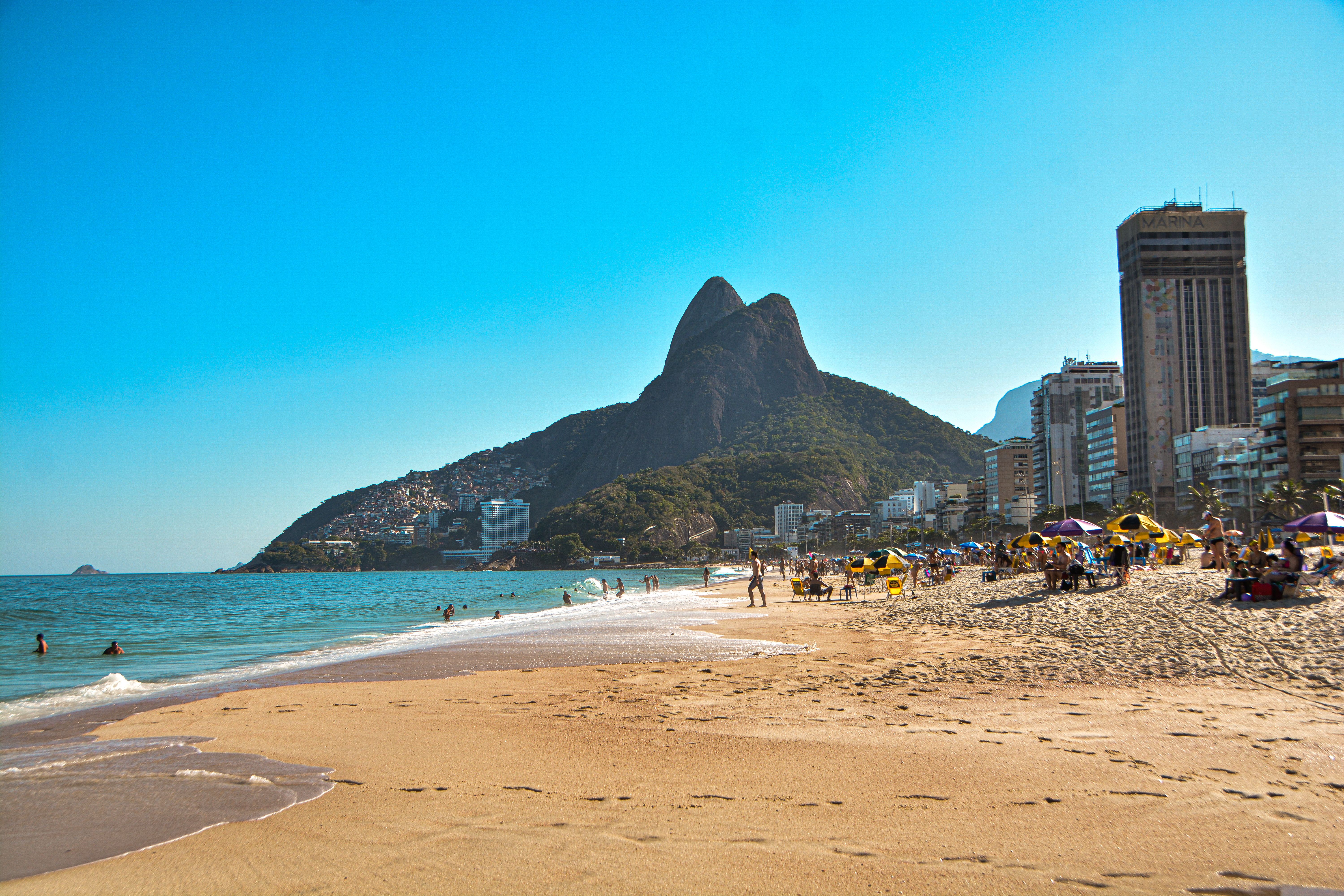
- Three nights in Rio (Ipanema or Botafogo neighborhoods) covering Sugarloaf, Christ the Redeemer, and beach culture
- Two nights in Paraty exploring colonial architecture, nearby beaches, and island boat trips
- Three nights in São Paulo experiencing museums, dining scene, and nightlife in Vila Madalena
- Two nights in Iguazu Falls spanning both Brazilian and Argentine sides of the falls
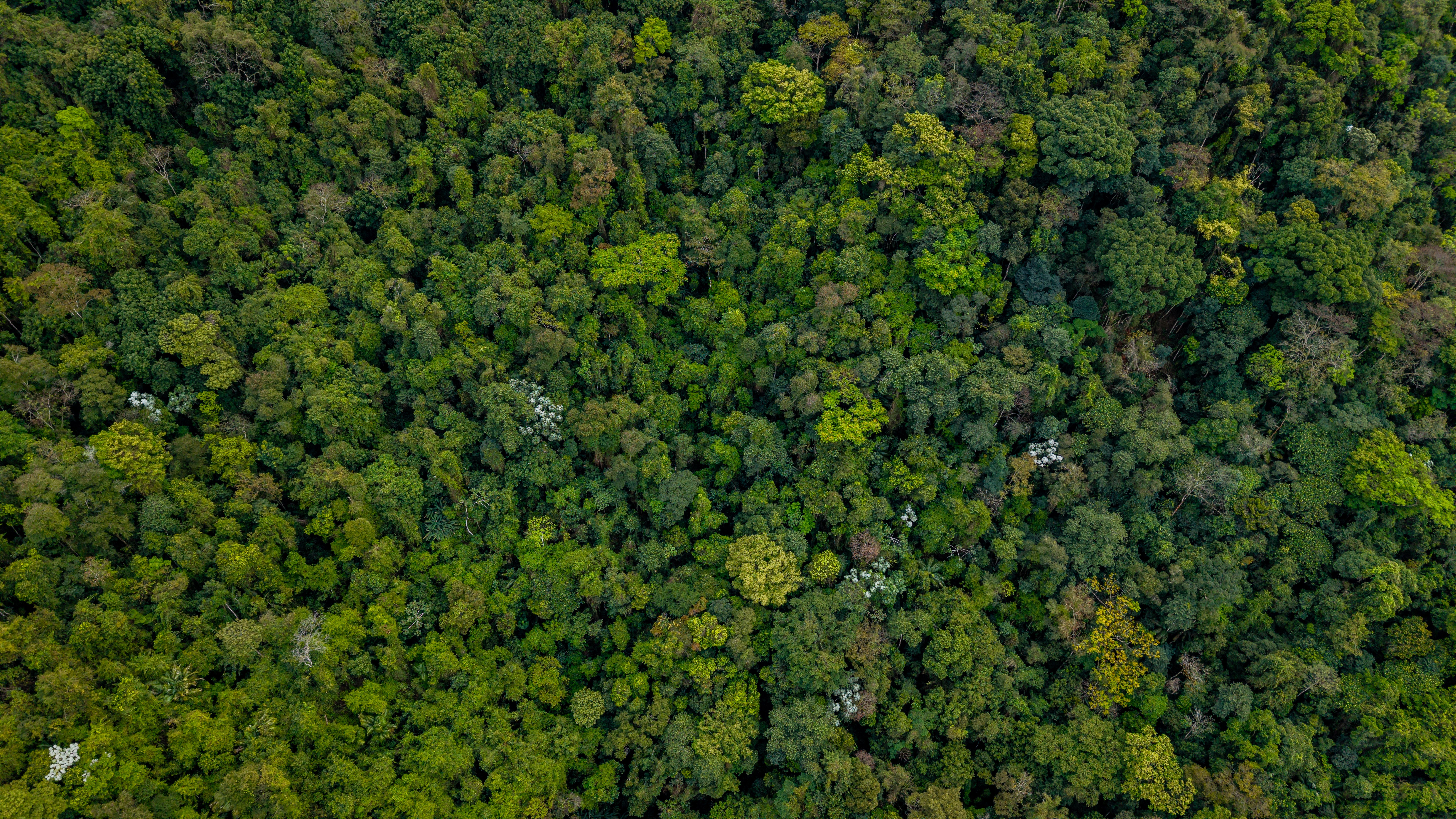
This routing minimizes backtracking while sampling Brazil's urban sophistication, beach culture, colonial heritage, and natural wonders within a manageable timeframe.
Booking Strategies That Maximize Value and Protection
Securing flights during shoulder season windows (April to May, September to October) yields both lower fares and better award availability on major carriers. United, American, and LATAM all publish Brazil award space approximately 330 days ahead of departure, with business class seats bookable at 70,000 to 85,000 miles round trip from U.S. gateways[1]. Cash fares drop 30% to 40% compared to December peak pricing, and hotels negotiate more readily on multi-night stays when occupancy runs below capacity.
Credit card protections become essential safeguards for international bookings. Premium travel cards typically include trip delay reimbursement after six hours, baggage delay coverage, and primary rental car insurance that eliminates coordination with personal auto policies. When disruptions occur, travelers equipped with strong card benefits avoid out-of-pocket expenses that Brazilian carriers may reimburse slowly or incompletely. Understanding how to properly file credit card travel benefit claims prevents denials based on documentation technicalities that catch inexperienced international travelers by surprise.
Travel insurance merits consideration for Brazil itineraries involving remote destinations like the Pantanal or Amazon, where medical evacuation costs can exceed $50,000. Policies should include coverage for adventure activities if your plans involve hang gliding in Rio, surfing lessons in Florianópolis, or jungle trekking. Compare comprehensive travel insurance options that address both trip cancellation and emergency medical scenarios, since Brazil's healthcare system varies dramatically by region and facility type.
What You Can Recover When Disruptions Occur
Brazilian consumer protection law (Código de Defesa do Consumidor) provides domestic passengers with meal vouchers after two-hour delays and accommodation after four hours, though enforcement for international travelers varies by carrier and airport[1]. U.S. DOT regulations apply to U.S. carrier-operated flights regardless of departure country, meaning Americans flying United or American between U.S. cities and Brazil retain full protections including mandatory refunds for significant schedule changes and cancellations.
Compensation calculations depend on your ticket's originating country and operating carrier. A flight departing São Paulo on a Brazilian carrier falls under local law, while a codeshare marketed as a United flight but operated by LATAM creates jurisdictional complexity. Travelers facing denied boarding or lengthy delays should document expenses meticulously, photograph airport information boards, and retain all receipts. These materials become crucial when pursuing reimbursement through airline customer relations or specialized flight compensation recovery services that navigate cross-border claim requirements.
Brazil's tourism resurgence combines lasting structural advantages with a narrow window of extraordinary currency value that savvy travelers recognize and exploit. This moment offers both immediate gratification and long-term memories that justify the logistics of reaching South America's largest country.
Sources and references
- Embratur Brazil tourism statistics
- Brazilian Real exchange rate data
- FIFA 2026 venue reports
- UNWTO Latin America travel data
- U.S. DOT Final Rule on automatic refunds