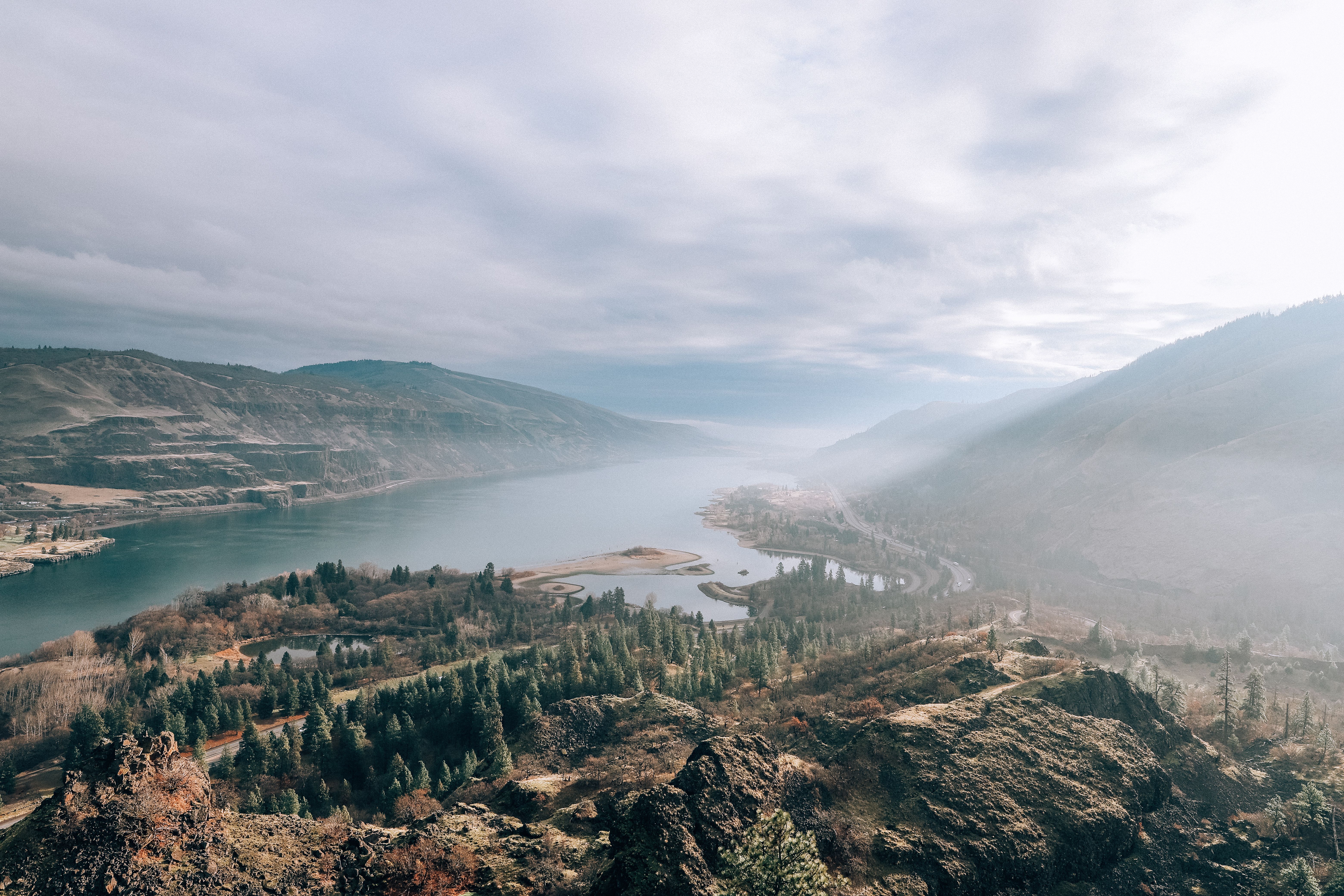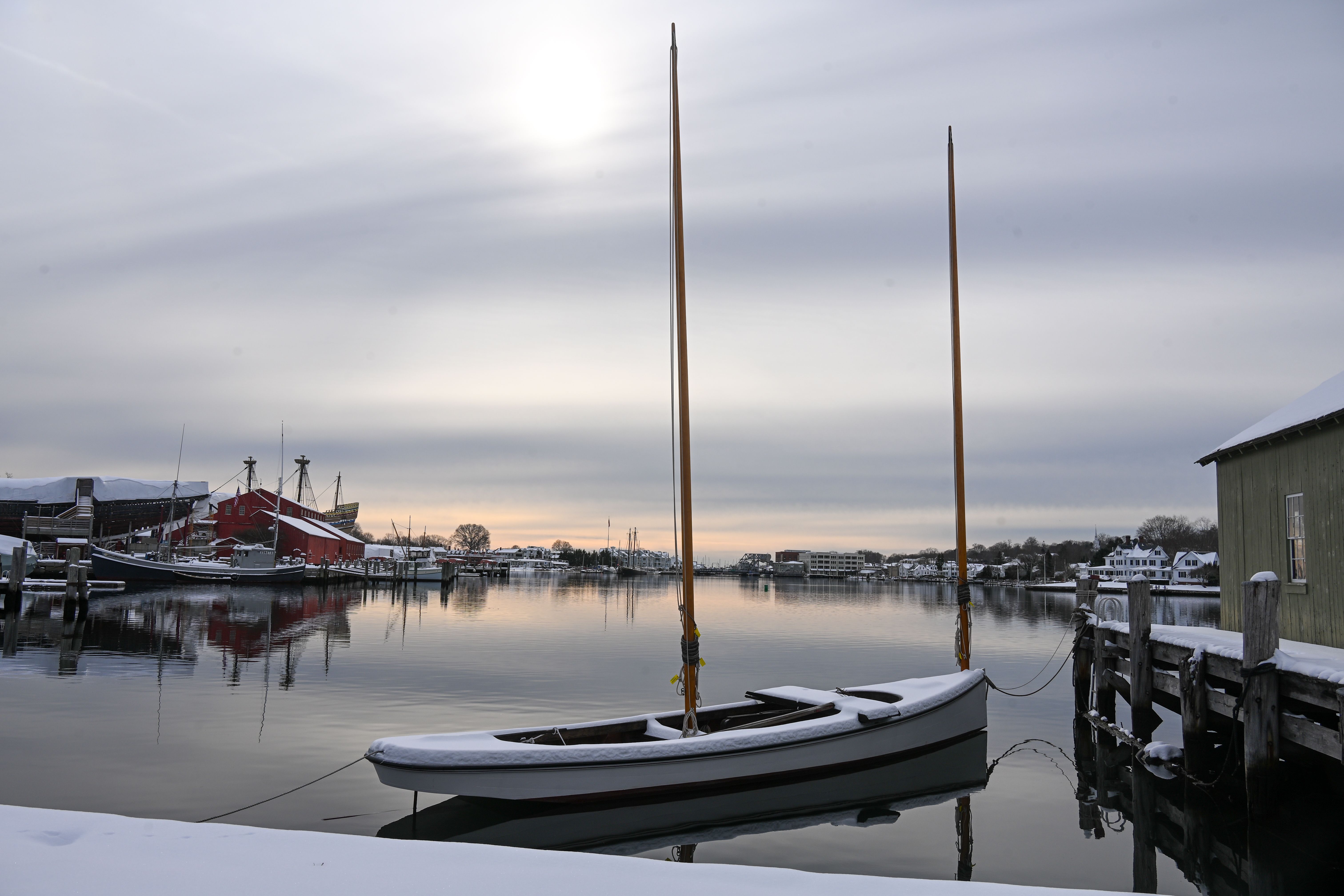
The fog breaks over Stonington harbor just after six, when the lobster boats idle past the granite wharf and the only sound louder than the diesel engines is the clank of traps being stacked on deck. This is coastal Maine the way locals keep it: working, weathered, and utterly indifferent to the cruise ship itineraries that stop forty miles south. The best stretch of the Maine coast doesn't announce itself with outlet malls or harbor shuttle schedules. It reveals itself slowly, one fishing village at a time, to anyone willing to turn off Route 1 and follow the peninsulas to their rocky, salt-sprayed ends.
Mainers will tell you there are two coasts here. One runs from Kittery to Camden, accessible and polished, where summer people have been arriving since the Gilded Age[3]. The other begins where the peninsulas fork south and east, past Rockland, into the working harbors of Penobscot Bay and the granite islands beyond. Both matter. But only one still smells like bait.
The Peninsulas Worth the Drive
Deer Isle, reached by a narrow suspension bridge south of Bucksport, remains what Mount Desert Island used to be before Acadia National Park drew two million visitors a year[2]. Stonington, at the southern tip, built its wealth on granite quarries that supplied the Brooklyn Bridge and the Museum of Natural History. Today the quarries are flooded swimming holes, and the harbor belongs to lobstermen and wooden boat builders. The Clown gallery sells contemporary art. The docks sell live lobster by the pound, no steaming service, no bibs.
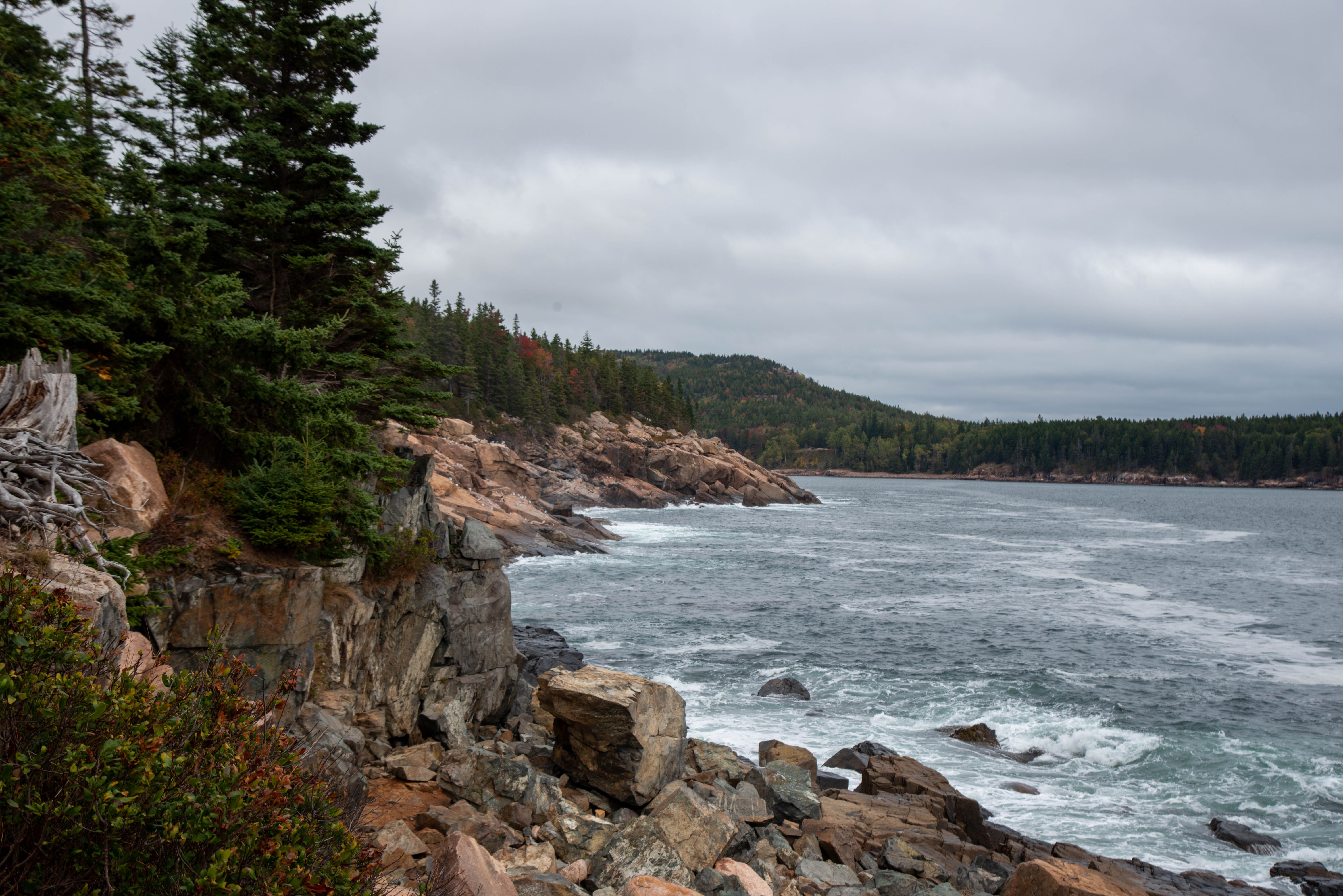
Schoodic Peninsula offers the Acadia experience without the Bar Harbor crowds. The one-way park loop road winds along pink granite ledges where surf crashes in sheets of white during a southeast wind. Prospect Harbor and Corea, neighboring villages just beyond the park boundary, have changed little since the sardine canneries closed. Weathered shingled houses face the water. Lobster boats outnumber yachts ten to one. There are no cafes with chalk menus.
Georgetown Island and Five Islands, an hour north of Portland, deliver the postcard Maine coast in miniature: a general store, a working wharf, a lobster shack with picnic tables facing the tidal basin. Five Islands Lobster Co. has served rolls and steamers since 1950. The view spans five wooded islands. Seals sun themselves on the exposed ledges at low tide.
Timing the Season Like a Mainer
July and August deliver the warmest water and the densest crowds. Locals avoid peak summer in places like Camden and Boothbay Harbor unless they work there. September through early October offers the better bargain: ocean temperatures still swimmable, fog less persistent, lodging rates twenty to thirty percent lower than high season[1]. Foliage arrives mid-October inland, later along the coast. Restaurants start closing after Columbus Day. By November, the coast belongs to the year-rounders again.
Where Locals Eat Lobster
The best lobster comes from shacks that smell like seawater and look like they might blow over in a northeaster. Red's Eats in Wiscasset draws lines that stretch an hour long in July; locals drive past and shake their heads. Instead, try the Lobster Shack at Two Lights in Cape Elizabeth, perched on the rocks below Portland Head Light, where the roll is grilled and the meat is knuckle-heavy. Or head to Milbridge, an hour east of Ellsworth, where 44 Degrees North serves lobster dinners at oilcloth-covered tables and the harbor view includes working wharfs, not sailboats.
The ritual matters as much as the meal. Order at the window. Carry your tray to a picnic table. Crack the claws with a nutcracker that's older than you are. Gulls will watch. Let them. This is not white tablecloth dining, and it's better for it. Many of the state's iconic shacks remain family operations, open mid-May through mid-October, cash or check preferred.
For the full experience, buy live lobsters at a working wharf and steam them yourself. Stonington Co-op, Spruce Head Fishermen's Co-op, and Port Clyde Fresh Catch sell directly off the boat. Prices fluctuate with the catch but typically run lower than retail by a third. Bring a cooler. Ask for seaweed if you plan to steam them traditionally.
Islands You Can Actually Reach
Monhegan Island, ten miles offshore from Port Clyde, operates on its own calendar. The mail boat makes the crossing year-round; summer adds passenger ferries. No cars exist on the island. Seventeen miles of trails cross cathedral forests and emerge onto cliffs where the surf pounds 160 feet below. The island has harbored artists since the 1890s, drawn by the quality of light and the lack of distraction. A dozen studios open to visitors in summer. The Trailing Yew, a rustic inn operating since 1928, serves dinner family-style at long wooden tables.
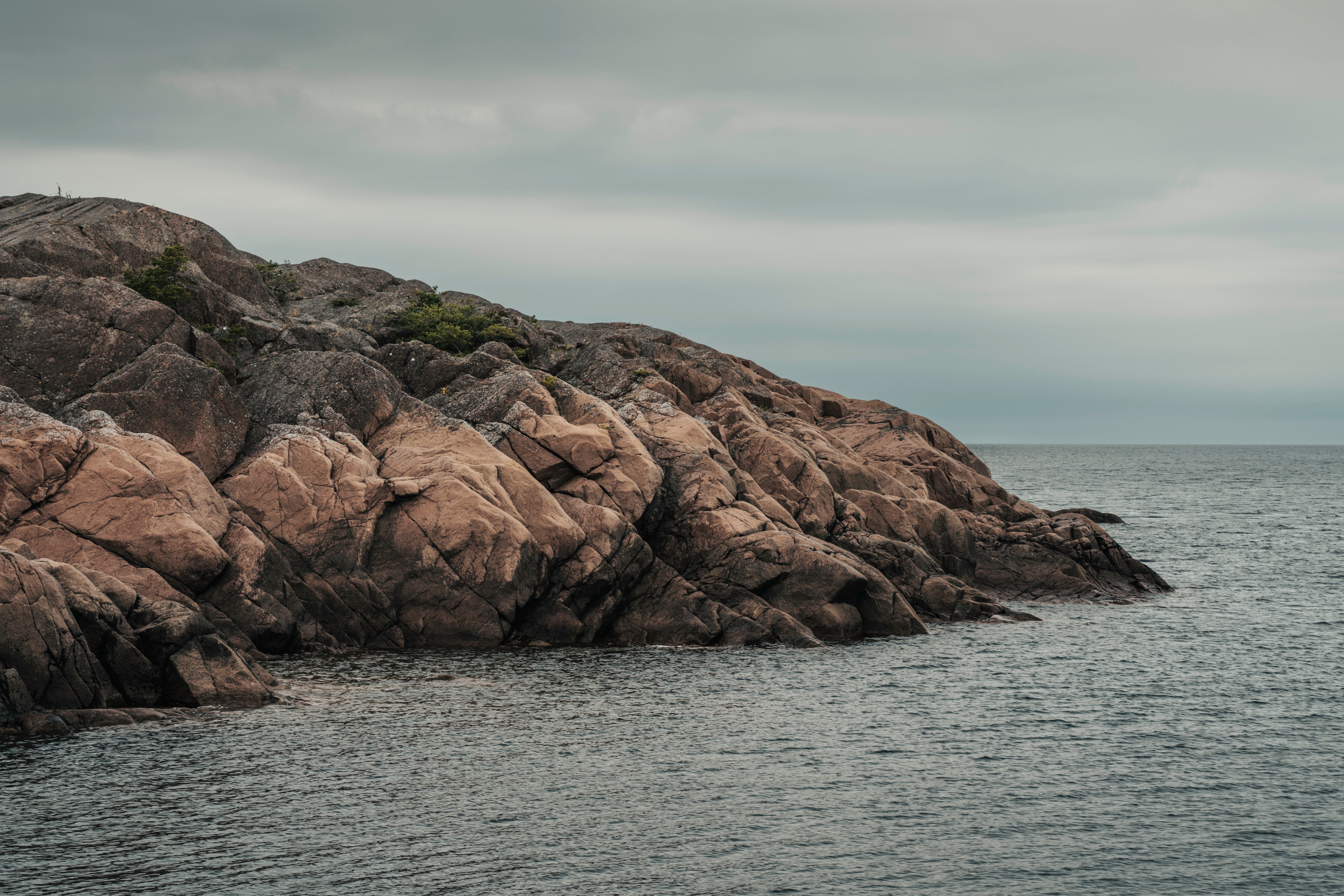
Vinalhaven and North Haven, both accessible by state ferry from Rockland, offer a quieter alternative. Vinalhaven remains a working lobster island; the harbor bustles before dawn and quiets by afternoon. The Basin, a former granite quarry flooded by the sea, offers protected swimming in water so clear you can see twenty feet down. North Haven attracts sailors and summer families who return each year to the same shingled cottages. Both islands allow cars on the ferry, but bicycles suffice for most visitors.
What October Looks Like Here
Autumn arrives differently along the coast than it does inland. The ocean moderates temperatures, delaying peak foliage by two weeks compared to the mountains. By early October, the maples along Route 1 blaze orange and red while the shore remains green. Mid-month brings the convergence: color reaches the peninsulas just as the summer crowds thin and lodging opens up. The quality of light shifts, sharper and lower, the kind photographers wait for. Oyster season peaks in the cold months; many coastal restaurants feature raw bars through Thanksgiving. Expect overnight lows in the forties, daytime highs in the sixties, and the occasional stretch of Indian summer that feels stolen from August.
How to Move Through the Coast Like You Live Here
Rent a car, ideally something compact that can navigate village streets built for horse carts. Public transit exists only in Portland and seasonal island ferries; the rest requires wheels. Download offline maps for the peninsulas. Cell service drops off past Rockland, and coastal roads rarely follow the grid you expect. Plan lodging in advance for July and August. October and June offer flexibility, but the best waterfront inns fill early regardless of season.
Talk to people at the docks, the general stores, the co-ops. Ask where the locals swim, where the best tidal pools hide, which trails see the fewest hikers. Mainers won't volunteer much to strangers who treat the coast like a backdrop, but genuine curiosity earns straight answers. The rhythm of coastal Maine rewards those who slow down enough to notice the details: the way granite weathers in horizontal stripes, the scent of rockweed at low tide, the particular clatter of a wooden lobster trap hitting a deck.
Pack layers even in summer. Mornings start cool and foggy; afternoons can swing fifteen degrees warmer. Bring sturdy shoes for tidal exploration and hiking. If you plan to eat at lobster shacks, carry cash. Many still don't take cards, and ATMs grow sparse east of Ellsworth. Respect private property and working waterfronts. The coast may look picturesque, but it's also someone's livelihood.
What the Coast Looked Like a Century Ago
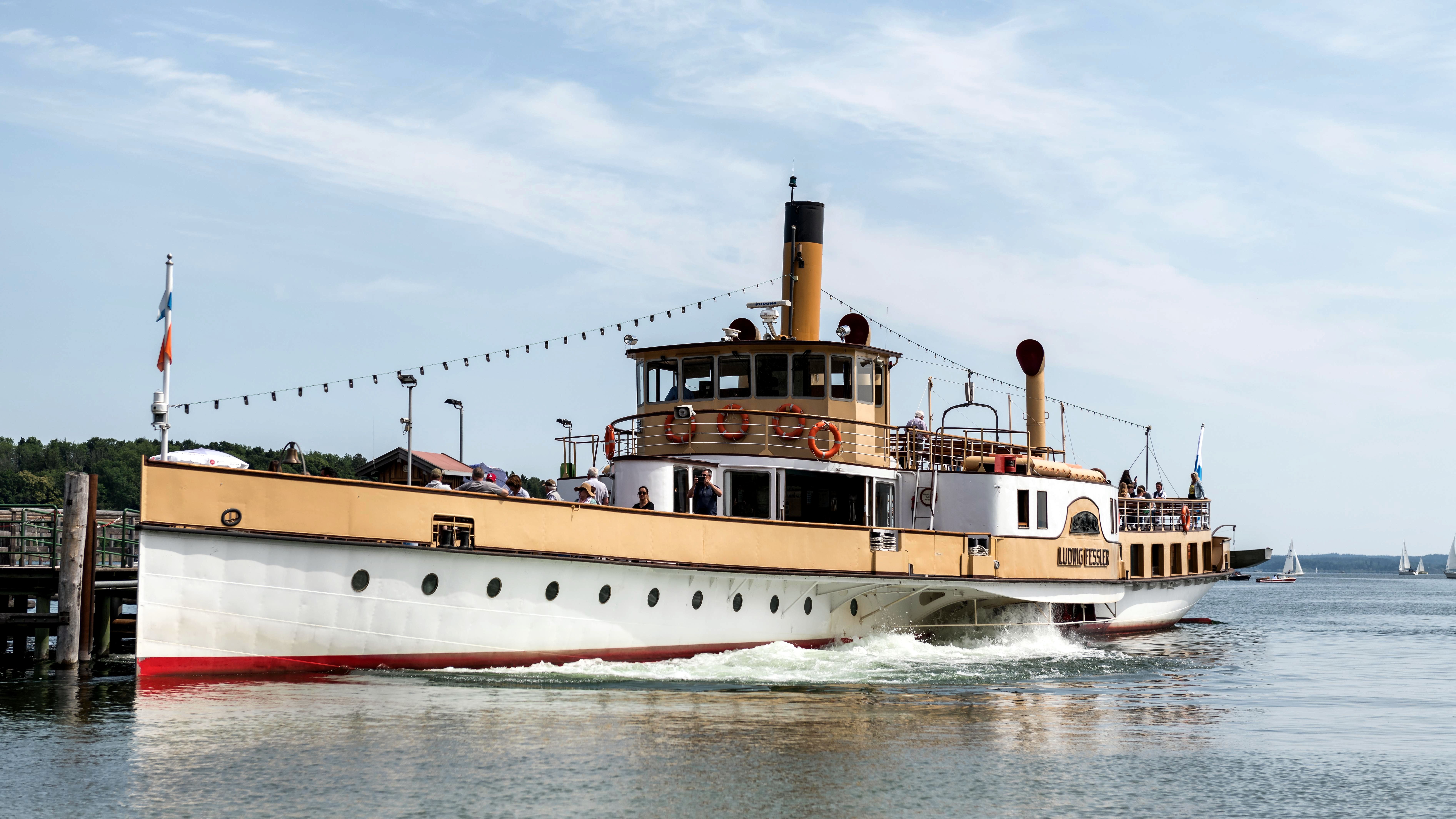
In the 1920s, steamships carried summer visitors from Boston to Bar Harbor, where grand hotels lined the waterfront and concerts played on the village green[3]. Mount Desert Island belonged to Rockefellers and Vanderbilts, who built carriage roads and donated land that would become Acadia. The 1947 fire that destroyed much of Bar Harbor reset the island's trajectory, burning mansions and opening space for the middle-class tourism that defines it today[2]. Stonington and Vinalhaven thrived as granite ports, shipping stone to cities building their skylines. Sardine canneries lined every deepwater harbor from Eastport to Portland, processing herring by the millions.
Most of that industrial coast vanished by the 1970s. What remains exists in the working harbors locals protect fiercely, the same ones worth seeking out today. Coastal Maine endures not because it froze in time, but because enough people refused to let it become only a postcard. Drive the peninsulas now, before the next wave of summer people discovers them, and you'll understand why Mainers guard these places so carefully. The fog will still lift over Stonington at six. The boats will still idle past the wharf. And the coast will still belong, first and always, to the people who work it.
Sources and references
- Maine Office of Tourism
- National Park Service Acadia
- New England historical records
- U.S. DOT Final Rule on automatic refunds