The bus from Mexico City climbs through pine forests and volcanic ridges for six hours before spilling into Oaxaca, where mezcal smoke drifts through cobblestone plazas and Zapotec weavers still card wool by hand in mountain villages. This is the Mexico interior travel that most resort itineraries skip entirely, a landscape of colonial cities, indigenous markets, and pre-Hispanic ruins where the country's cultural depth reveals itself fully. Oaxaca and Guanajuato anchor two of the richest corridors in the Mexican interior, each offering centuries of architecture, living craft traditions, and food scenes that have shaped national identity.
Why Oaxaca Holds the Cultural Center
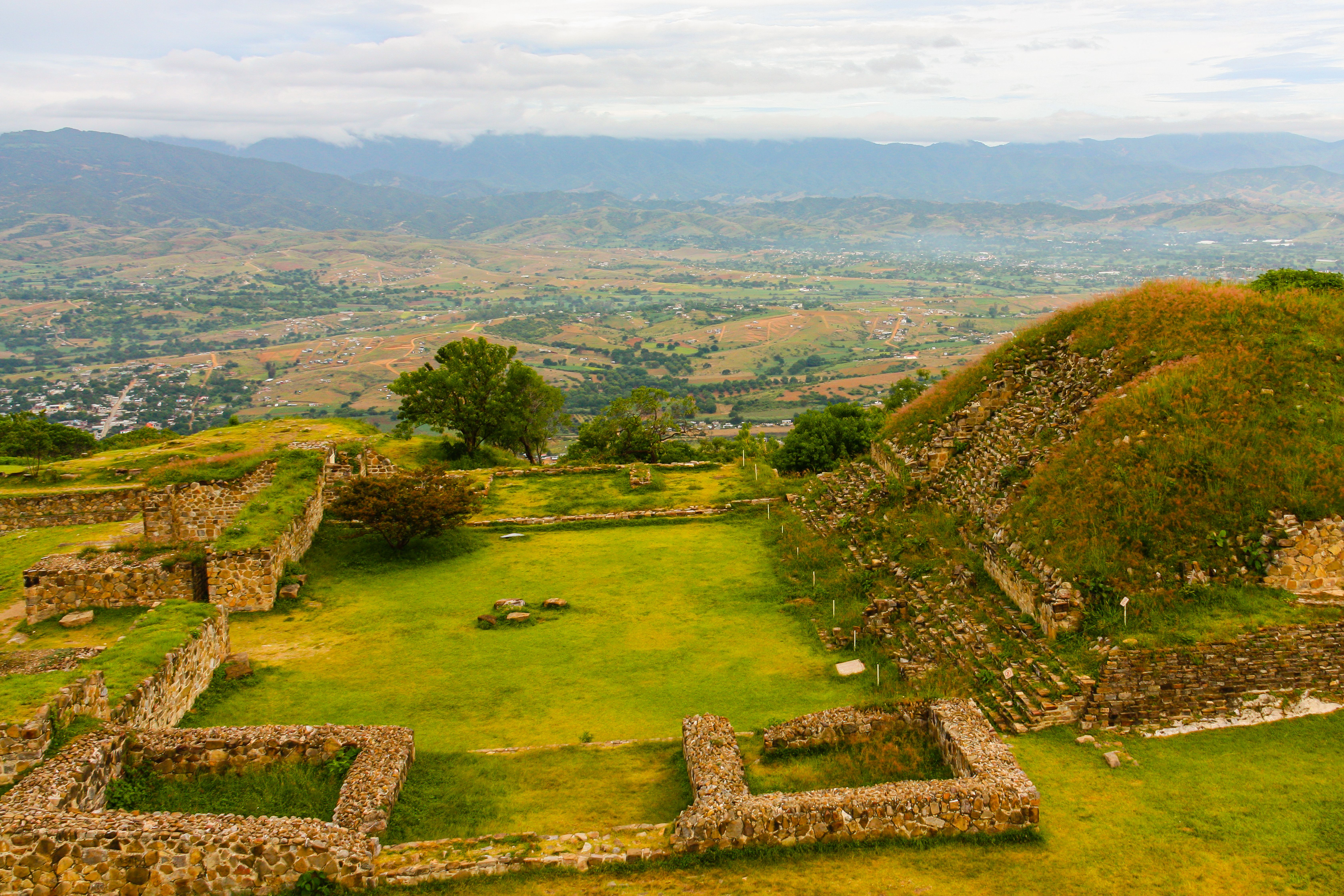
Oaxaca state stretches from the Pacific coast to the Sierra Madre del Sur, but the capital city of Oaxaca de Juárez commands attention for its density of UNESCO-listed sites and its role as the culinary and craft heart of southern Mexico[2]. The Zócalo anchors a grid of Spanish colonial buildings constructed from green cantera stone, and within a ten-minute walk you reach Santo Domingo de Guzmán, a Baroque church complex whose gilded interior took two centuries to complete. The adjacent Museo de las Culturas houses Mixtec gold artifacts from Monte Albán, the hilltop ruins that overlook the valley and date to 500 BCE[3].
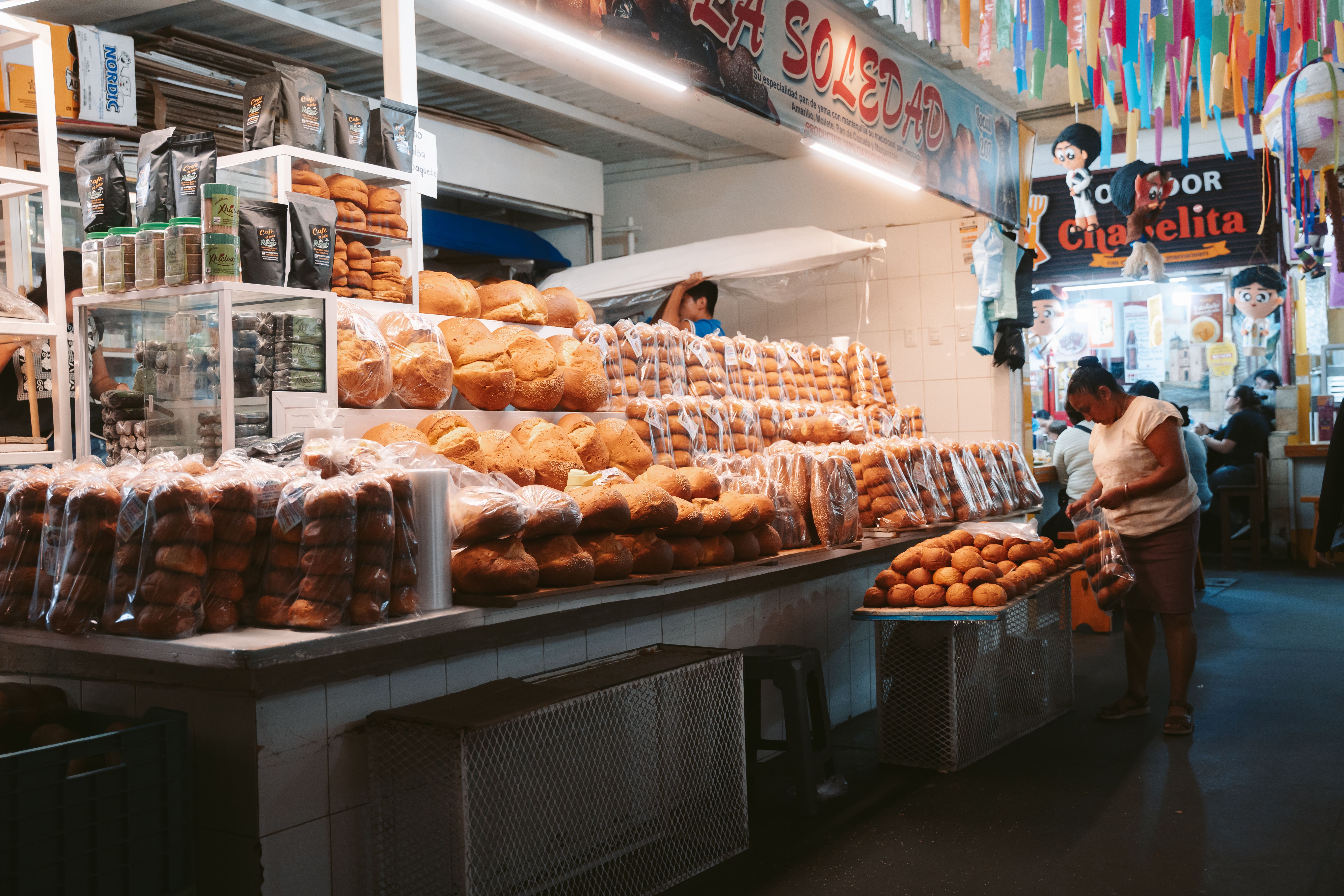
Markets define daily rhythm here. Mercado 20 de Noviembre fills an entire city block with food stalls grilling tasajo and chorizo over open flame, while Mercado Benito Juárez sells black pottery from San Bartolo Coyotepec and embroidered huipils from Teotitlán del Valle. These are working markets, not tourist reconstructions, and they supply households across the city. Day trips extend to the Tule tree, a 2,000-year-old Montezuma cypress with a trunk circumference of 137 feet, and to the mezcal distilleries of Santiago Matatlán, where agave roasts in earthen pits before fermentation in wooden vats.
Guanajuato's Layered Architecture and Mining Legacy
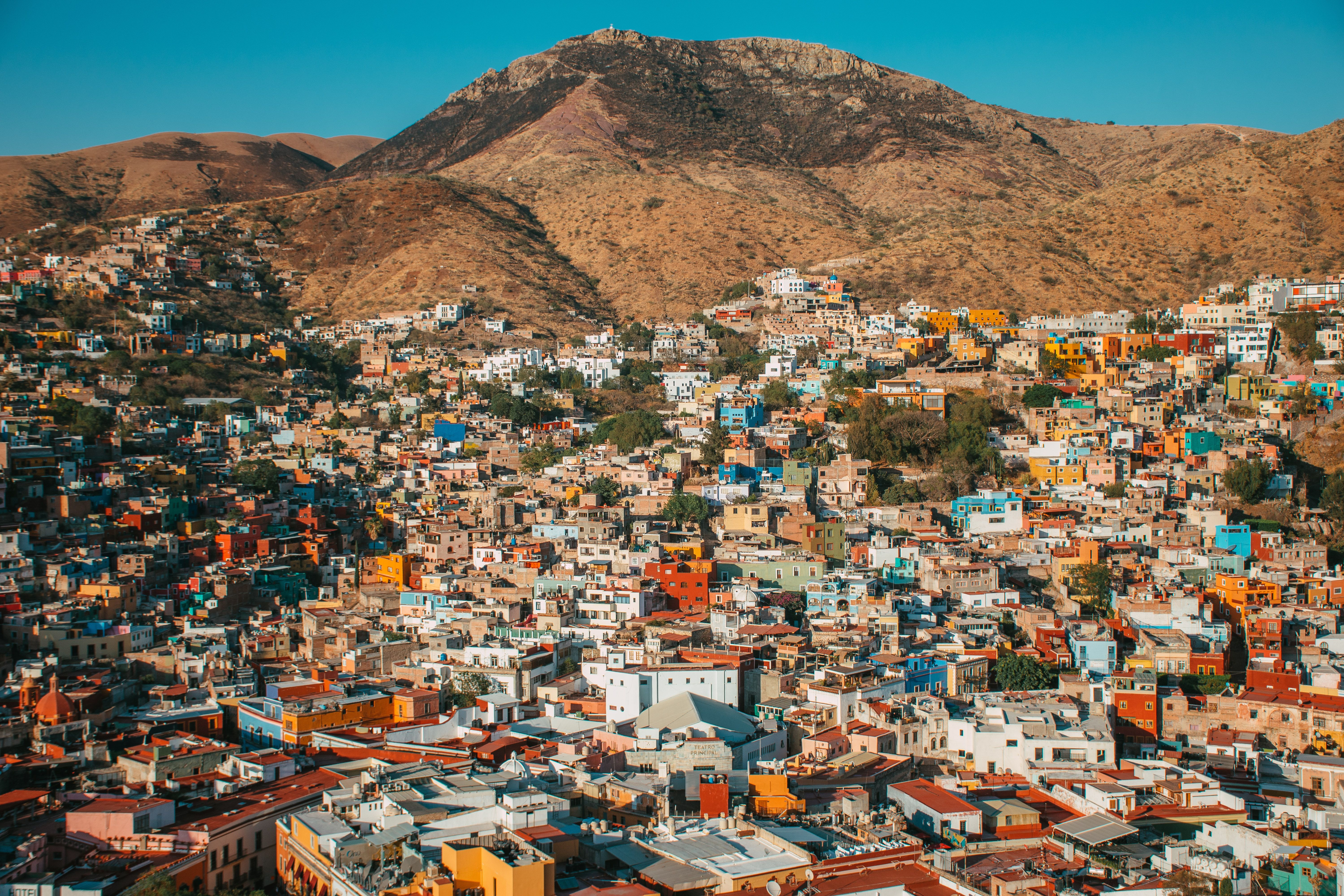
Guanajuato sits five hours northwest of Mexico City in the Bajío highlands, a UNESCO World Heritage city built into a ravine and known for its network of underground streets and pastel-painted houses stacked against hillsides[2]. Silver wealth funded the construction during the colonial period, and the Teatro Juárez and Basílica Colegiata de Nuestra Señora de Guanajuato showcase the Neoclassical and Baroque styles that define the historic center. The Alhóndiga de Granaditas, a former granary turned museum, chronicles the 1810 War of Independence and displays murals by José Chávez Morado.
Tunnels originally dug to divert the Guanajuato River now function as roadways beneath the city, and pedestrians navigate alleyways so narrow that balconies nearly touch across the gap. The Callejón del Beso measures 27 inches wide at its narrowest point. San Miguel de Allende lies 90 minutes east and pairs well as a second colonial stop, though its expatriate population has shifted the character toward galleries and boutique hotels rather than the working-city texture that Guanajuato retains.
The Food Corridors That Define Mexico's Interior
Oaxaca claims seven distinct moles, each built on a base of chiles, spices, and chocolate ground by hand on volcanic stone metates. Mole negro incorporates charred chilhuacles and hoja santa; mole amarillo balances guajillo with cumin and clove. Restaurants like Casa Oaxaca and Origen serve refined versions, but the benchmark remains home kitchens and market comedores where recipes pass through generations unchanged. Tlayudas, the oversized toasted tortillas layered with asiento (unrefined pork lard), black beans, and Oaxacan string cheese, anchor late-night street food, while chapulines (roasted grasshoppers) seasoned with lime and sal de gusano appear as bar snacks throughout the city.
Guanajuato's culinary identity leans on Bajío staples: enchiladas mineras (miner's enchiladas) stuffed with cheese and drenched in guajillo sauce, and gorditas filled with chicharrón or requesón. The state's strawberry crop supplies much of central Mexico, and cajeta, a caramel made from goat's milk, originated in nearby Celaya. For travelers interested in how regional ingredients and techniques shape identity across borders, the patterns here mirror the way Italian food reveals regional identity through hyper-local production and pride.
Planning the Route and Timing Your Visit
The Mexican interior rewards slow movement. A ten-day itinerary might allocate four nights in Oaxaca, three in Guanajuato, and three in San Miguel de Allende or Puebla, using ADO buses or domestic flights to connect the cities. October through April offers the driest weather, with daytime temperatures in the low 70s Fahrenheit and cool evenings at elevation[1]. Oaxaca's Día de los Muertos celebrations (October 31 through November 2) draw visitors for cemetery vigils, altar displays, and pan de muerto sales, but book accommodations months ahead.
Dry season also aligns with harvest cycles for mezcal agave and winter vegetable crops in the valleys. Rainy season (June through September) brings afternoon thunderstorms that clear quickly, lower hotel rates, and greener landscapes, though some unpaved roads to rural craft villages become impassable. Guanajuato's Festival Internacional Cervantino in October transforms the city into a two-week performing arts showcase, while San Miguel de Allende observes its patron saint festival in late September with fireworks and processions.
The Practical Mechanics of Getting Around
Three transport layers operate in the interior:
- Intercity buses: ADO and Estrella de Oro run first-class service with reserved seating, air conditioning, and onboard restrooms between major cities. The Oaxaca to Puebla route takes four hours; Guanajuato to Querétaro runs two and a half hours.
- Colectivos and shared vans: These connect capitals to outlying villages, departing when full rather than on fixed schedules. Useful for reaching Teotitlán del Valle from Oaxaca or Dolores Hidalgo from Guanajuato.
- Walking: Historic centers remain compact. Oaxaca's Zócalo to Monte Albán site museum requires a taxi, but everything within the andador (pedestrian zone) sits within a 15-minute radius.
Domestic flights via Aeroméxico or Volaris link Oaxaca (OAX) and León/Bajío (BJX, serving Guanajuato) to Mexico City, often faster and cheaper than a long bus journey. Renting a car opens access to remote archaeological sites and craft villages, though navigating Guanajuato's subterranean roads without guidance proves challenging even for experienced drivers. For context on how local transit shapes visitor experience, navigating European trains presents similar trade-offs between flexibility and complexity.
Choosing Where to Sleep and What to Pack
Oaxaca and Guanajuato both offer a range of accommodations, from colonial-era hotels with interior courtyards to modern guesthouses run by local families. In Oaxaca, properties within three blocks of Santo Domingo place you in the pedestrian zone with immediate access to galleries, mezcalerías, and morning markets. Casa Oaxaca El Restaurante operates rooms above its dining room; Quinta Real Oaxaca occupies a converted 16th-century convent with stone archways and a central fountain. Budget travelers find clean hostels along Calle de Mariano Abasolo, many with rooftop terraces overlooking the valley.
Guanajuato's hillside topography means steep climbs to most lodging. Hotels near the Jardín de la Unión keep you central but expose you to festival noise and weekend crowds. Casa Estrella de la Valenciana sits above the city in a former hacienda with views across the ravine, quieter but requiring taxi rides for dinner. Pack layers; November through February nights at 6,700 feet drop into the 40s Fahrenheit, while midday sun warms plazas into the 70s. Comfortable walking shoes matter more than fashion here, given the cobblestones and uneven grades. A light rain jacket handles afternoon showers during summer months, and a day pack large enough for market purchases (ceramics, textiles, mezcal bottles) proves useful.
What Gets Lost When You Stay on the Coast
Resort corridors along the Riviera Maya and Puerto Vallarta deliver beach access and convenience, but they operate as enclaves disconnected from the country's deep interior. The trade-off shows clearly in food: Cancún's hotel buffets serve generic Mexican fare calibrated for international palates, while Oaxaca's markets offer produce varieties (25 types of chile, 15 types of corn) that exist nowhere else in the world[3]. Craft traditions survive in the interior because local demand and cultural continuity sustain them, not because they perform for tourists. Weavers in Teotitlán still use natural dyes from cochineal insects and indigo plants; silversmiths in Taxco shape pieces using pre-Columbian lost-wax techniques.
The architectural and historical layers concentrate inland as well. Monte Albán predates Teotihuacan; Guanajuato's mining tunnels and independence sites anchor national origin stories that beach resorts reference only in name. Travelers seeking substance beyond relaxation find it here, where daily life and cultural production remain visible and unfiltered. For a parallel examination of how landscape shapes visitor experience, the Scottish Highlands travel guide explores similar questions of depth versus accessibility.
The bus back to Mexico City retraces the same mountain route, but the view shifts after a week spent walking markets, tasting moles, and watching silversmiths work. The interior offers what the coast cannot: proximity to the processes and people that built modern Mexico, still unfolding in real time.
Frequently asked questions
What is there to see in Mexico beyond the resorts?
{"question":"What is there to see in Mexico beyond the resorts?","answer":"Mexico's interior offers colonial architecture, indigenous cultures, world-class museums, and authentic culinary traditions that rival any coastal destination. From pre-Columbian ruins and vibrant markets to mountain landscapes and artisan crafts, the heartland reveals the country's true cultural and historical depth."}
Why visit Oaxaca and Guanajuato?
{"question":"Why visit Oaxaca and Guanajuato?","answer":"Oaxaca is renowned for its indigenous heritage, exceptional cuisine, colorful markets, and artisan traditions, while Guanajuato captivates with its dramatic hillside colonial architecture, underground streets, and rich silver-mining history. Both destinations offer authentic cultural experiences and artistic vibrancy that define Mexico's soul."}
How do you travel the Mexican interior well?
{"question":"How do you travel the Mexican interior well?","answer":"Base yourself in one or two cities for 3-4 days to truly absorb local culture, hire local guides for deeper insights, use intercity buses or domestic flights rather than car rentals, and prioritize markets, cooking classes, and neighborhood walks over typical tourist activities. Staying in locally-owned boutique hotels and eating where locals gather will yield the most rewarding experiences."}
When is the best time to visit central Mexico?
{"question":"When is the best time to visit central Mexico?","answer":"October through April offers the best weather—warm days, cool nights, and minimal rainfall—while avoiding the intense summer heat and rainy season. December through January sees larger crowds due to holidays, so shoulder months like October-November or March-April provide ideal conditions with fewer tourists."}
Sources and references
- Mexico Secretariat of Tourism
- UNESCO World Heritage Centre Mexico
- INAH National Institute of Anthropology and History
- U.S. DOT Final Rule on automatic refunds