The most sophisticated India travel guide you'll encounter won't begin with spirituality, chaos, or transformation. It will begin with a number: India receives fewer annual international visitors than Thailand, despite having 24 times its land area, 27 UNESCO World Heritage Sites to Thailand's 6, and a cultural continuity stretching back four millennia[1]. The gap isn't explained by infrastructure, safety, or value. It's explained by representation, or more precisely, the lack of it.
Travel media has written about India in exactly two registers: either through the gauze of spiritual tourism (ashrams, "finding yourself," Eat Pray Love derivatives) or through shock journalism (poverty, crowds, illness). Both approaches treat India as a backdrop for Western narrative rather than a destination with the same range and sophistication found in France or Japan. The result is a systematically underwritten country where extraordinary travel experiences go undocumented in mainstream publications.
This matters beyond fairness. It means travelers miss one of the world's most layered destinations, and that planning tools and protections remain underdeveloped compared to European equivalents. India offers premium travel infrastructure, extraordinary regional diversity, and remarkable value at every tier. What it lacks is proportional, grounded editorial coverage.
Is India Worth Visiting?
The question itself reveals the problem. No serious publication runs "Is France Worth Visiting?" as a recurring editorial angle. Yet India, home to 1.4 billion people, the world's fifth-largest economy, and cultural production spanning 5,000 years, gets interrogated on basic viability in a way reserved for frontier destinations.
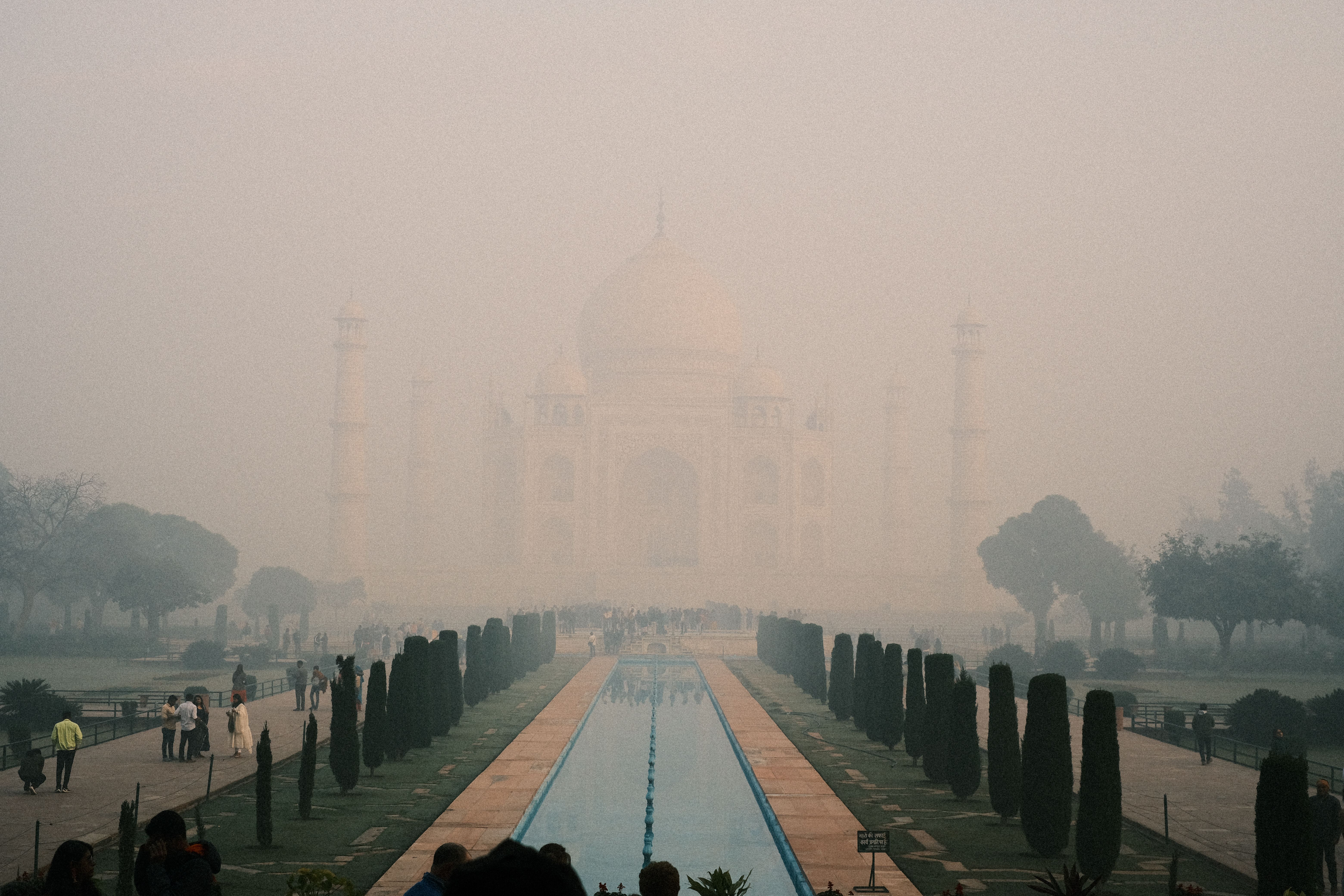
The empirical answer: India contains 8 percent of the world's biodiversity across 15 distinct biogeographic zones, from alpine Himalayan valleys to tropical Kerala backwaters[2]. It has 42 UNESCO World Heritage Sites, more than all but Italy and China[3]. Its classical music traditions, textile production, architectural heritage, and culinary range match any nation on earth. The Mughal gardens of Kashmir, the Art Deco districts of Mumbai, the French colonial architecture of Pondicherry, the living root bridges of Meghalaya, these aren't curiosities. They're significant cultural sites that happen to exist outside the standard Euro-American travel circuit.
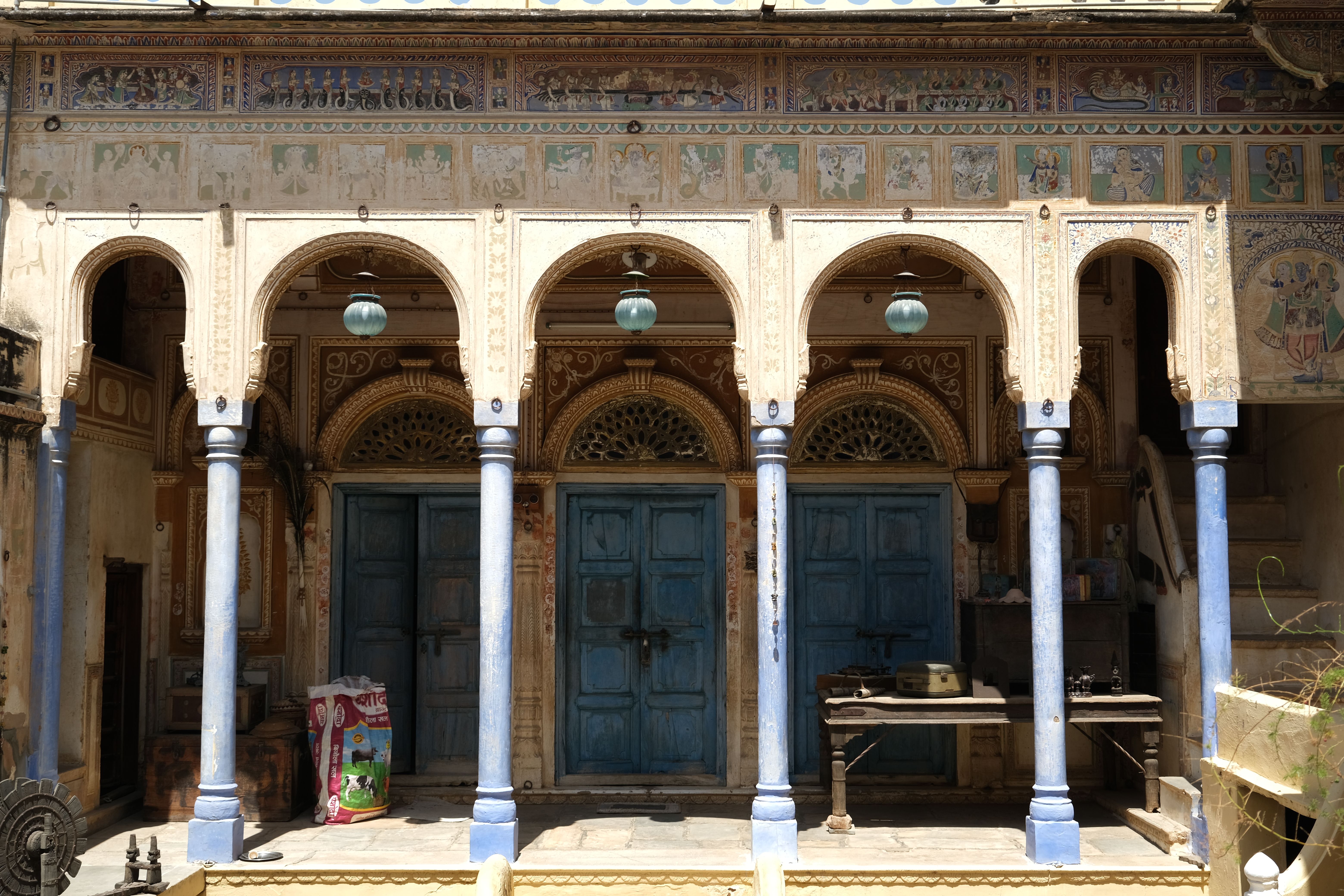
India also offers something increasingly rare in global travel: regional diversity that requires genuine geographic literacy. Rajasthan is not Kerala. Ladakh is not Goa. The painted havelis of Shekhawati have nothing in common with the tea estates of Darjeeling. This isn't "off the beaten path" rhetoric, it's straightforward geography. India is a subcontinent, not a country in the Portugal-sized sense that most travel guides assume.
For travelers who value craft, history, textiles, architecture, classical arts, and culinary depth, India isn't worth visiting. It's essential. The underwriting isn't a reflection of what's there. It's a reflection of editorial convention.
When Is the Best Time to Travel to India?
There is no single answer, which is precisely the point. India spans 13.5 degrees of latitude, roughly the distance from Montreal to Panama City. Asking about "the best time to visit India" is like asking about the best time to visit North America.
October Through March: The Default Window
For most first-time visitors focusing on the Golden Triangle (Delhi, Agra, Jaipur), Rajasthan, or central and southern regions, October through March offers moderate temperatures and minimal rainfall. Humidity drops significantly after monsoon season ends in September, and daytime highs in Rajasthan hover between 68°F and 86°F[4]. This is peak season, meaning higher accommodation costs and fuller heritage sites, but infrastructure functions at full capacity.
December and January bring excellent conditions for Kerala, Goa, and Tamil Nadu. Beach weather is consistent, and the backwaters of Alleppey operate under clear skies. This is also the window for wildlife viewing in parks like Ranthambore and Bandhavgarh, when reduced foliage increases tiger sightings.
April Through June: Himalayan and Hill Station Season
While the plains bake under pre-monsoon heat, the Himalayan foothills and northeastern states become accessible. Ladakh opens for road travel in late May. Sikkim, Himachal Pradesh, and Uttarakhand offer alpine trekking and moderate temperatures. The hill stations, Shimla, Mussoorie, Ooty, Munnar, were designed as hot-season retreats and function as intended during these months.
This is also mango season, a culinary event as significant in India as white truffle season in Piedmont. Regional varieties appear in markets between April and June, and restaurants build menus around them.
July Through September: Monsoon and Festival Season
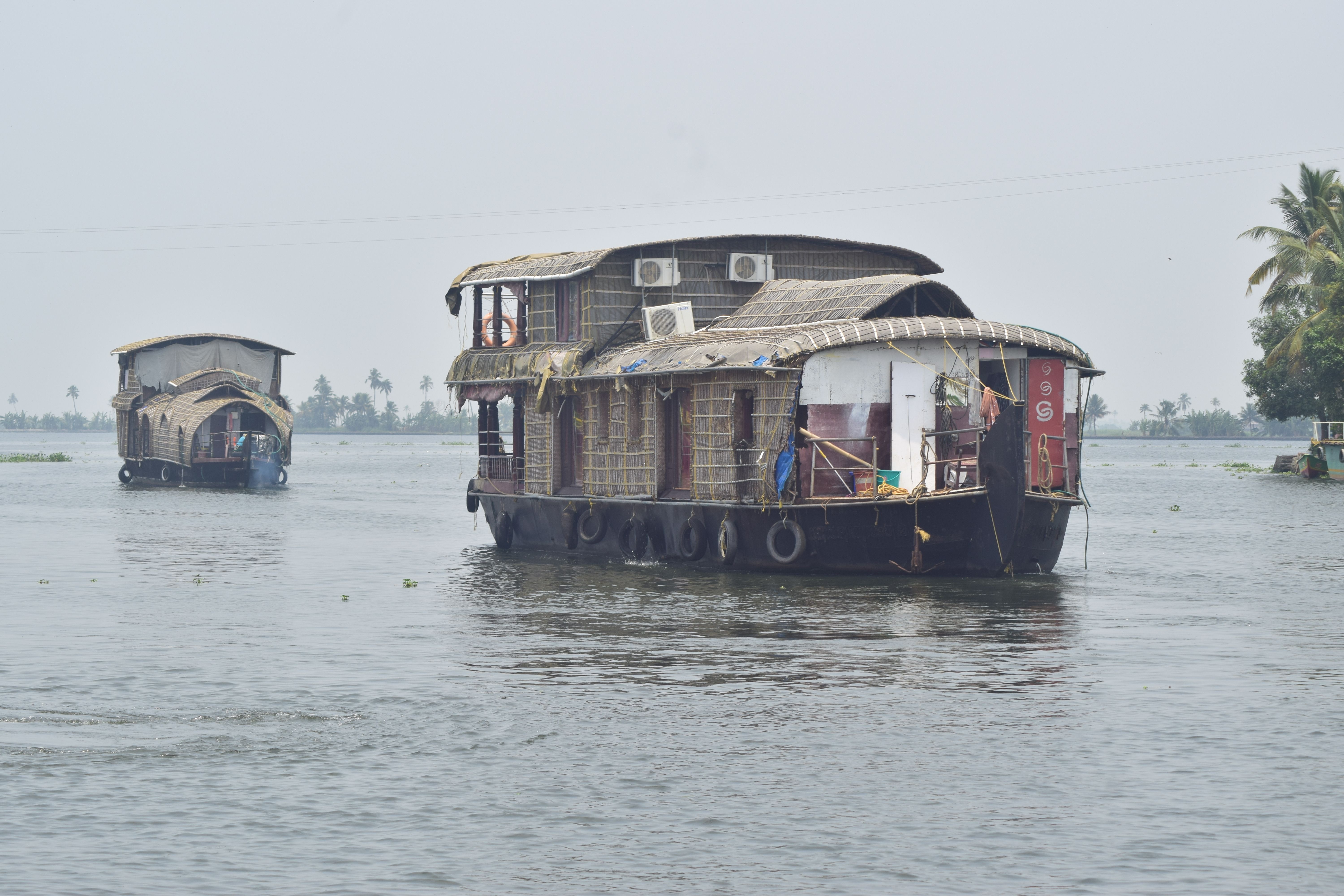
Monsoon isn't a deterrent, it's a specific type of travel. Kerala during the rains is lush, cooler, and far less crowded. Ayurvedic resorts offer significant discounts, and the backwaters take on an entirely different character. Udaipur, Jaipur, and the Rajasthani cities become verdant in a way they never are during the dry season. This is also when many regional festivals occur, including Onam in Kerala and Ganesh Chaturthi in Maharashtra.
The trade-off: expect rain delays, particularly for domestic flight schedules, and some rural roads become impassable. Coastal areas like Goa largely shut down.
Is India Safe for Tourists?
The U.S. State Department assigns India a Level 2 travel advisory ("Exercise Increased Caution"), the same designation given to France, Germany, the United Kingdom, and Italy[5]. Border regions with Pakistan (Jammu and Kashmir) and some northeastern states receive higher caution levels, but these are geographically specific and well-documented. The majority of tourist circuits carry the same baseline advisory level as Western Europe.
That equivalence rarely appears in travel discourse, where India is often framed as requiring special courage or resilience. The actual risk profile for tourists in Delhi, Jaipur, Mumbai, or Kochi is comparable to major cities worldwide: petty theft and scams occur, violent crime against tourists is statistically rare, and standard urban precautions apply.
Women traveling solo face specific challenges, and these deserve frank discussion. Harassment occurs, particularly in crowded public spaces and on public transport. Many experienced travelers recommend using women-only train cars, arranging pre-booked transport, and staying in reputable accommodations with strong reviews from other solo female travelers. These are not trivial concerns, but they're also context-specific, Kerala, Himachal Pradesh, and parts of Rajasthan have far better track records than certain neighborhoods of Delhi or Uttar Pradesh.
Health precautions are standard for South Asia: vaccinations for hepatitis A, typhoid, and routine boosters; bottled water; and awareness of food hygiene. Travel insurance with medical evacuation coverage is prudent, as it is for any international travel. Knowing how to navigate a denied insurance claim before departure can save significant time if medical issues arise.
What Should First-Time Visitors to India Know?
India is not a beginners' destination in the sense that Portugal is a beginners' destination, but neither is Japan, and no one uses that as a disqualifier. What India requires is research, reasonable expectations, and a willingness to meet infrastructure on its own terms.
Plan More Time and Fewer Places
The most common mistake is geographic overreach. A 10-day itinerary that includes Rajasthan, Kerala, and Varanasi sounds efficient on a map. In practice, it means spending 30 percent of the trip in airports and trains. India rewards depth over breadth. One week in Rajasthan, Jaipur, Udaipur, Jodhpur, and Pushkar, offers more than a whistle-stop tour of four states.
Domestic flights are reliable and inexpensive, but flight delay protections differ from U.S. and European standards. Build buffer days around critical connections, and understand that a 90-minute delay on a domestic sector is routine, not catastrophic.
Accommodation Spans Every Tier
India has luxury infrastructure that rivals anywhere in the world. Heritage palace hotels in Rajasthan (Taj Lake Palace, Umaid Bhawan, Rambagh Palace), boutique properties in Kerala (Kumarakom Lake Resort, Niraamaya Retreats), and design-forward city hotels in Mumbai and Delhi (The Oberoi, Taj Mahal Palace) offer world-class service at prices often 40 to 60 percent below European equivalents.
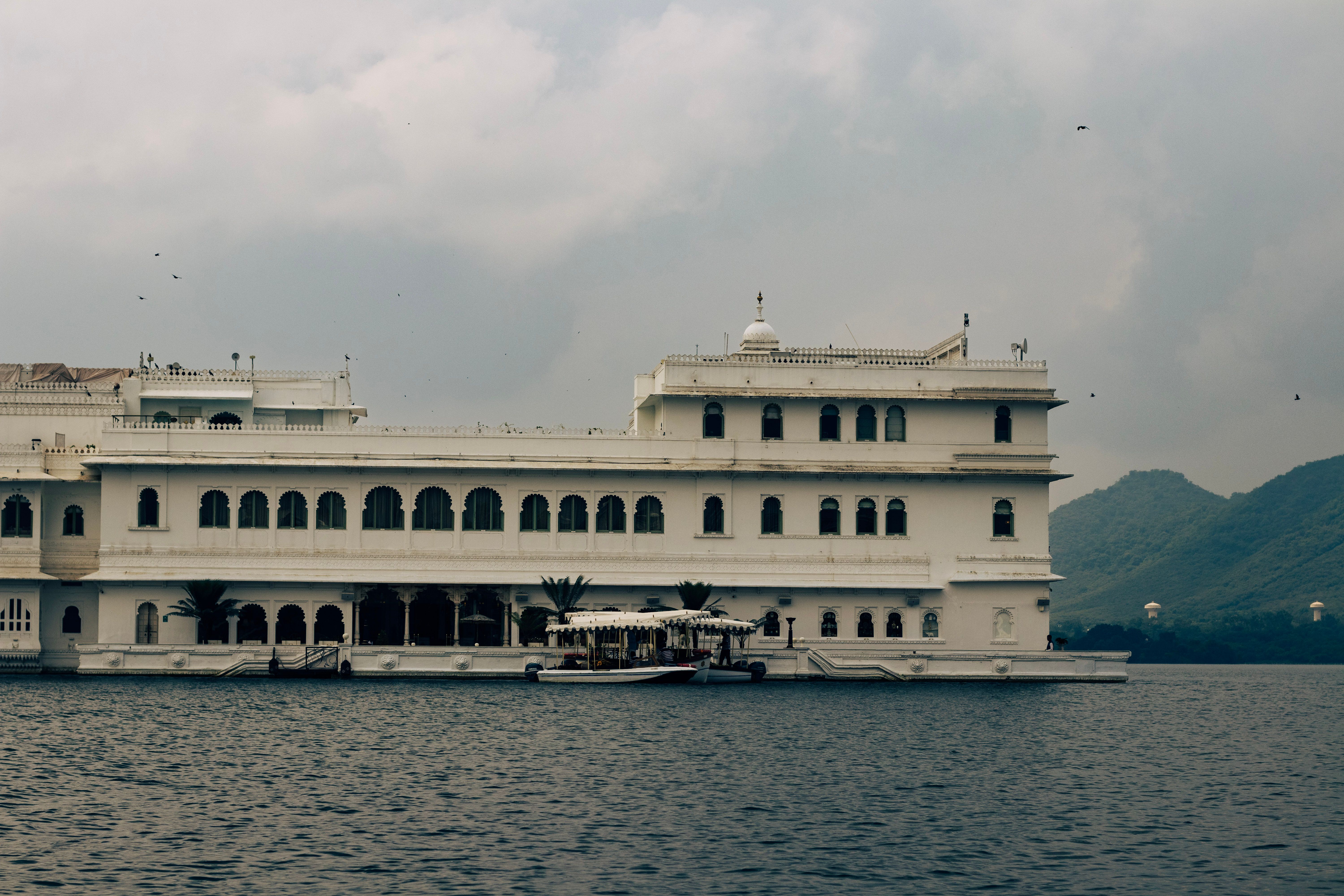
Mid-tier and budget accommodation is widely available but requires more vetting. Properties that look identical online can differ dramatically in maintenance and management. Recent reviews from travelers with similar standards are the best filter. Hotel overbooking and billing disputes occur, and knowing your recourse beforehand prevents frustration.
Hiring Drivers and Guides Changes the Experience
Self-driving is legally possible but logistically punishing for most visitors. Road conventions differ, signage is inconsistent, and navigation apps struggle in rural areas. Hiring a driver with a well-maintained car costs $40 to $80 per day depending on region and vehicle type, and transforms the experience from stressful to seamless. This isn't concierge-level luxury, it's standard practice for both domestic and international travelers.
Similarly, hiring licensed guides at major heritage sites (Taj Mahal, Amber Fort, Hampi, Khajuraho) provides context that static plaques cannot. Rates are regulated by the Ministry of Tourism and typically run $15 to $30 for a half-day.
Cultural Norms and Dress Codes
India is religiously and culturally diverse, and dress codes vary by region and venue. In general, covering shoulders and knees is expected at temples, mosques, and rural areas. Many religious sites require shoe removal. Women often find that wearing a dupatta (scarf) or carrying a pashmina reduces unwanted attention and provides flexibility for temple visits.
Photography restrictions exist at certain heritage sites and all active places of worship. Asking permission before photographing individuals is standard courtesy, not bureaucratic nicety.
How Much Does a Trip to India Cost?
India offers one of the widest cost ranges of any major destination. A couple can travel comfortably on $100 per day (mid-tier hotels, private car, restaurant meals) or spend $1,500 per day (palace hotels, private guides, curated experiences) and both will find full infrastructure.
Sample Budget for a 10-Day Trip
Budget tier ($1,000-$1,500 per person): Guesthouse accommodation ($20-$40/night), public or shared transport, street food and casual restaurants, entry fees, and occasional guided tours. Entirely feasible for independent travelers comfortable with minimal amenities and flexible logistics.
Mid-range tier ($2,500-$4,000 per person): Three-star hotels or boutique guesthouses ($60-$120/night), hired car with driver, restaurant meals, guided tours at major sites, and domestic flights for long distances. This is the comfort threshold for most first-time visitors and allows for spontaneity without constant budget management.
Luxury tier ($6,000-$12,000+ per person): Heritage palace hotels, private guides, curated experiences (cooking classes, textile workshops, private museum tours), premium domestic flights, and high-end dining. India's luxury hospitality is world-class and underpriced compared to Europe, making this tier accessible to travelers who would typically book mid-range elsewhere.
Domestic flights between major cities (Delhi-Jaipur, Mumbai-Goa, Delhi-Varanasi) range from $40 to $150 depending on booking lead time. Trains offer excellent value and overnight sleeper options, AC first-class tickets rarely exceed $50, and provide a genuine cultural experience along with functional transport.
If disruptions occur, delayed or lost baggage, cancelled domestic flights, or accommodation issues, understanding how to recover costs through claims processes can offset unexpected expenses.
Why India Deserves Better Coverage
The underwriting of India isn't accidental. It reflects structural editorial habits: the reliance on "exotic" framing, the assumption that Western readers need extremes (either transcendence or catastrophe) to justify coverage, and the economic reality that European and Caribbean destinations generate more affiliate revenue and reader familiarity.
But editorial convention isn't destiny. India has better domestic tourism infrastructure than most of Europe, a hospitality sector that employs millions and operates at international standards, and cultural depth that rewards repeat visits over decades. The Ajanta and Ellora caves, the stepwells of Gujarat, the colonial architecture of Calcutta, the Pallava temples of Mahabalipuram, the wildlife corridors of Madhya Pradesh, these aren't secondary sites. They're primary-tier destinations that happen to exist outside the established circuit.
Travel intelligence means recognizing when a destination has been systematically underrepresented, and adjusting accordingly. India is not harder to travel than Japan. It's not more dangerous than France. It's not less sophisticated than Italy. It's simply less written about in proportion to what it offers. The correction is overdue.
Frequently asked questions
Is India worth visiting?
Yes, without qualification. India contains 8 percent of the world's biodiversity, 42 UNESCO World Heritage Sites (more than all but Italy and China), and cultural continuity spanning 5,000 years. It offers regional diversity requiring genuine geographic literacy: Rajasthan differs entirely from Kerala, Ladakh from Goa. The Mughal gardens of Kashmir, Mumbai's Art Deco districts, Pondicherry's French colonial architecture, and Meghalaya's living root bridges are significant cultural sites, not curiosities. For travelers valuing craft, history, textiles, architecture, classical arts, and culinary depth, India isn't just worth visiting. It's essential. The country is systematically underwritten in travel media, but that reflects editorial convention, not what's actually there.
When is the best time to travel to India?
There's no single answer. India spans 13.5 degrees of latitude, roughly Montreal to Panama City. October through March suits the Golden Triangle, Rajasthan, and southern regions, with temperatures between 68°F and 86°F and minimal rainfall. December and January are ideal for Kerala, Goa, and wildlife parks like Ranthambore. April through June opens the Himalayas and hill stations when plains heat up. July through September brings monsoon: Kerala becomes lush and less crowded, Rajasthan turns verdant, and Ayurvedic resorts offer steep discounts. The trade-off is rain delays and some impassable rural roads. Coastal Goa largely shuts down during monsoon.
Is India safe for tourists?
Yes, with standard urban precautions. The U.S. State Department assigns India Level 2 advisory (Exercise Increased Caution), identical to France, Germany, the UK, and Italy. Border regions receive higher caution levels, but tourist circuits in Delhi, Jaipur, Mumbai, and Kochi carry comparable risk to major cities worldwide: petty theft and scams occur, violent crime against tourists is rare. Solo women face specific challenges, particularly harassment in crowded spaces. Many use women-only train cars, pre-booked transport, and reputable accommodations. Kerala, Himachal Pradesh, and parts of Rajasthan have better track records than certain Delhi or Uttar Pradesh areas. Standard vaccinations and bottled water protocols apply.
What should first-time visitors to India know?
Plan more time in fewer places. A 10-day trip covering Rajasthan, Kerala, and Varanasi means 30 percent of time in transit. One week in Rajasthan (Jaipur, Udaipur, Jodhpur, Pushkar) offers more. Hiring a driver costs $40 to $80 daily and transforms logistics from stressful to seamless; self-driving is punishing. Licensed guides at major sites run $15 to $30 for half-days and provide essential context. Cover shoulders and knees at temples and rural areas; many sites require shoe removal. Build buffer days around connections, as 90-minute domestic flight delays are routine. Accommodation ranges from world-class palace hotels to budget guesthouses, but mid-tier properties require careful review vetting.
How much does a trip to India cost?
India spans extreme cost ranges. Budget tier runs $1,000 to $1,500 per person for 10 days: guesthouses at $20 to $40 nightly, public transport, street food, and occasional tours. Mid-range costs $2,500 to $4,000: three-star hotels ($60 to $120 nightly), hired car with driver, restaurant meals, guided tours, and domestic flights. This suits most first-time visitors. Luxury tier reaches $6,000 to $12,000-plus: palace hotels, private guides, curated experiences like cooking classes, and premium flights. India's luxury hospitality is world-class and underpriced versus Europe. Domestic flights between major cities cost $40 to $150; AC first-class train tickets rarely exceed $50.
Sources and references
- Indian Ministry of Tourism statistics
- UNESCO heritage site listings
- Indian Express travel reporting
- U.S. State Department travel advisories
- U.S. DOT Final Rule on automatic refunds