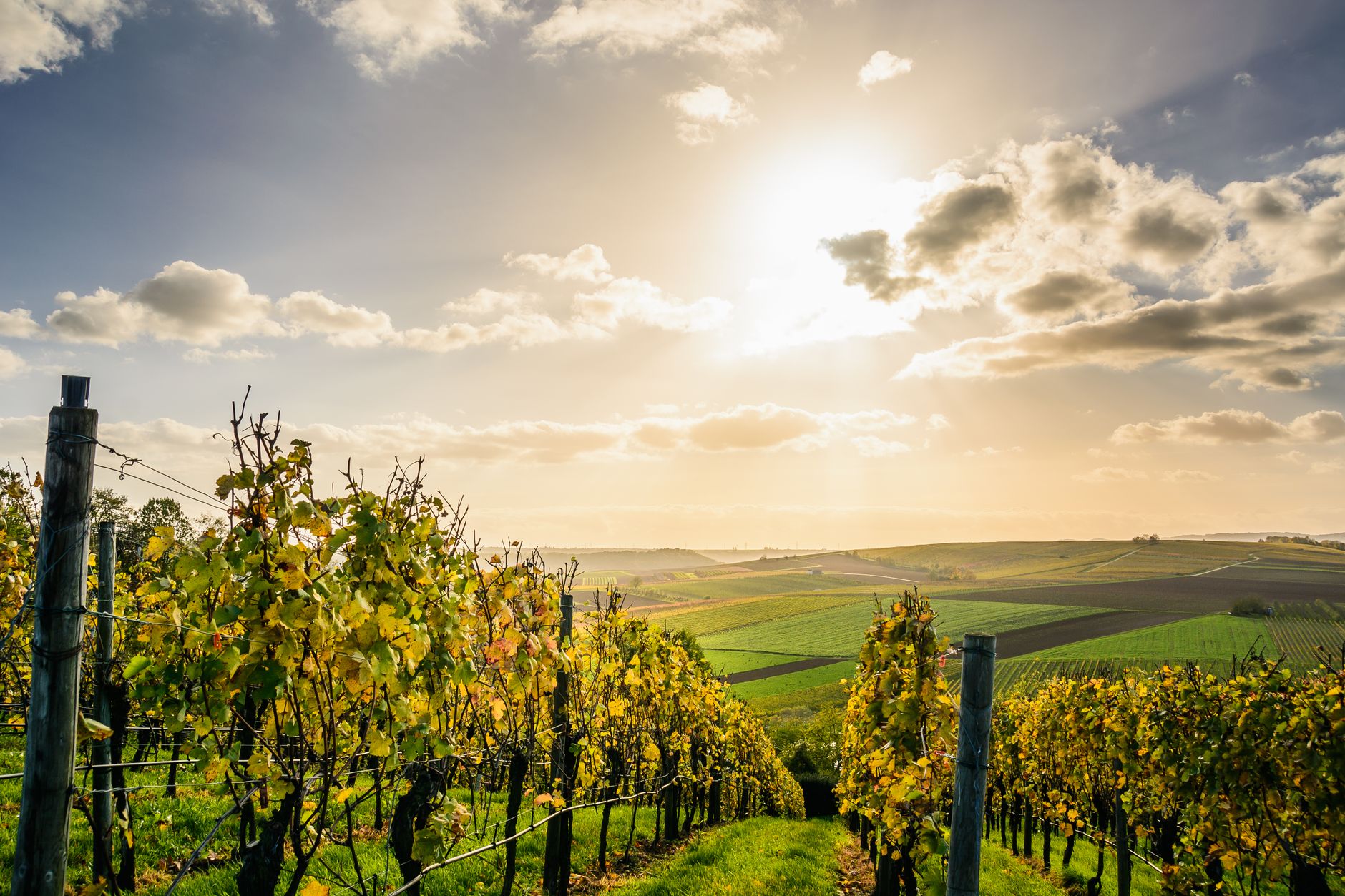
The cellars are cool and quiet. A winemaker whose family has worked the same volcanic hillside for four generations pours something unfiltered and slightly cloudy into a clay cup, and what you taste is not polished for export. It is the actual place: the mineral snap of the soil, the grip of a grape variety you cannot pronounce yet, the faint smoke of a tradition that never had a reason to perform for tourists. These are the undiscovered wine regions that serious wine travelers are beginning to seek out, the ones where the conversation happens in broken Italian or halting Georgian and the tasting room is someone's kitchen.
The Regions Worth the Journey
Georgia, the country at the crossroads of Eastern Europe and Western Asia, may be the most important wine story no one in the mainstream is telling. Winemaking here predates French viticulture by thousands of years. In the Kakheti valley, where the Alazani River cuts through amber-lit plains beneath the Caucasus, families still ferment whole-grape must, skins and seeds and stems together, in buried clay vessels called qvevri. The result is amber wine with a structure and tannin grip that feels ancient because it is. Tbilisi's old town, with its sulfur-bath district and carved wooden balconies, gives you the culture; Kakheti gives you the wine that explains the culture.
Portugal beyond the Douro is another place to reconsider entirely. The Bairrada region, pressed between the Atlantic coast and the limestone serra to the east, produces Baga, a grape so tannic and acidic in youth that most export markets gave up on it. Patient visitors who find the small family quintas tucked into eucalyptus forest discover something that rewards attention: wines that smell of iron and dark cherry, that need a plate of leitão, the region's suckling pig, to resolve fully. The food and the wine are inseparable here in a way that tourist-facing wine regions stopped being decades ago.
What Makes an Emerging Region Worth Your Time?
The answer is not just price, though in these places you will often drink better for less than you expect. Notably, the answer is access. In the Jura, France's smallest and most eccentric wine appellation, tucked along the border with Switzerland, you can still knock on the door of a producer making ouillé Chardonnay and oxidative Savagnin in the same village and have both explained to you by the person who made them. That conversation is what Burgundy sold off decades ago.
Proximity to culture deepens every sip. The Jura table is not separate from its wine; vin jaune, aged under a veil of flor yeast until it tastes of walnuts and dried apricot, exists because the mountain winters demanded it. Understanding that logic, the way a place's climate and history shape what ends up in the glass, is what separates a wine trip from a wine tasting. That sense of discovery is exactly what draws travelers toward shoulder-season destinations where the experience has not yet been packaged for the masses.
The Regions Still Ahead of the Curve
Inland Croatia has been producing wine since the Romans moved through Dalmatia, and yet the crowds who flood Dubrovnik each summer rarely turn north toward Slavonia, where ancient oak forests shelter a continental wine culture that feels entirely its own. In practice, the Graševina grape here, known elsewhere as Welschriesling, makes something lighter and more mineral than its alpine cousins, with a green-tinged freshness that pairs naturally with the region's freshwater fish and paprika-laced stews. The towns are quiet. Even so, the cellars are open. The winemakers are surprised and genuinely pleased to see you.
Further east, the Tokaj region of Hungary carries centuries of imperial reputation and then lost several generations to Soviet collectivization. The rebuilding is still happening, and that is precisely when to visit. Small producers are reclaiming old vineyard parcels on the volcanic Zemplén hills, making dry Furmint with a crackling acidity and a mineral depth that commands attention. Tokaj Aszú, the celebrated sweet wine made from botrytised grapes, is the history lesson; the dry whites being made right now are the argument for coming today rather than waiting until the world catches up.
Practical Notes for the Wine Traveler
Visiting an emerging wine region requires a different kind of preparation than booking a Napa tour or a Bordeaux château visit. The infrastructure is thinner, the cellar doors are less predictable, and the experience is richer for exactly those reasons. Before you go, a few things are worth knowing:
- Contact producers directly, often by email or through local wine associations, rather than assuming walk-in visits are possible. A handwritten note in the local language goes a long way.
- Plan around harvest. In the Northern Hemisphere, late September through October means activity, energy, and the particular smell of fermenting grape juice hanging over an entire village. Beyond that, in the Southern Hemisphere, that window shifts to February and March.
- Stay in the region, not in the nearest city. A room in a small agriturismo or family guesthouse near the vines gives you access to early morning market runs and informal conversations that no organized tour can replicate.
- Learn two or three words of the local language before you arrive. In Georgia or Hungary or rural Croatia, the attempt alone opens doors that a confident English accent closes.
- Pair the wine travel with local food markets. The produce at a Saturday market in the Jura or a village square in Kakheti tells you exactly what will be on the table and, by extension, what will be in the glass beside it.
Travelers who already think this way, who plan itineraries around experience rather than logistics, tend to find the same satisfaction in food-driven travel more broadly. The instinct that leads someone to a Slavonian cellar is the same one that leads them toward the world's great farmers markets, where the produce and the people tell the same story as the wine.
When to Go and Why Timing Transforms the Visit
Spring and harvest are the two seasons that reward wine travel most fully, and they reward it for opposite reasons. Spring, particularly late April through June in Europe, means wildflowers on the vineyard slopes, cooler temperatures suited to long tastings, and none of the August crowds that now find even the Jura. Harvest brings labor and noise and urgency, the kind of organized chaos that makes a place feel alive in a way a quiet Tuesday in January simply cannot. Georgian Rkatsiteli grapes come off the vine in late October; Baga in Bairrada follows a similar schedule. Arriving during that window means witnessing the entire point, the moment a year's work becomes something worth drinking. Those who travel well in every season tend to think carefully about timing across all their journeys, a habit that shapes everything from when to book international flights to when to show up at a cellar door with an empty glass.
How to Plan a Trip Into Wine Country That Has Not Been Packaged Yet
The planning itself is part of the pleasure. Unlike Tuscany or the Médoc, where a travel agent can hand you a laminated itinerary, emerging wine regions reward travelers who do a little archaeology first. Start with the wine, not the hotels. Find a producer whose bottles you have already tasted at home, write to them directly, and ask if visits are possible. Most small winemakers in Slavonia or the Jura will respond, often warmly, because the email itself is a signal that you are serious. Build the itinerary outward from those confirmed visits rather than backward from a hotel booking.
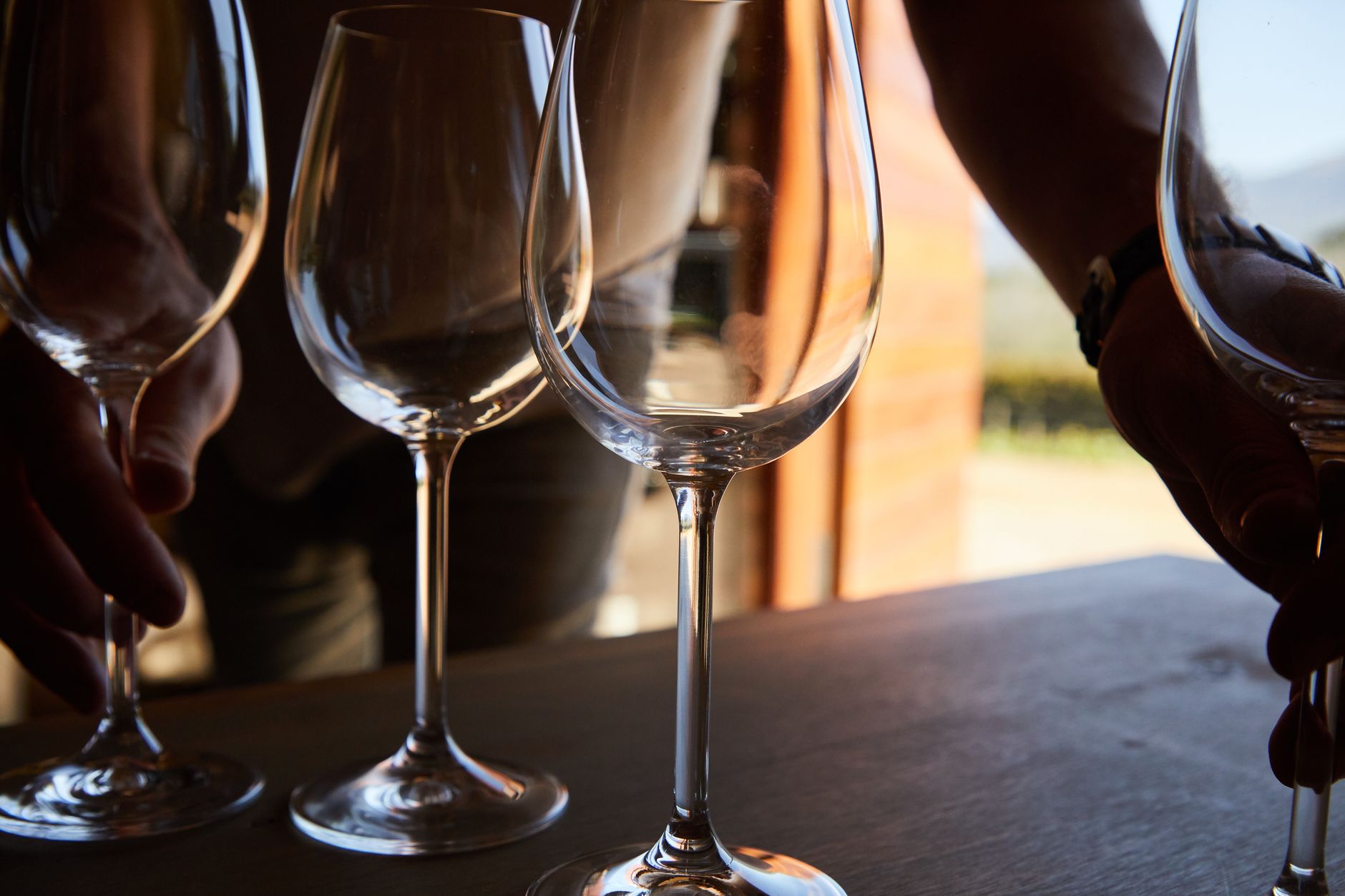
Wine associations and local tourism boards in these regions are genuinely underused resources. Georgia's National Wine Agency, Hungary's wine route networks, and Portugal's regional commissions all publish producer directories that most visitors never find because they stopped searching after the first travel blog appeared. Go one layer deeper. Read the importer notes on the bottles you admire; importers who work with small producers in obscure appellations often list the estates by name, and those names are your starting point.
Consider building an itinerary that pairs a known region with an unknown one nearby. Combine the Douro with Bairrada, or Alsace with the Jura. The contrast sharpens everything: tasting a polished Burgundy export the week before you drink a cloudy, skin-contact Rkatsiteli from someone's kitchen gives the latter its full meaning. Travelers who think this way, moving between the canonical and the unexpected, find that the unexpected eventually becomes the reason they travel at all.
What Gets Lost When a Region Gets Discovered
There is something worth naming plainly: the window on places like this is genuinely finite. The Jura was obscure until natural wine culture made it fashionable. Portions of Tokaj are already attracting international investment that reshapes what the wines taste like and who they are made for. Georgia's amber wines appear on cocktail bar menus in cities that could not have located the Kakheti valley on a map a decade ago. None of this is necessarily bad, but it does change the character of a visit. The cellar door that felt like a private discovery this year may feel like a scheduled experience in five years.
That is the case for going now. Not because these places will disappear, but because the texture of the encounter will shift. The winemaker who pours from a qvevri and tells you the story of his grandfather's vineyard is not performing that story yet. Seeking out places before they learn to perform is the deepest argument for this kind of travel, and it connects to a broader instinct toward authenticity that shapes the most rewarding trips. Travelers drawn to that instinct often find the same quality in unexpected places, including in how they approach street food and the traditions behind it.
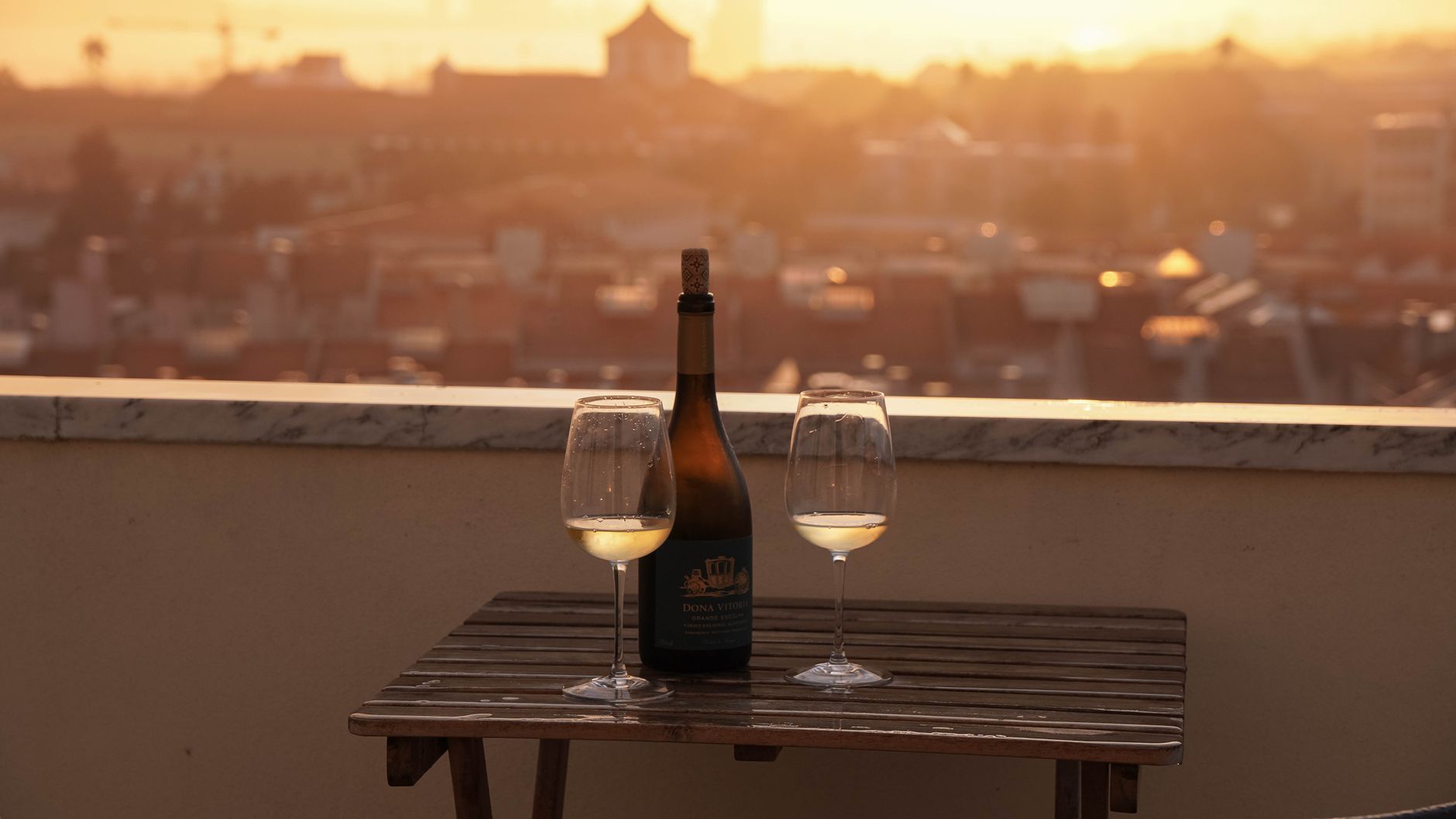
The cellars are still quiet. For travelers, the cups are still clay. Go while the conversation is still in broken Italian.
Sources and references
- U.S. DOT Final Rule on automatic refunds