Understanding what to eat in Lima Peru starts with accepting a counterintuitive truth: the greatest food city in South America demands you eat backward. Most travelers arrive hungry for the celebrity restaurants that earned Lima its reputation, but the real order of operations begins at a cevichería counter at 11 a.m., moves through a market comedore at lunch, touches a street anticucho cart at dusk, and only then ascends to the dining rooms that collect international awards. This sequence is not arbitrary. It mirrors how Limeños themselves experience their cuisine, building from the foundational flavors that define Peruvian cooking before exploring the haute interpretations that made the city a UNESCO Creative City of Gastronomy[3].
The culinary landscape here rewards those who understand progression over checklist dining. Lima's food culture operates in concentric circles radiating from the Pacific, and your palate needs that same architecture to make sense of what follows.
Start with Ceviche, But Start Correctly
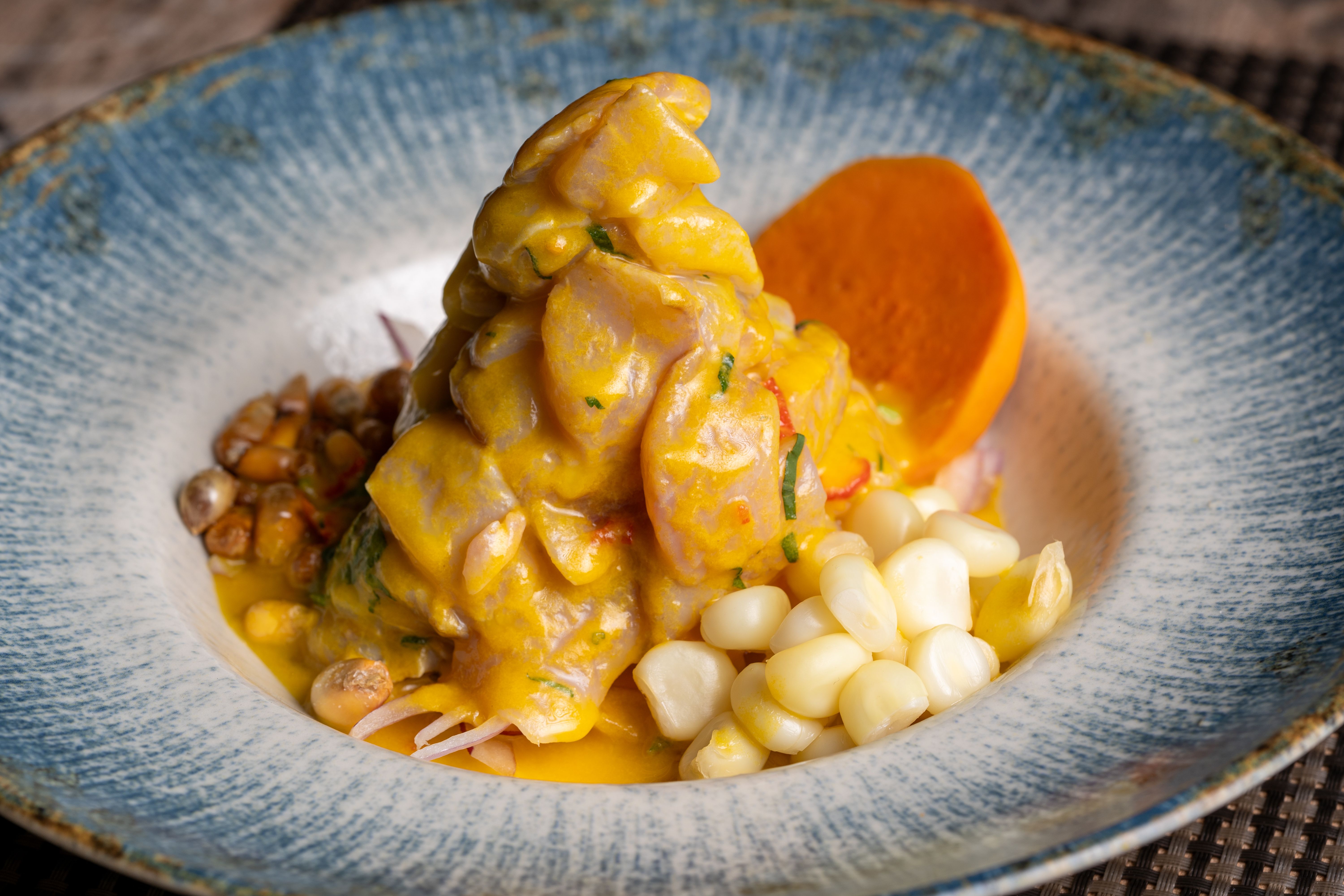
Your first meal in Lima should be ceviche, consumed no later than 1 p.m. at a neighborhood cevichería where the fish arrived before dawn. The acidic bite of tiger's milk (leche de tigre) recalibrates your understanding of freshness and introduces the ají pepper heat that underpins nearly everything that follows. Cevicherías close by mid afternoon because the fish is no longer at its peak, a discipline that teaches you Lima's first rule: timing matters as much as technique[2].
Look for spots in Miraflores, Barranco, or Chorrillos where the menu is short and the turnover is fast. The classic preparation combines corvina or lenguado with lime juice, red onion, cilantro, and a sliver of ají limo. Accompanying sweet potato and oversized Andean corn (choclo) provide textural and thermal contrast. This dish is the axis around which Lima's culinary reputation spins.
Avoid the temptation to order elaborate variations on your first encounter. Master the fundamentals before exploring the creative riffs that layer in octopus, black shells, or fruit. The traditional preparation reveals the balance Peruvian cooks prize: acid, heat, salt, and the mineral sweetness of impeccable seafood.
Build Your Foundation at the Markets
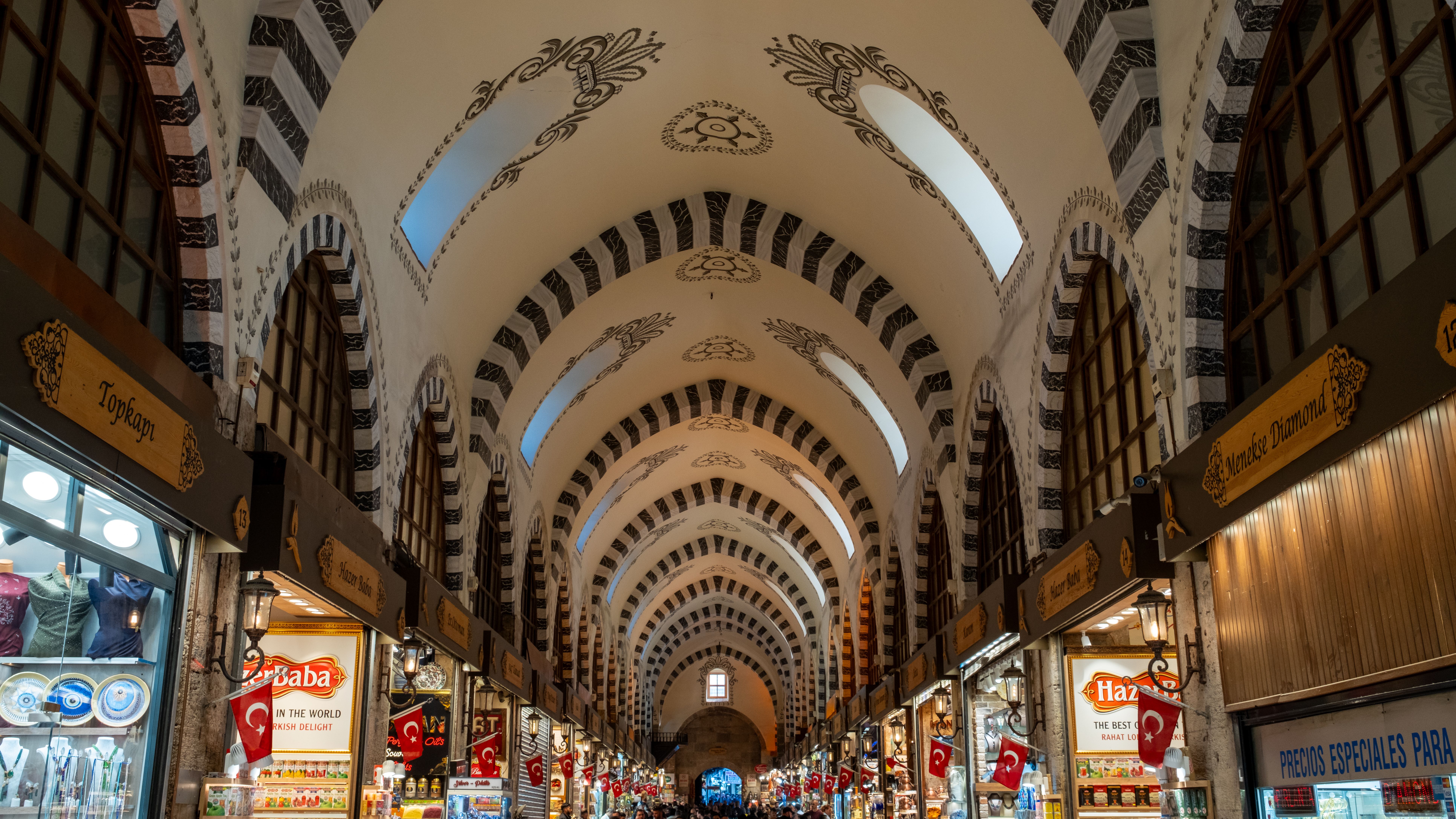
After ceviche establishes your baseline, spend your second day inside Lima's markets. Mercado de Surquillo and Mercado San Isidro contain entire culinary educations within their comedores, the stall restaurants where vendors and locals eat daily[1]. Here you encounter causa (chilled potato terrine layered with chicken or tuna), papa a la huancaína (potatoes in a creamy, spicy cheese sauce), and tacu tacu (refried rice and beans formed into a crisp cake).
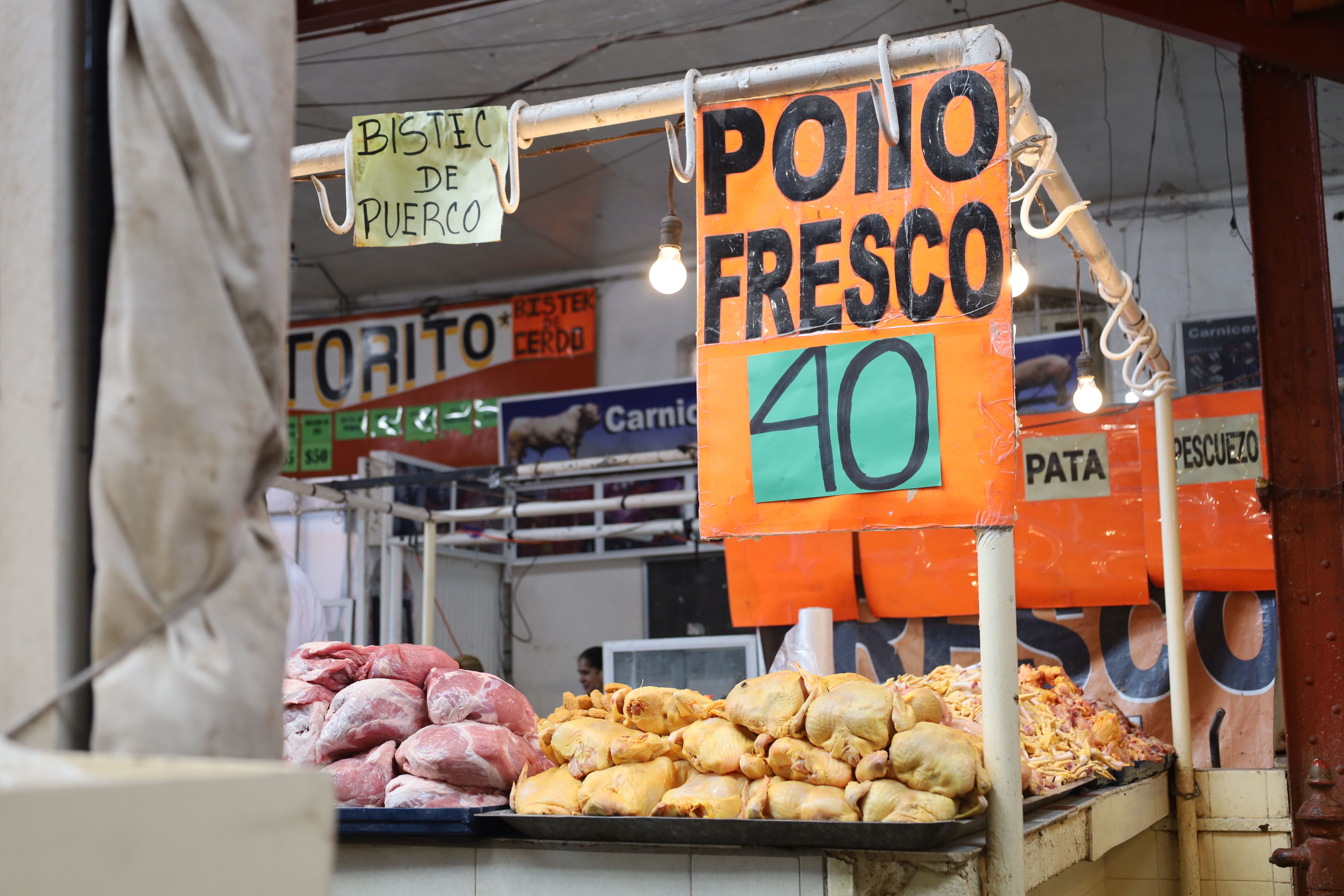
These dishes teach you about Peru's biodiversity. The country grows more than 4,000 potato varieties, and the comedores showcase a rotating selection. Ají amarillo appears in multiple forms, each revealing a different facet of its fruity heat. Portions are generous, prices are minimal, and the experience connects you to the everyday rhythms that support Lima's more celebrated dining culture.
The Anticucho Cart and Street Food Immersion
Evening brings you to the streets, where anticuchos (grilled beef heart skewers) introduce you to Lima's working class culinary soul. These carts appear at dusk in neighborhoods across the city, staffed by vendors who marinate meat in vinegar, cumin, and ají panca before grilling over charcoal. The result is smoky, tender, and profoundly savory, served with boiled potato and a second swipe of spicy sauce.
Street food in Lima operates as both sustenance and social glue. Anticuchos share sidewalk real estate with picarones (pumpkin and sweet potato fritters drizzled with chancaca syrup), tamales wrapped in banana leaves, and chicharrón sandwiches that layer fried pork, sweet potato, and salsa criolla onto crusty rolls. Eating at these stalls after dark lets you observe how Limeños punctuate their evenings, gathering in informal clusters that shift and dissolve as new customers arrive.
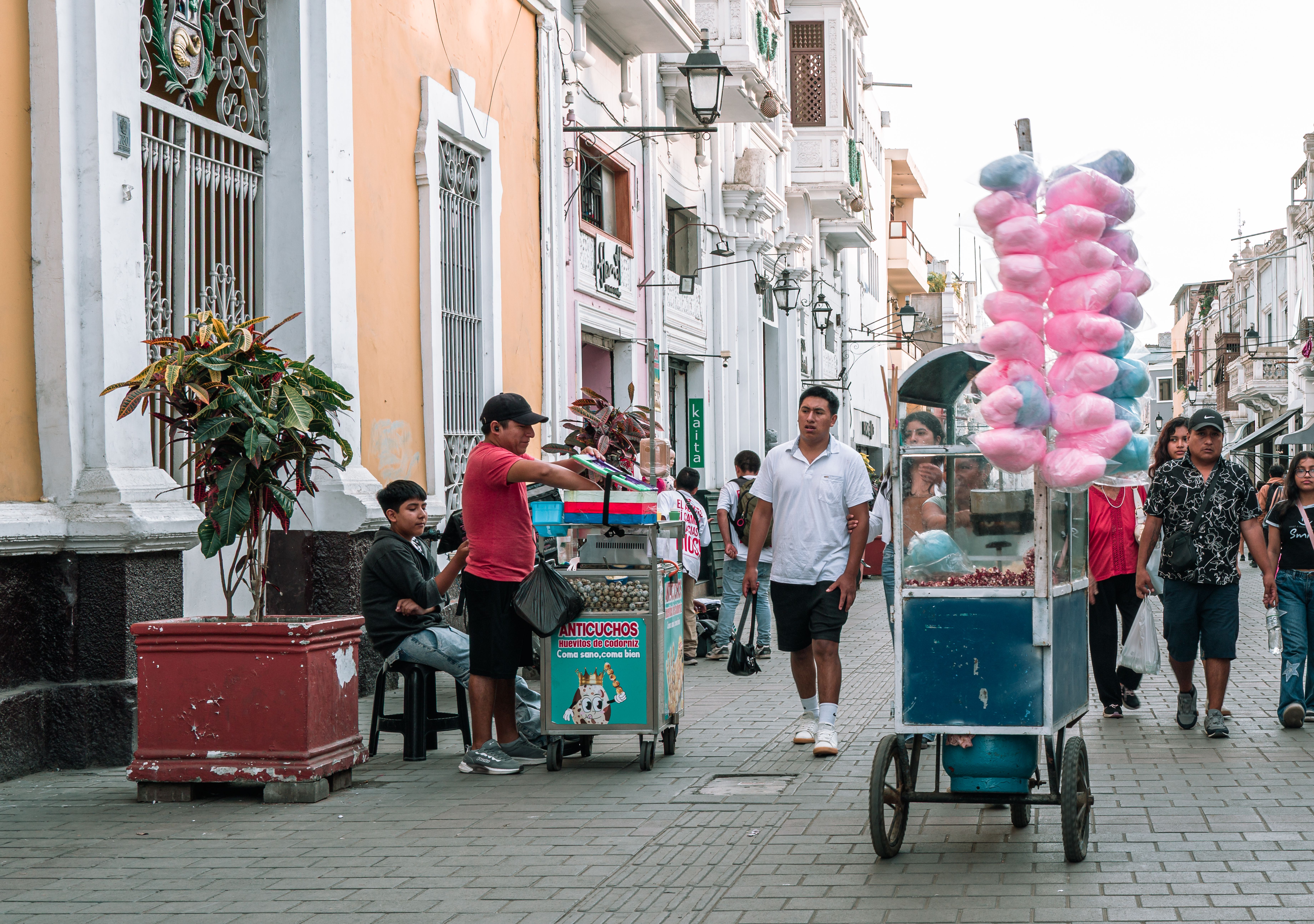
This phase of your eating itinerary serves a practical purpose beyond flavor education. Street food portions are smaller than restaurant meals, allowing you to sample multiple preparations in a single evening without the commitment of a full table service experience. The financial outlay remains modest, typically under ten soles per item, which frees you to experiment widely.
Nikkei Cuisine as the Essential Interlude
Before ascending to Lima's fine dining temples, pause to understand Nikkei, the Japanese Peruvian fusion that emerged from a century of immigration and intermarriage. This cuisine represents Lima's cosmopolitan instincts at their most successful, blending miso with ají amarillo, soy with lime, and tiradito (a Peruvian sashimi hybrid) with causes and ceviches you have already mastered.
Restaurants specializing in Nikkei provide a bridge between the street and the chef's table. The techniques are more refined than what you encountered at the markets, yet the flavors remain rooted in the Peruvian pantry. Acevichado sauce (a soy and citrus emulsion) coats salmon in a way that recalls both leche de tigre and ponzu. Tempura incorporates native vegetables like zapallo loche. Even the rice carries Andean influences through quinoa additions or purple corn garnishes.
Dining Nikkei teaches you to recognize how Lima's culinary innovators think. They do not abandon foundational ingredients; they recombine them through alternative technical lenses. This mindset prepares you for the high concept tasting menus that follow, where familiar elements appear in unexpected contexts.
Plan Your Tasting Menu Sequence Strategically
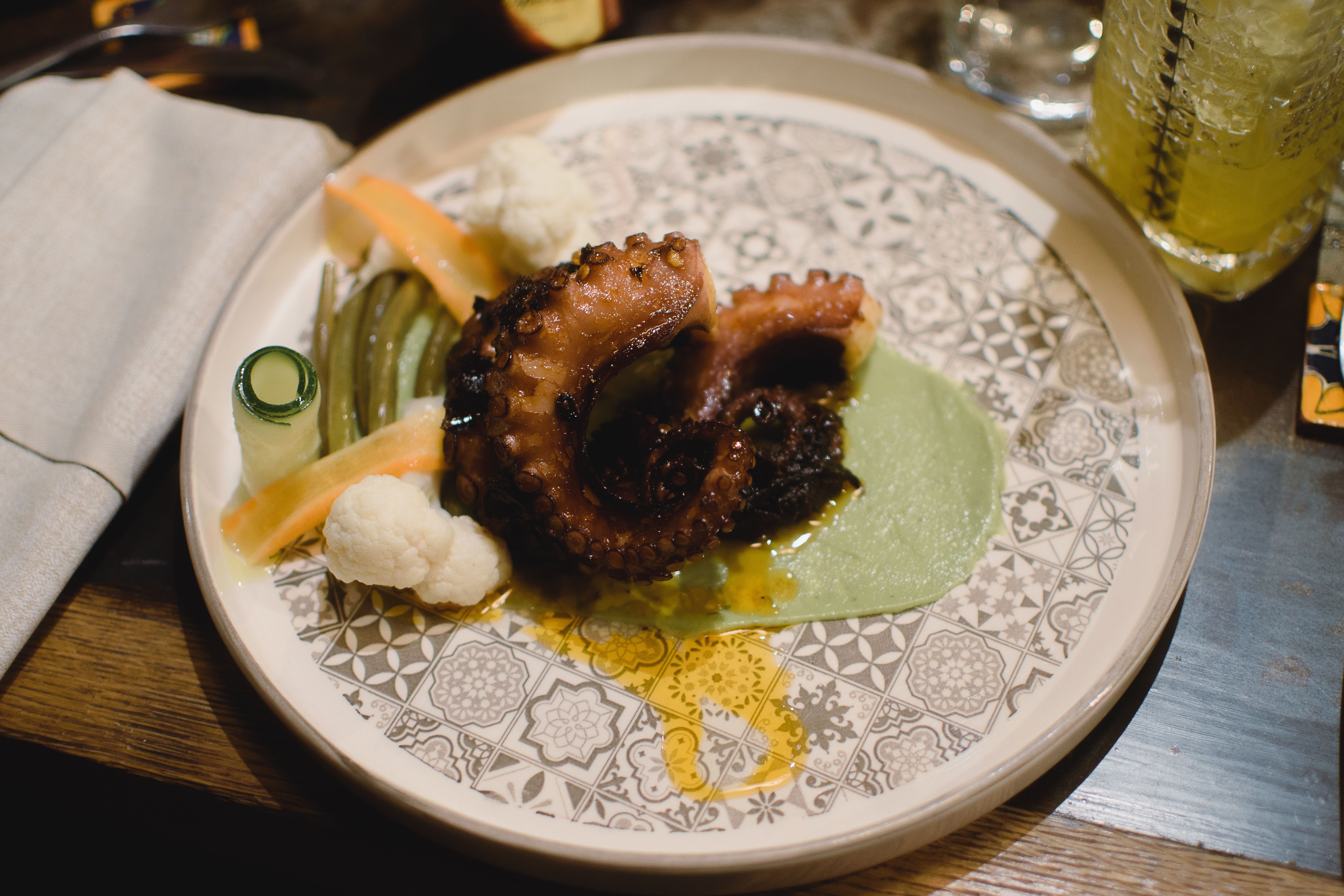
Only after completing the previous stages should you book reservations at Central, Maido, or Kjolle, the restaurants that consistently rank among the world's best. These dining rooms require advance planning, often weeks ahead during peak season according to PromPeru visitor data[1]. Tasting menus run between three and four hours, with prices starting around 400 soles and extending past 800 for beverage pairings.
Structure your fine dining experiences with rest days between them. The intensity of a 14 course progression exploring Peru's vertical ecosystems (Central's signature concept) demands mental and physical space to process. Scheduling back to back tasting menus results in palate fatigue and dulled appreciation for the creativity each chef brings.
Consider the following sequence for maximum impact:
- Begin with a seafood focused tasting menu that builds on your ceviche foundation
- Progress to a restaurant emphasizing Andean ingredients and altitude inspired preparations
- Conclude with a Nikkei tasting menu that synthesizes the cultural cross currents you have observed throughout the week
This progression honors the logic of Lima's food culture while giving each experience room to resonate independently.
Build Your Eating Itinerary Around Neighborhood Logic
Lima's districts each carry distinct culinary personalities, and organizing your meals geographically prevents wasted transit time while revealing how food culture shifts across the city. Miraflores concentrates upscale cevicherías and international restaurants along its coastal cliffs, making it ideal for your first two days when jet lag limits your willingness to navigate unfamiliar transit. Barranco offers bohemian energy and midrange dining that bridges street food and fine dining, with walkable density that rewards afternoon exploration between meals.
Chorrillos and Surquillo house the working class restaurants where authenticity trumps presentation, perfect for your market immersion phase. These neighborhoods lack tourist infrastructure, which means prices remain tied to local economics rather than visitor expectations. San Isidro contains many of Lima's celebrated tasting menu destinations, clustered within a few blocks that simplify logistics when you reach the fine dining stage of your itinerary.
Map your accommodations to match this progression. Staying in Miraflores for your first half allows easy access to ceviche and beaches, then moving to Barranco for your second half positions you near both street food corridors and upscale reservation restaurants. This approach minimizes backtracking while keeping you immersed in evolving neighborhood rhythms.
Protect Your Investment When Travel Disruptions Strike
Restaurant reservations at Lima's top destinations require deposits, and flight delays or cancellations can destroy carefully timed eating itineraries worth hundreds of dollars. Understanding your compensation rights when airlines disrupt your plans becomes essential when your trip centers on non refundable reservations[1]. Passengers facing significant delays may qualify for meal vouchers, hotel accommodations, or monetary compensation depending on the circumstances and regulations governing their ticket.
European travelers flying into Lima on EU carriers benefit from EC 261 protections that mandate compensation for delays exceeding three hours caused by factors within airline control. North American passengers have fewer automatic entitlements but can still pursue claims through DOT complaint processes and credit card travel protections. Documenting your losses, including forfeited restaurant deposits and rebooking costs, strengthens any claim you file.
Tools like the flight delay compensation calculator help you quickly assess whether your disruption qualifies for reimbursement before you lose leverage by accepting airline vouchers. Travel insurance policies vary widely in their coverage of prepaid dining experiences, so reviewing your policy's trip interruption provisions before departure clarifies what documentation you need to collect if disruptions occur.
Conclusion
The real order of operations for eating in Lima respects the city's culinary architecture, building from foundational street flavors toward the haute cuisine that drew global attention. This progression transforms a week of meals into a coherent education rather than a disconnected series of transactions. Start at the ceviche counter, earn your way to the tasting menu, and let Lima's logic guide every bite between.
Sources and references
- Peru tourism board PromPeru
- Lima culinary association records
- UNESCO gastronomy designations
- U.S. DOT Final Rule on automatic refunds