The air thickens with turmeric and cardamom before you even round the corner, and suddenly you're standing at the edge of Istanbul's Spice Bazaar, where crimson pyramids of sumac rise beside golden hills of saffron. These aren't just shopping destinations; the best spice markets in the world are living archives of trade routes, conquests, and centuries of culinary evolution. Planning a trip around them means stepping into places where scent becomes memory, where haggling is theater, and where every stall tells a story about the people who grew, dried, and traveled with these precious seeds and powders.
Istanbul's Spice Bazaar: Where Europe Meets the Silk Road
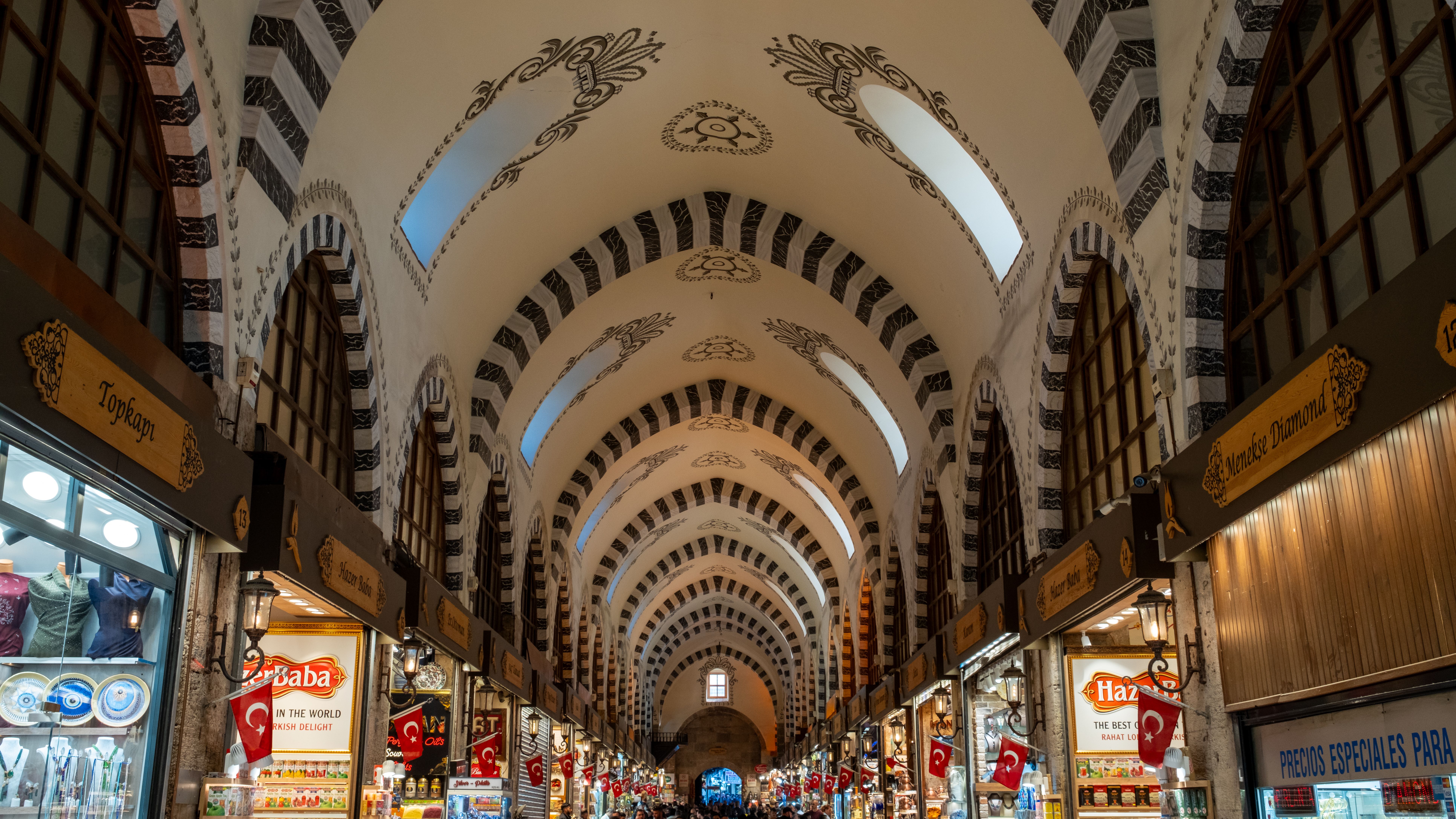
The Mısır Çarşısı, better known as the Spice Bazaar, has anchored Istanbul's Eminönü quarter since 1664, when it was built to fund the upkeep of the New Mosque next door[3]. Walk through its vaulted stone halls and you'll find over 85 shops selling everything from Anatolian red pepper flakes to Iranian pistachios, but the real treasure is the cumin from Şanlıurfa, smoky and earthy in a way that transforms any lentil soup. Vendors pack spices into cotton sacks or gleaming glass jars, and they'll grind blends to order while you watch, the mortar and pestle rhythmic against the hum of a thousand conversations.
Come early, ideally on a weekday morning between 9 and 11, when the light slants through the high windows and the crowds haven't yet thickened. The market sits steps from the Galata Bridge, so pair your visit with a ferry ride across the Bosphorus or a strong Turkish coffee at one of the cafés lining the waterfront. Buy dried rose petals for tea, urfa biber for grilling, and a small tin of saffron if your budget allows; quality here is high and prices negotiable, though always ask to smell before you buy.
Marrakech's Rahba Kedima: The Square of Spices and Old Remedies
Tucked just off Marrakech's main square, Rahba Kedima is less a building than an open-air theater of scent and color, where Berber apothecaries sell ras el hanout in dozens of variations, each blend a family secret handed down through generations[2]. The name means "old square," and it feels appropriately timeless: baskets overflow with dried rosebuds, cinnamon bark the length of your forearm, and whole nutmeg the size of walnuts. Ras el hanout, the "top of the shop" blend that can contain anywhere from twelve to thirty spices, is the star purchase here. Every vendor will insist theirs is the most balanced, the most aromatic, the one true version, and they're all a little bit right.
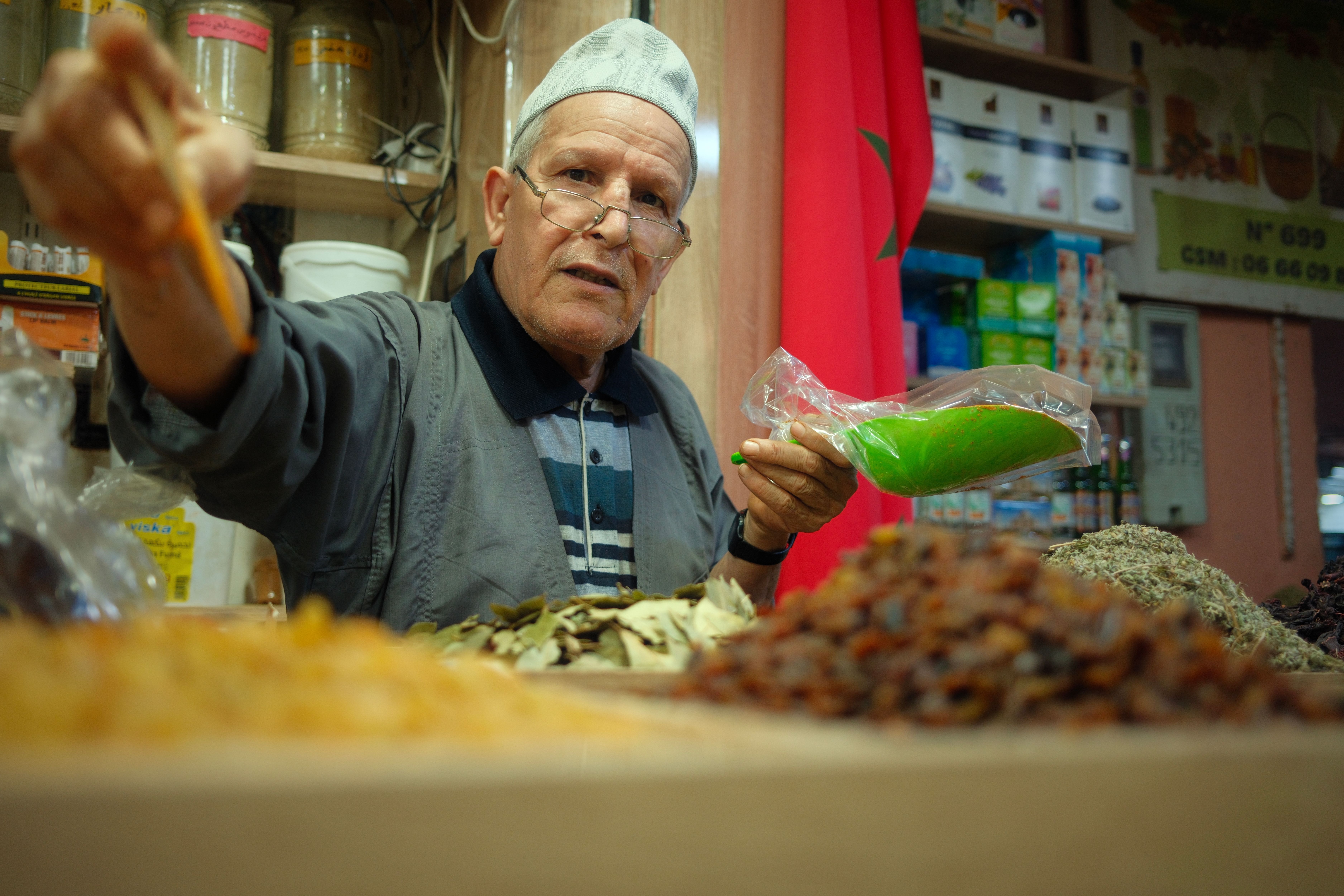
Mornings after 10 a.m. are ideal, once the square has fully woken but before the midday heat makes browsing uncomfortable. The stalls spill into the surrounding souks, so it's easy to spend an hour drifting from one to the next, tasting preserved lemons, examining blocks of argan soap, and watching herbalists bundle sprigs of wild thyme and verbena[1].
Delhi's Khari Baoli: The Largest Spice Market in Asia
Step into Old Delhi's Khari Baoli and you enter a sensory overload that's been building since the 17th century, when Shah Jahan's architects designed this neighborhood as a trading hub[3]. The narrow lanes are lined with wholesale shops stacked floor to ceiling with gunnysacks of coriander, fenugreek, and dried chilies, and the air is so thick with spice dust that you might sneeze your way through the first few minutes. This isn't a market designed for tourists; it's where Delhi's restaurant owners and home cooks come to buy in bulk, which means prices are exceptional and the quality unimpeachable, provided you know what you're looking at.
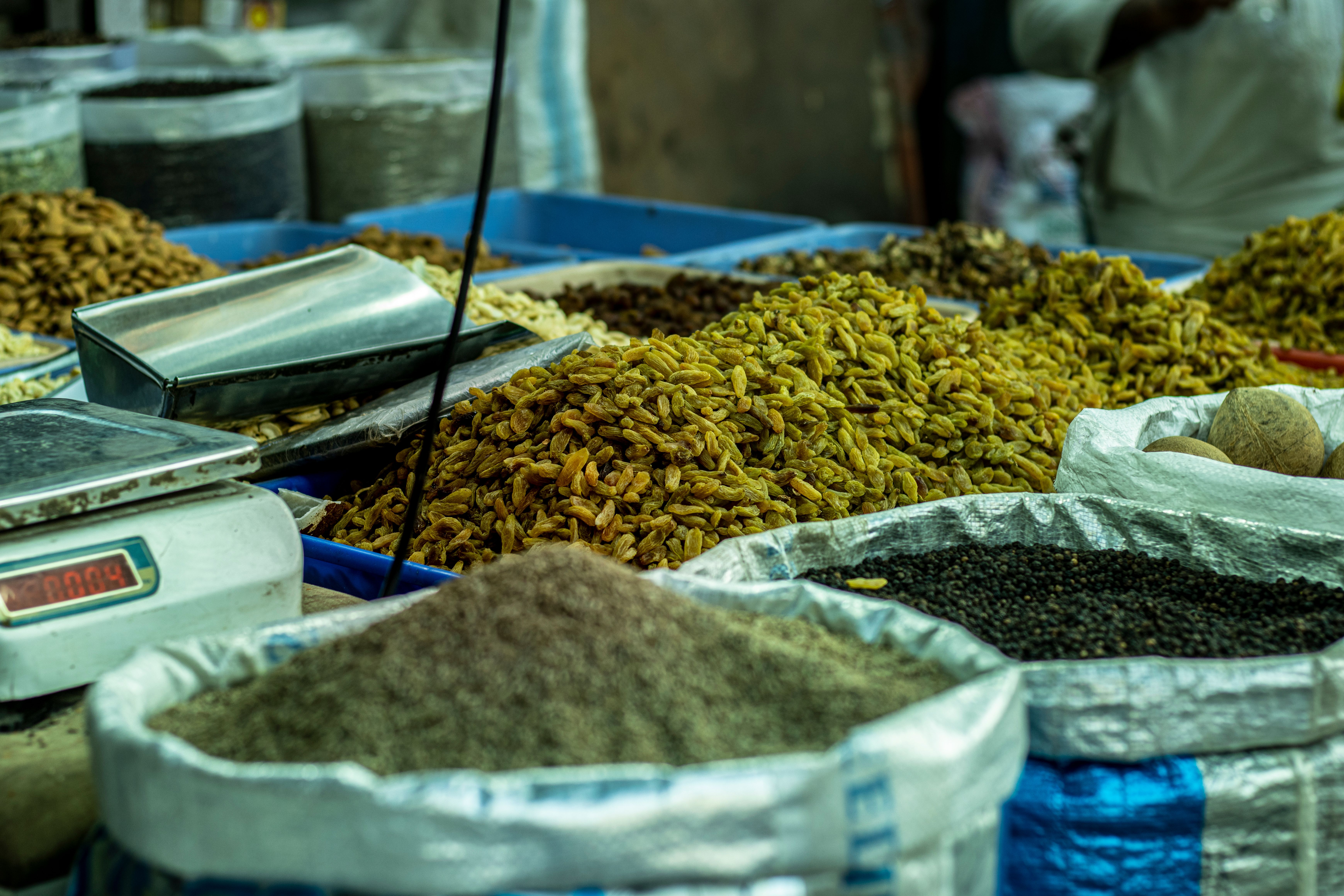
The best strategy is to arrive around 11 a.m., after the early morning wholesale rush but before the lunch lull, and head straight for the dealers specializing in single-origin spices. Look for Kashmiri saffron, sold in small tins with the threads still intact and brilliantly red, or black cardamom from the hills of Uttarakhand, smoky and resinous in a way the green variety never achieves. Vendors here don't haggle much on price, but they will throw in extra if they like you, and they'll often grind a sample so you can taste the oil content and freshness. Pair your market visit with a paratha breakfast at one of the century-old dhabas nearby, where the griddles have been seasoned by decades of ghee and spice.
What to Buy and How to Bring It Home
Navigating a spice market requires some practical knowledge, especially if you're planning to carry your haul across borders. The smartest purchases are whole spices rather than pre-ground powders, since whole spices retain their volatile oils and flavor for months or even years, while ground versions start losing potency within weeks. Here's what belongs in your suitcase:
- Saffron: Buy only from vendors who let you inspect the threads; they should be deep red with slight orange tips, never dyed or adulterated with safflower.
- Sumac: The tart, lemony powder that defines Levantine cooking; look for a deep burgundy color and a fruity aroma.
- Whole nutmeg and mace: Often sold together, since mace is the lacy covering of the nutmeg seed; grate fresh as needed for custards, béchamel, or mulled wine.
- Dried chilies: Varieties like Turkish pul biber or Indian Kashmiri chilies add color and moderate heat without overwhelming a dish.
- Blends tied to place: Ras el hanout from Marrakech, baharat from Istanbul, or garam masala from Delhi, each a snapshot of regional taste.
Pack spices in your checked luggage in sealed bags or small jars, clearly labeled, and keep receipts in case customs asks questions. Most countries allow personal quantities of dried spices without issue, though fresh produce and certain seeds are often restricted[1]. If you're drawn to the intersection of food and the stories it carries, the way a dish can root you in a particular moment or place, these markets offer something deeper than ingredients alone.
When Spice Markets Pulse With Life
Timing transforms a spice market from a pleasant browse into an unforgettable sensory experience. Istanbul's Spice Bazaar is at its most atmospheric during Ramadan, when vendors stock date molasses, dried apricots, and special tea blends for iftar, and the energy shifts from commercial to communal. Marrakech's markets bloom in late spring, when the new harvest of roses arrives from the Dadès Valley and vendors begin distilling rosewater in copper stills right at their stalls. Delhi's Khari Baoli reaches a fever pitch before Diwali, when families buy kilos of spices for sweets and savory preparations, and the lanes become nearly impassable with carts and shoppers[2]. Visiting during these peaks means witnessing the market not as a static attraction but as a living part of the culture it serves, where commerce and celebration blur into one fragrant, chaotic whole.
How to Navigate a Spice Market Like a Local
Successful spice market shopping begins before you arrive: bring a small notebook to jot down vendors' names and stall numbers, since the best shops rarely advertise and you'll want to find your way back. Dress in layers you can shed, because even climate-controlled bazaars grow warm as the day progresses, and leave your large bag at the hotel; a crossbody or small backpack lets you move through crowded aisles and keeps your hands free for sampling. Engage directly with vendors rather than hovering silently at the edge of a stall. Ask about origin, harvest season, and how they use a particular spice at home, and you'll often unlock stories about family farms in Anatolia or monsoon rains in Kerala that make the difference between good and extraordinary.
Taste before you buy whenever possible. Reputable dealers will offer a pinch of ground spice on the back of your hand or brew a quick cup of saffron tea so you can judge quality firsthand. Compare prices across several stalls before committing to a large purchase, but don't let a few dollars derail a transaction if the vendor has been generous with knowledge and samples; goodwill compounds across visits. If you're traveling with a focus on food and its cultural roots, exploring markets beyond the spice stalls often reveals layers of a city's identity, from preserved ingredients to artisan tools. Readers interested in the broader rhythm of culinary discovery might find similar resonance in the street food stalls that anchor entire neighborhoods, where the commerce of eating becomes its own form of cultural immersion.
Preserving Flavor and Avoiding Common Mistakes
Once home, proper storage determines whether your spices remain vibrant or fade into dusty relics. Transfer whole spices to airtight glass jars and store them in a cool, dark cupboard, away from the stove's heat and the window's light, both of which degrade essential oils within weeks. Whole spices keep for up to two years under ideal conditions, while ground versions should be used within six months[2]. Toast whole spices in a dry pan before grinding to wake up dormant flavors, and invest in a dedicated spice grinder or mortar and pestle rather than repurposing a coffee grinder, which leaves phantom flavors behind.
Avoid the trap of over-buying simply because prices seem low compared to home; a kilo of cardamom sounds economical until it sits untouched for three years. Purchase quantities you'll realistically use, and remember that sharing is part of the tradition. Dividing your haul among friends extends the market's generosity and gives you an excuse to cook together, turning a souvenir into an occasion.
These markets endure because they offer something no supermarket aisle can replicate: the friction and delight of human exchange, the knowledge passed from hand to hand, the proof that flavor and culture are never separate. Plan the trip, book the ticket, and let the scent of sumac and cardamom lead you somewhere worth remembering.
Sources and references
- regional tourism boards
- culinary history references
- market heritage records
- U.S. DOT Final Rule on automatic refunds