The woman behind the marble counter slides a wedge of mortadella across the scale, slices it thick as a paperback spine, and folds it into a square of carta paglia without asking if you want it. This is how you begin your Bologna food guide: not with a table for two at eight o'clock, but with standing room at a salumeria counter, paper in hand, eating something that was never meant to be plated. Bologna rewards the walk-in eater, the curious wanderer who follows the smell of broth through a narrow portico and ends up with the best tortellini in Emilia Romagna on a weekday afternoon.
You can eat spectacularly well here without a single reservation. The city's food culture lives in its markets, its lunch counters, its wine windows cut into medieval walls. Trattorias fill and empty on neighborhood rhythm, not tourist timetables. What makes Bologna different from Rome or Florence is that the food isn't performed; it's operational, tied to the people who grow wheat in the Po Valley and the nonnas who still roll sfoglia by hand every morning.
The Morning Market Sets the Pace
Start at Mercato di Mezzo, the covered market where Bologna has bought and sold food since 1100. Stalls open early, and by nine the air smells like espresso, aged cheese, and the faint iron tang of prosciutto being sliced to order. This isn't a place to browse; it's a place to eat. Grab a stool at one of the standing counters, order a glass of Pignoletto, and let the vendor build you a tagliere: paper-thin slices of culatello, chunks of Parmigiano Reggiano aged three years, a smear of mostarda that cuts through the fat[1].
The quadrilatero, the tangle of streets around the market, holds Bologna's oldest food shops. Salumeria Simoni has been curing meat since 1613, and the mortadella they make is nothing like the deli version you've tasted elsewhere. True mortadella di Bologna is protected by IGP designation, made from finely ground pork studded with cubes of fat, seasoned with black pepper and myrtle berries, slow-cooked in industrial ovens until it turns silky[2]. You eat it at room temperature, never cold, ideally with a piece of tigelle or piadina bought from the baker two doors down.
Lunch Without a Table
Emilia Romagna is Italy's richest food region because its土壤 and climate conspire to grow everything the cuisine needs: durum wheat for pasta, tomatoes for ragù, dairy cows for Parmigiano and cream. The food is direct, built on repetition and precision rather than innovation. Tagliatelle al ragù is the same here as it was fifty years ago, which is exactly the point.
You don't need a sit-down meal to taste it. Sfogline shops sell fresh pasta by weight, and many have a back counter where you can eat a bowl of tortellini in brodo standing up, finished in three minutes. The broth is capon or beef, simmered for hours until it tastes like distilled umami, and the tortellini float like tiny wrinkled hats stuffed with pork, prosciutto, and nutmeg[3].
The Aperitivo Hour Belongs to Everyone
Between six and eight in the evening, Bologna transforms into a city of small glasses and large plates. Aperitivo isn't just a drink; it's a structured ritual where a five-euro Spritz or glass of Lambrusco buys you access to a buffet that ranges from potato chips to lasagna, depending on the establishment's ambition. The bars around Piazza Santo Stefano and Via del Pratello set out trays of tigelle, erbazzone, and crescentine fried to order, and no one checks whether you're ordering a second drink or simply working your way through the spread.
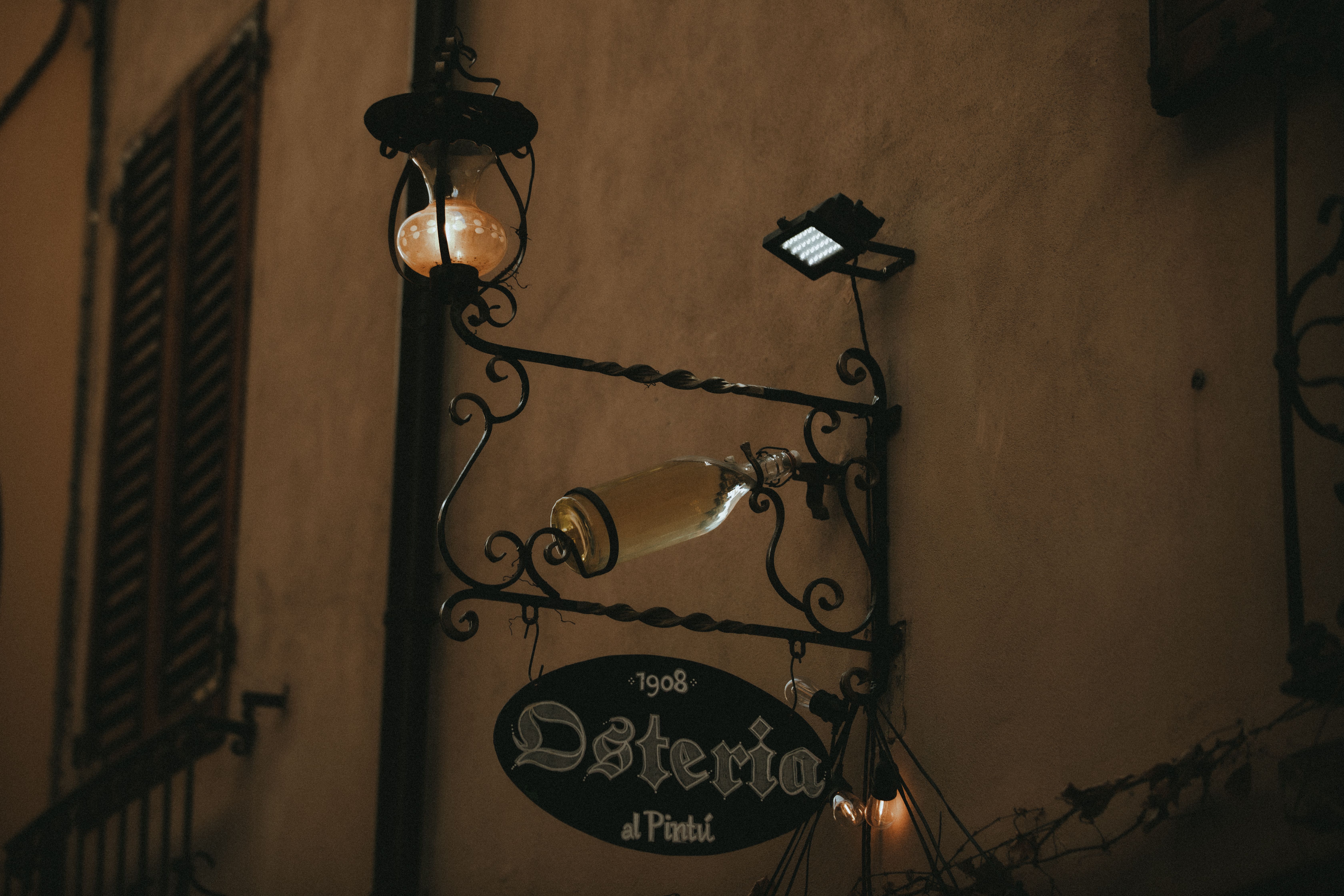
Osteria del Sole, Bologna's oldest tavern, takes a different approach. They serve only wine, no food, but you're welcome to bring in whatever you've collected from the market or the salumeria next door. Locals arrive with bags of bread, cheese, and sliced salumi, spread them on the shared wooden tables, and pour house red from unlabeled bottles. The atmosphere is louder and warmer than any restaurant, and you'll spend less than ten euros for an evening that feels like you've been invited into someone's private tradition.
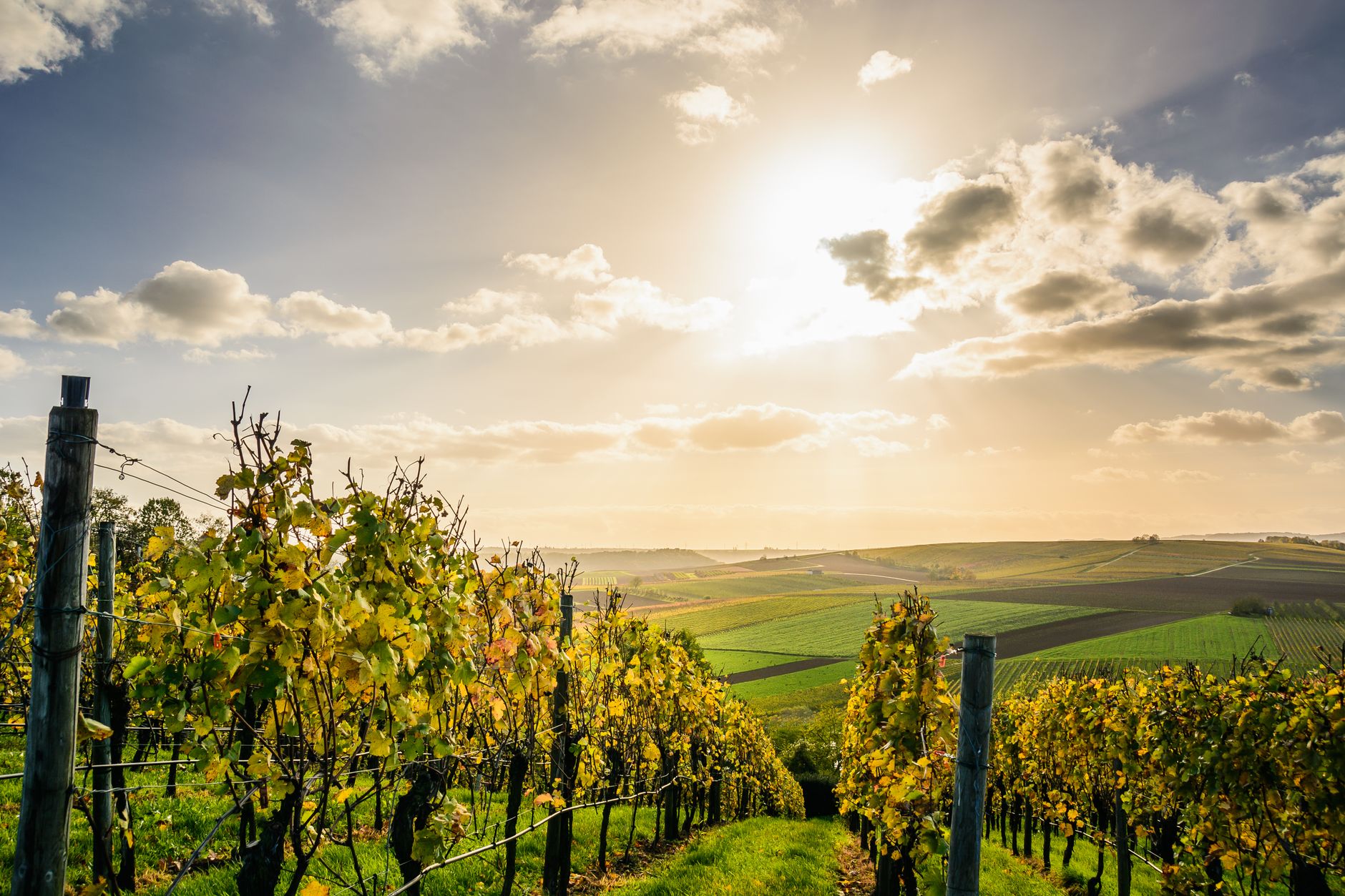
For wine that reflects the region's clay soils and temperate valleys, look for Sangiovese di Romagna or Gutturnio from the Piacenza hills. Emilia Romagna doesn't produce the famous wines of Tuscany or Piedmont, but its everyday drinking wines are some of Italy's best values: bright, structured, made to cut through the richness of ragù and cream-laden pasta[1].
What You Must Eat, and Where to Find It Without Waiting
Certain dishes anchor any Bologna food guide because they define what Emilia Romagna cuisine actually is. These aren't tourist attractions; they're what people eat here when they're hungry.
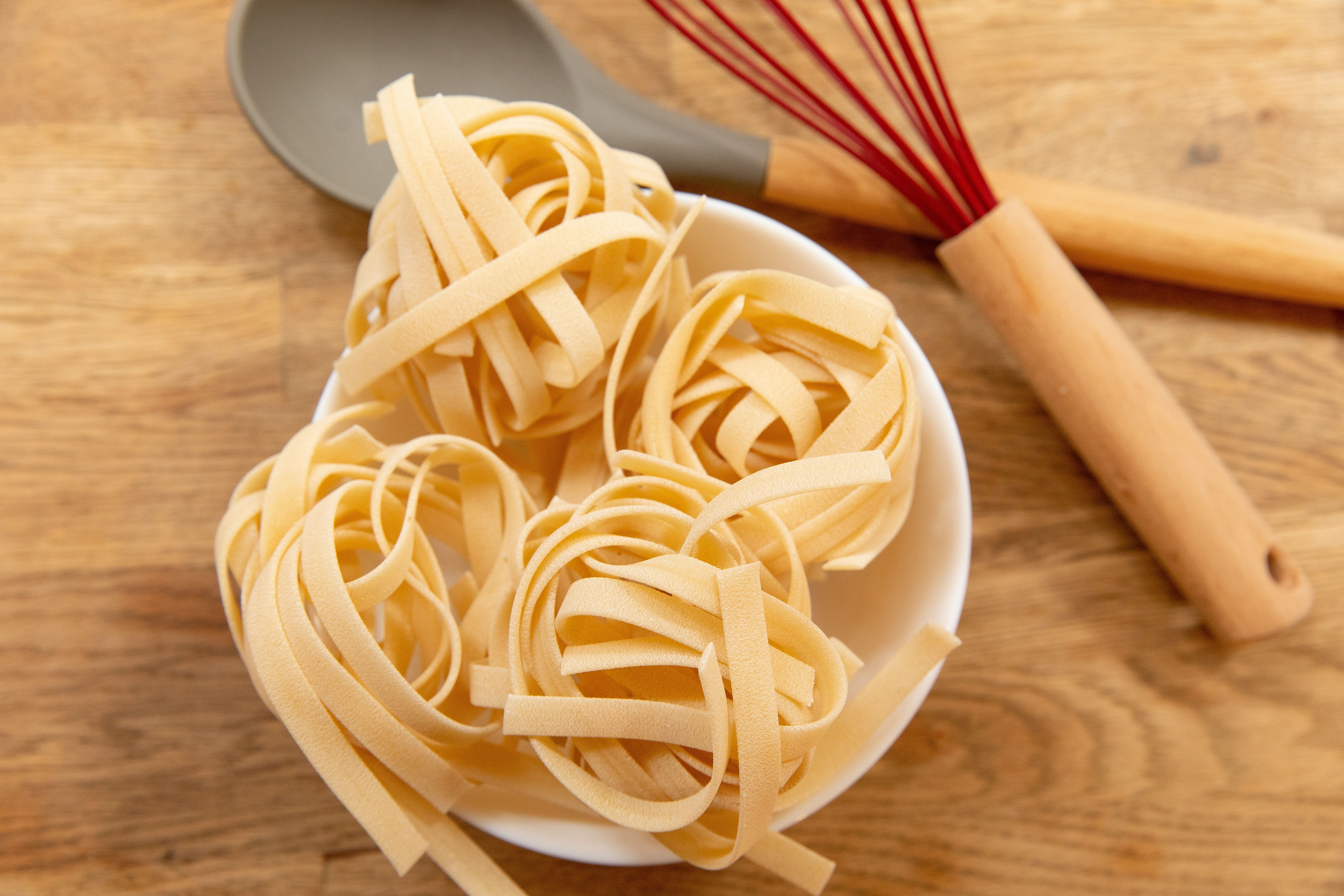
- Tagliatelle al ragù: Not bolognese, never with spaghetti. The pasta is fresh egg tagliatelle, cut six millimeters wide, and the ragù is a slow-cooked soffritto of beef, pork, tomato, and milk. Trattoria Anna Maria and Trattoria di Via Serra both serve it at lunch, no reservation necessary if you arrive by 12:30.
- Tortellini in brodo: Served in beef or capon broth, never with cream. The filling is a mixture of pork loin, prosciutto, mortadella, Parmigiano, and a scrape of nutmeg. Order it at any sfoglina shop with a lunch counter.
- Mortadella: Thick sliced, at room temperature, preferably from a producer who still makes it in-house. Pair it with crescentine or simply eat it folded into wax paper.
- Parmigiano Reggiano: Not just a garnish. Buy a chunk aged 36 months from a market stall, ask for a taste before committing, and eat it with Lambrusco or a drizzle of aged balsamic from Modena, thirty kilometers west.
- Gelato: Cremeria Funivia and Gelatauro make small-batch gelato with seasonal fruit and Sicilian pistachios. Go after dinner, when the evening crowds thin and the flavors haven't been sitting under heat lamps all day.
Timing Your Visit Around the Food Calendar
Bologna eats well year-round, but the food calendar shifts with the seasons. October through March is peak season for the dishes that made Emilia Romagna famous: braised meats, egg pasta, and anything enriched with butter or cream. Tortellini in brodo tastes better in February than in July, not because the recipe changes, but because the body wants it more. Spring brings asparagus from Altedo and strawberries from Romagna, and the lighter dishes start appearing on trattoria menus.
Avoid August if you can. Half the city closes for ferragosto, and the trattorias that remain open are staffed by summer help serving reheated ragù to tourists who didn't know better. Late September and early November are ideal: the weather cooperates, the wine harvest is underway, and the food tastes like itself again.
How to Navigate Bologna Like Someone Who Lives There
The best meals in Bologna happen when you stop planning and start following the room's energy. Walk into a trattoria at 12:45, scan for tables full of older men in good coats arguing cheerfully, and sit near them. They're eating the kitchen's best work. If a place has an English menu propped in the window, keep walking; the trattorias worth your time print theirs daily on a single sheet of A4 paper, sometimes handwritten, because the rezdora changes the menu based on what arrived from the farm that morning.
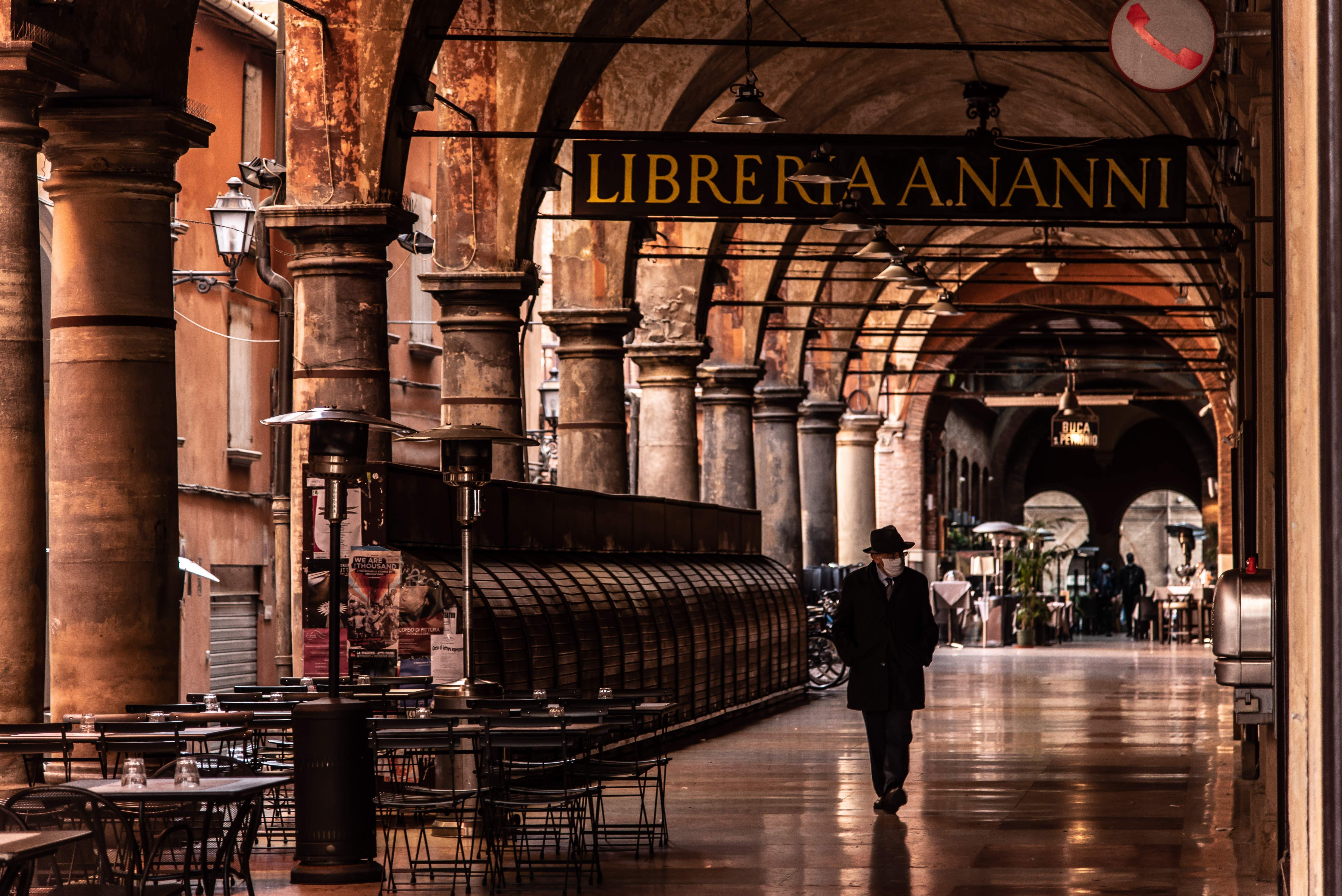
Pay attention to theporticos. Bologna has 38 kilometers of covered walkways, and they function as the city's circulatory system. Follow them away from Piazza Maggiore and you'll stumble into neighborhoods where the alimentari still make lasagna verde to order and the osteria's wine list is three reds, two whites, and whatever the owner's cousin is bottling this year. Via Saragozza, heading toward the sanctuary of San Luca, is lined with lunch spots that see far more locals than guidebook readers.
Carry small bills. Many of the best counters and market stalls are cash only, not out of nostalgia but because the transaction is faster and the margins are thin. A meal assembled from three different vendors in the quadrilatero, paid for in coins and five-euro notes, is both cheaper and better than a plated dinner that requires booking three weeks ahead.
What You Gain by Skipping the Reservations
Eating without reservations isn't a compromise; it's access to a different tier of the city. You're free to move when a place feels wrong, to follow a recommendation from the woman selling Parmigiano at the market, to eat at one o'clock instead of eight because that's when the kitchen is actually cooking and not reheating. The flexibility allows you to chase seasonality: white truffles from Alba appear in Bologna's markets every October, and the trattorias that know how to shave them properly don't take reservations because they don't need to.
Bologna's food culture belongs to everyone willing to stand at a counter, eat with their hands, and trust that the person slicing your mortadella knows more than any review site. You leave better fed and less burdened by the performance of dining, which is exactly what Emilia Romagna has always offered: substance over ceremony, flavor over fuss.
The mortadella you ate standing up at nine in the morning will taste better in memory than most plated meals. Bologna works that way, direct and generous, if you let it.
Sources and references
- Emilia Romagna tourism board
- Italian culinary heritage records
- Slow Food references
- U.S. DOT Final Rule on automatic refunds