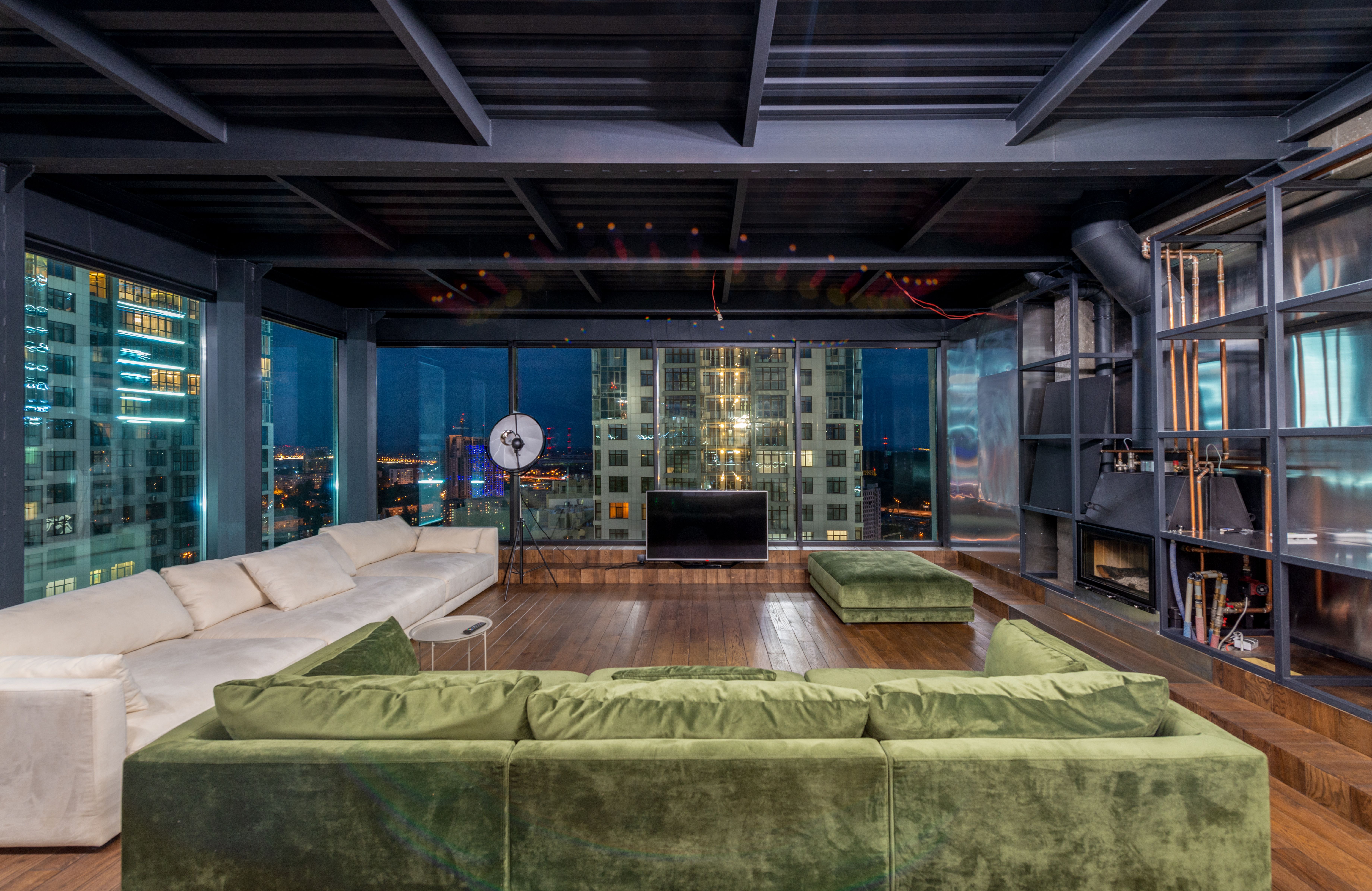
The hotel suite upgrade strategy in 2026 remains one of the most misunderstood elements of luxury travel, shrouded in folklore that promises more than it delivers. Upgrades are neither random acts of kindness nor guaranteed perks, even for elite members. They follow inventory algorithms, property-level discretion, and a hierarchy that places revenue before loyalty points[1]. Understanding the mechanics behind the curtain transforms hope into calculated probability.
Hotels want to fill premium inventory, but only when it makes economic sense. Suite upgrades happen when a property anticipates low occupancy in higher categories, when operational needs require moving guests, or when the revenue management system flags your reservation as upgrade-eligible based on status, spend history, and current availability[2]. The romantic notion that a friendly front desk agent simply rewards a smile has largely disappeared, replaced by automated upgrade lists generated hours before check-in.
The Real Hierarchy Behind Suite Assignments
Revenue always wins. A guest who booked a junior suite at full price will never be moved to accommodate an elite member seeking a complimentary upgrade from a standard room. Properties protect paid premium bookings above all else, which means the upgrade pool consists only of unsold inventory that the hotel has determined will likely remain empty[1].
Elite status creates eligibility, not entitlement. Top-tier members of major hotel programs receive priority on upgrade lists, but that priority only matters when suites remain available after accounting for guests who paid for them, members with expiring upgrade certificates, and operational moves. A Bonvoy Titanium member at a sold-out property receives the same room as a guest with no status: the one they booked.
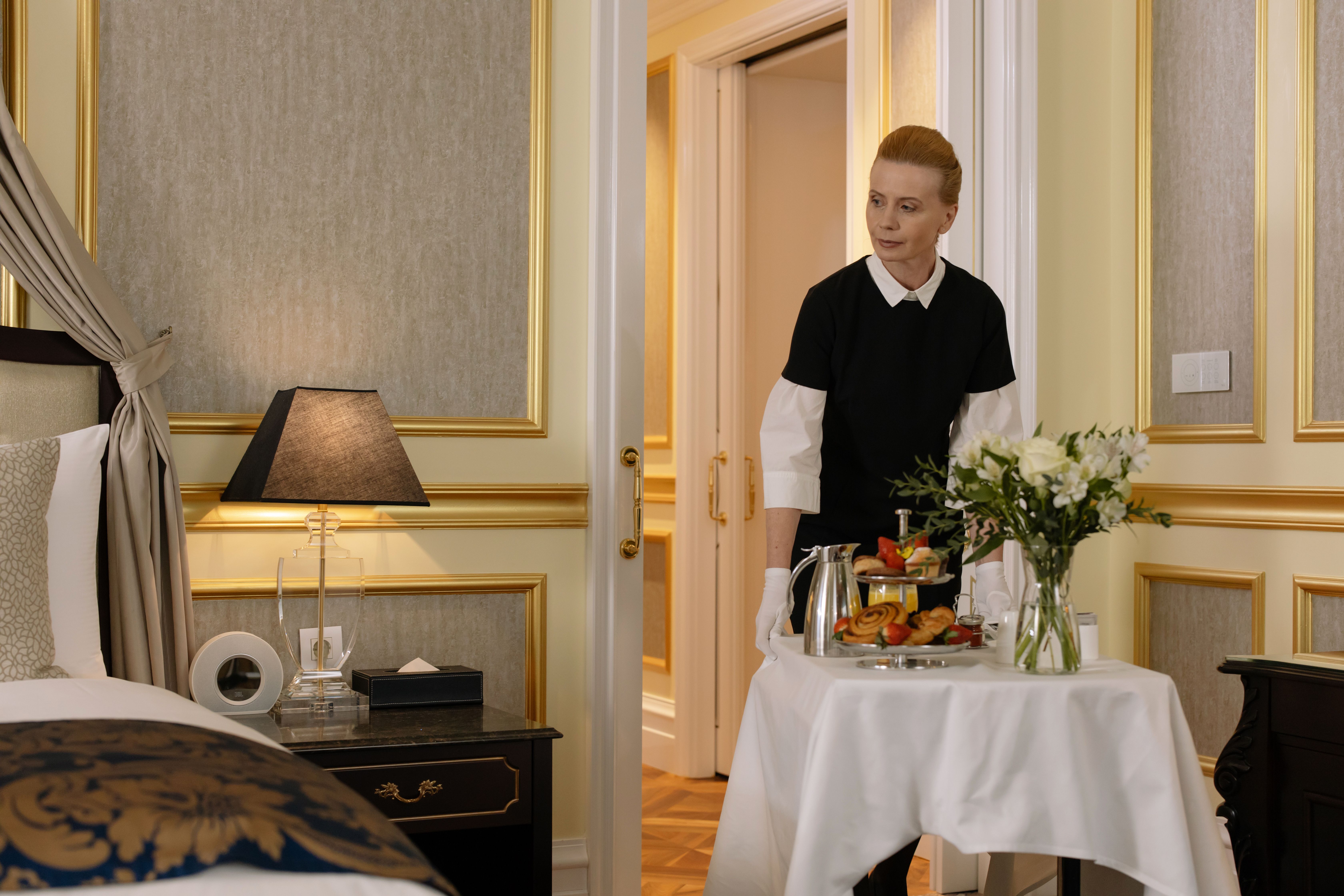
Timing shapes availability more than status. Midweek business hotel stays in secondary cities offer the highest upgrade probability because suites sit empty while corporate travelers book standard rooms. Weekend leisure demand at resort properties creates the opposite scenario, with families and couples willing to pay for premium space, leaving nothing for complimentary upgrades regardless of your lifetime night count.
Moves That Quietly Shift the Odds
Direct booking through hotel channels rather than third-party sites ensures your loyalty profile attaches to the reservation. Properties can see your status, stay history, and spending patterns when you book directly, but third-party bookings often arrive as generic reservations without member recognition[2]. If you need help recovering costs from hotel booking issues, documentation from direct bookings carries more weight.
Longer stays statistically improve upgrade chances because hotels prefer placing extended-stay guests in suites once rather than juggling multiple room moves. A five-night reservation appears more upgrade-worthy than a one-night booking, particularly when the property forecasts occupancy fluctuations mid-week.
Special occasions mentioned during booking create notation opportunities, though they guarantee nothing. Properties track anniversaries, birthdays, and celebrations as potential service recovery moments or upgrade justifications when inventory allows, but these notes compete with dozens of similar requests each day.
When Properties Actually Release Suite Inventory
Revenue management systems lock premium inventory until 72 hours before arrival, protecting suites for last-minute bookings that command higher rates. Properties in major markets often see business travelers book suites at full price just days before check-in, making early upgrade confirmation rare[2]. The system prioritizes revenue optimization over member satisfaction until the window for premium sales closes.
Upgrade lists typically generate between 24 and 48 hours before arrival, when algorithms calculate the probability of selling remaining suites against the cost of leaving them empty. Hotels assign upgrades in status-tier order during this window, though individual properties retain authority to override system recommendations for high-value guests or service recovery situations. Some luxury brands manually review upgrade lists each morning, while others rely entirely on automated processing.
Check-in timing matters less than most travelers believe. Arriving early does not increase upgrade chances because assignments happen before you reach the desk. Late check-in after 6 PM sometimes reveals last-minute availability when same-day bookings fall through, but this scenario depends entirely on unexpected cancellations rather than strategic timing[1].
Why Most Upgrade Requests Fail
The mismatch between elite member volume and suite inventory creates mathematical impossibility at popular properties. A 300-room hotel with 20 suites and 150 elite members checking in on the same night cannot satisfy demand regardless of status distribution. Properties in this position upgrade based on lifetime tier, recent spending, and stay length, leaving the majority of qualified members in their booked category.
Several factors systematically reduce upgrade probability:
- Group blocks that reserve premium inventory for corporate contracts or event attendees, removing suites from the general upgrade pool weeks in advance
- Extended-stay guests already occupying suites, since hotels avoid moving long-term residents to accommodate shorter bookings
- Suite-specific amenities requiring advance setup, such as in-room dining presentations or special turndown services that cannot be prepared on short notice
- Paid upgrades purchased by other guests, which create contractual obligations that supersede complimentary status upgrades
- Property classification systems that categorize certain rooms as suites for inventory purposes while offering minimal space differentiation from premium standard rooms
Third-party bookings remain the single largest upgrade barrier because they break the direct relationship between guest and property. If complications arise with any travel booking, whether flights or accommodations, recovery tools help document issues, though direct hotel reservations always receive priority for discretionary benefits.
The Real Value Calculation
Suite upgrades deliver meaningful value only when the space differential and amenities justify the effort invested in status qualification. A 50-square-foot increase with identical bedding offers minimal benefit compared to a true suite with separate living space, additional bathrooms, and premium views. Properties define "suite" inconsistently, with some brands labeling any room over 400 square feet as junior suite regardless of layout.
Lifetime elite status costs vary dramatically by program, typically requiring 600 to 750 nights for top-tier lifetime benefits across major chains. At an average of $200 per night, reaching lifetime status represents $120,000 to $150,000 in direct hotel spending before accounting for opportunity costs[1]. Travelers dealing with broader compensation questions across travel categories can explore options through specialized recovery resources.
The probability-adjusted value of potential upgrades rarely justifies status chasing for leisure travelers who book fewer than 30 nights annually. Business travelers with corporate-funded stays accumulate status as a byproduct of necessary travel, making upgrades a bonus rather than a goal.
Practical Steps to Maximize Your Position
Consolidate hotel spending within a single loyalty program rather than spreading nights across competing chains. Concentrated activity builds tier status faster and creates recognizable member profiles that revenue managers notice during upgrade review. Properties reward consistency, and a guest with 40 nights at Hilton properties receives more consideration than someone with 10 nights each across four different programs[1].
Book flexible rates when price differences remain minimal, typically $20 or less per night. Refundable reservations signal confidence and allow repositioning if better opportunities emerge, while also demonstrating booking behavior that hotels prefer. Properties note guests who book premium flexible rates versus discount prepaid options, using this information to inform upgrade and service decisions.
Request upgrades through app messaging 48 hours before arrival rather than at check-in. Digital requests create documentation, allow properties time to review availability without desk pressure, and demonstrate awareness of operational workflow. Some brands prioritize app-based upgrade requests because they integrate directly with revenue management systems, though success rates vary by property occupancy.
Maintain accurate profile preferences including room type and location priorities. Systems use these preferences to match available inventory with guest expectations, increasing upgrade relevance when options exist. A member who specifies high-floor preferences and king beds receives targeted upgrades that align with stated needs rather than generic assignments.

Consider paid upgrade offers strategically, particularly at properties where complimentary upgrades rarely materialize. Revenue teams price these offers based on remaining inventory and your booking, sometimes presenting genuine value at 20 to 40 percent of the standard suite rate. Evaluate the absolute cost against alternative uses of that capital rather than comparing to the theoretical retail price.
Understanding Service Recovery and Complaint Channels
Hotels cannot compensate guests for denied upgrades because upgrades constitute discretionary benefits rather than contractual obligations. Your reservation contract covers only the room category you booked, making upgrade disappointment a preference issue rather than a service failure[2]. Properties may offer goodwill gestures like breakfast credits or late checkout, but no obligation exists to provide compensation for maintaining standard room assignments.
Legitimate complaints arise when confirmed room categories become unavailable, forcing downgrades from what you actually purchased. These situations require documentation of your original booking and the substitute accommodation provided. For parallel issues across travel categories, compensation frameworks vary by circumstance and contractual terms.
Service failures during a stay, whether housekeeping lapses or facility problems, merit separate escalation through property management and program customer service channels. These operational issues exist independently of upgrade expectations and follow different resolution protocols[2].
The suite upgrade landscape in 2026 rewards strategic positioning over wishful thinking. Revenue algorithms determine availability, elite status creates conditional priority, and inventory constraints limit outcomes regardless of member tier. Understanding these mechanics transforms upgrades from mysterious disappointments into calculated probabilities worth pursuing only when the odds justify the effort.
Frequently asked questions
How do hotel suite upgrades actually work?
{"question":"How do hotel suite upgrades actually work?","answer":"Suite upgrades are discretionary decisions made by front desk staff based on availability, guest profile, and loyalty status rather than guaranteed entitlements. Hotels use inventory management systems to flag potential upgrade candidates, but the final decision happens at check-in when staff assess room availability and guest value to the property."}
What increases your odds of an upgrade?
{"question":"What increases your odds of an upgrade?","answer":"Elite loyalty status, direct bookings through hotel websites, membership in the hotel's loyalty program, and booking higher category rooms (rather than base rooms) significantly improve upgrade odds. Traveling during shoulder seasons, being a repeat guest, and maintaining courteous interactions with staff also enhance your chances considerably."}
Does elite status guarantee an upgrade?
{"question":"Does elite status guarantee an upgrade?","answer":"No—elite status increases your priority for upgrades but doesn't guarantee them, particularly during full occupancy periods. Hotels reserve upgrade inventory for revenue management purposes, so even top-tier members may not receive upgrades during peak seasons or sold-out nights."}
When are upgrades most likely?
{"question":"When are upgrades most likely?","answer":"Upgrades are most common during low-demand periods (weekdays in off-season), at independent or boutique properties with greater flexibility, and when checking in early or late in the day. Mid-range travel dates and properties with high elite member concentrations typically see fewer upgrade opportunities due to increased competition."}
Sources and references
- major hotel loyalty program terms
- hospitality industry references
- consumer travel guidance
- U.S. DOT Final Rule on automatic refunds


