A British Airways 777 lifts off from Los Angeles at 8:45 p.m. bound for London. In seat 2K, a passenger reclines into a fully flat bed, orders the braised short rib, and settles in for seven hours of actual sleep. The cash price for that ticket was $6,200. The traveler paid with 85,000 American Airlines miles and $350 in taxes, miles earned from a single welcome bonus and six months of grocery shopping.
This is the essential truth about first class award travel: it's not a lifestyle, it's a transaction. The question isn't whether you love aviation or collect status; it's whether you can identify the single redemption each year that delivers outsize value, book it without spending your Saturday diving into forum threads, and move on with your life. (And when something goes wrong with a paid or award flight, our claims-recovery service handles delay compensation, baggage issues, and insurance denials.)
The lane exists because two groups dominate the conversation but serve almost no one. Enthusiast sites treat mileage earning like a competitive sport, complete with spreadsheets tracking cents-per-point across seventeen transfer partners. Budget travel publishers, meanwhile, dismiss premium cabins entirely, as if the only responsible choice is a $600 economy ticket and a stiff neck. Neither approach helps the traveler who simply wants to know: is there a reasonable way to fly internationally in comfort without paying rent money for a ticket?
There is. It requires ignoring most of what the loyalty-industrial complex wants you to believe.
How Do I Book First Class with Miles?
The mechanics are more straightforward than the ecosystem makes them appear. You accumulate points or miles through credit card welcome bonuses, everyday spending, or transfers from bank-issued rewards programs. You then redeem those miles directly on an airline's website or by calling their reservations desk for an award ticket in a premium cabin.
The process begins with understanding the distinction between airline-specific miles and transferable points. Airline miles, American AAdvantage, Delta SkyMiles, United MileagePlus, can only be used within that airline's program and with its partner carriers. Transferable points from Chase Ultimate Rewards, American Express Membership Rewards, Capital One miles, or Citi ThankYou accumulate in a bank account and move to airline partners on demand[1]. This flexibility is the structural advantage that makes opportunistic premium bookings possible for people who don't optimize their lives around a single frequent flyer program.
Search begins on the airline's own website. United.com for United awards, AA.com for American, Delta.com for Delta. If you hold transferable points, you search each potential partner airline to see where availability exists, then transfer points to that program only after confirming the exact flight you want is bookable. The cardinal error is transferring points prematurely; with rare exception, transfers are immediate and irreversible.
Award availability, the number of seats an airline releases for mileage redemption, varies wildly by route, season, and cabin. Airlines don't publish their availability algorithms, but patterns emerge. Long-haul international flights in business and first class typically open for booking 330 to 360 days before departure. Some carriers release a predictable allotment; others drip out seats sporadically or hold inventory until closer to departure.
If the airline's website shows availability but the booking path fails or pricing seems incorrect, call the reservations desk. Phone agents access the same inventory as the website but can often troubleshoot complex itineraries, mixed-cabin routings, or partner airline bookings that don't surface cleanly online. Yes, most programs charge a telephone booking fee, $25 to $40, but it's a rounding error on a $6,000 ticket.
What's the Best Use of Points for First Class?
Value in award travel is the cash fare you avoid divided by the miles you spend. A domestic first class ticket from New York to Los Angeles might cost $900 and require 50,000 miles, a value of 1.8 cents per mile. Fine, but not transformative. That same 50,000 miles applied to a $400 economy ticket to Europe returns less than one cent per mile, below the redemption floor where you'd be better off cashing out points for statement credits or paying cash outright.
The asymmetry appears on long-haul international routes where premium cabin cash fares decouple entirely from award pricing. A business class ticket from San Francisco to Tokyo might cost $5,500 in cash but only 80,000 miles through United MileagePlus or 85,000 through ANA Mileage Club. Suddenly each mile is worth 6.5 to 6.9 cents, five times the value of that domestic first class seat. A true first class cabin from New York to Singapore on Singapore Airlines might require 110,000 miles but replaces a $9,000 cash ticket, delivering more than eight cents per mile[2].
This is the whole game: identify the routes where cash pricing is absurd and award pricing is merely high. The best uses share three characteristics. They're long-haul, meaning flights over eight hours where lie-flat seats and meal service materially change the experience. They're on carriers with published award charts rather than dynamic pricing, so you know the cost in advance and can plan around fixed redemption rates. And they're booked far enough ahead that availability exists but not so far ahead that your plans remain uncertain.

Transferable points from Chase, Amex, or Capital One become the preferred currency because they let you remain agnostic about which airline has space. If you've locked yourself into Delta SkyMiles and Delta has no availability to your destination, you're stuck. If you hold Chase points that transfer to United, Air Canada, Singapore, Air France-KLM, and eight other airlines, you search them all and take whichever has the flight you want. The flexibility is the product.
How Many Miles for International Business Class?
Award charts vary by program, but patterns cluster around predictable ranges. A round-trip business class award to Europe from the East Coast typically costs 100,000 to 140,000 miles depending on the program and routing. United charges 120,000 miles round-trip; Aeroplan starts at 110,000 for direct routes; Air France-KLM Flying Blue runs 100,000 to 120,000 depending on whether you hit off-peak calendar windows[3].
Asia from the West Coast ranges from 140,000 to 180,000 miles round-trip in business class. United asks 160,000; ANA prices Japan flights at 150,000 to 165,000 depending on season; Singapore KrisFlyer charges 186,000 for premium partners but less for its own metal. From the East Coast, those numbers rise by 20,000 to 40,000 miles depending on program.
South America sits in the 100,000 to 120,000 mile range for business class from U.S. gateways, less than Europe despite similar distances, an artifact of lower cash fares and less premium demand. Africa and the Middle East range widely depending on routing; expect 150,000 to 200,000 miles round-trip for business class from North America, though deals exist on specific carriers like Royal Air Maroc through partners.
The Australia-South Pacific region commands the highest mileage prices, often 160,000 to 220,000 miles round-trip in business class due to distance and limited competition. Here the value proposition comes under stress unless cash fares exceed $7,000 or you're facing a 16-hour flight where a lie-flat bed isn't a luxury but a health decision.
One structural note: programs that still publish award charts typically price one-way awards at exactly half the round-trip cost, which means you can book an outbound on one program and return on another if availability or pricing favors different carriers. Programs with dynamic pricing, Delta, JetBlue, most hotel chains, fluctuate with demand and no longer guarantee any specific rate, making them harder to plan around but occasionally cheaper if you catch a low-inventory flight no one wants.
Are First Class Award Redemptions Worth It?
Worth is a function of four variables: the cash fare you avoid, the miles you spend, the opportunity cost of those miles on alternative redemptions, and whether the premium cabin experience materially improves the trip you're taking. For a six-hour daytime flight to Mexico City where you'd work on a laptop anyway, probably not. For an overnight flight to Europe where sleep determines whether you lose the first two days of your trip to exhaustion, yes.
The math favors long-haul international redemptions in business class over domestic first class by a significant margin. Domestic first class on U.S. carriers is a wider seat with free drinks, not a lie-flat suite. Cash fares rarely exceed $1,200, and award prices range from 25,000 to 70,000 miles depending on distance and program. That's often fine value, two to four cents per mile, but it's not the eight-cent redemption that justifies the entire exercise of accumulating points. International business class consistently delivers four to seven cents per mile, occasionally more on competitive routes where cash pricing is irrational.
True first class, enclosed suites, onboard showers, dine-on-demand service, exists on only a handful of carriers: Singapore, Emirates, Lufthansa, Air France, ANA, JAL, and a few others. Award pricing runs 110,000 to 180,000 miles one-way for international first, and availability is scarce. If you can find it, the value often exceeds ten cents per mile because cash first class fares frequently surpass $10,000. But this is edge-case territory. Most people maximizing award value focus on business class, which delivers 90% of the material comfort improvement for 60% of the mileage cost.
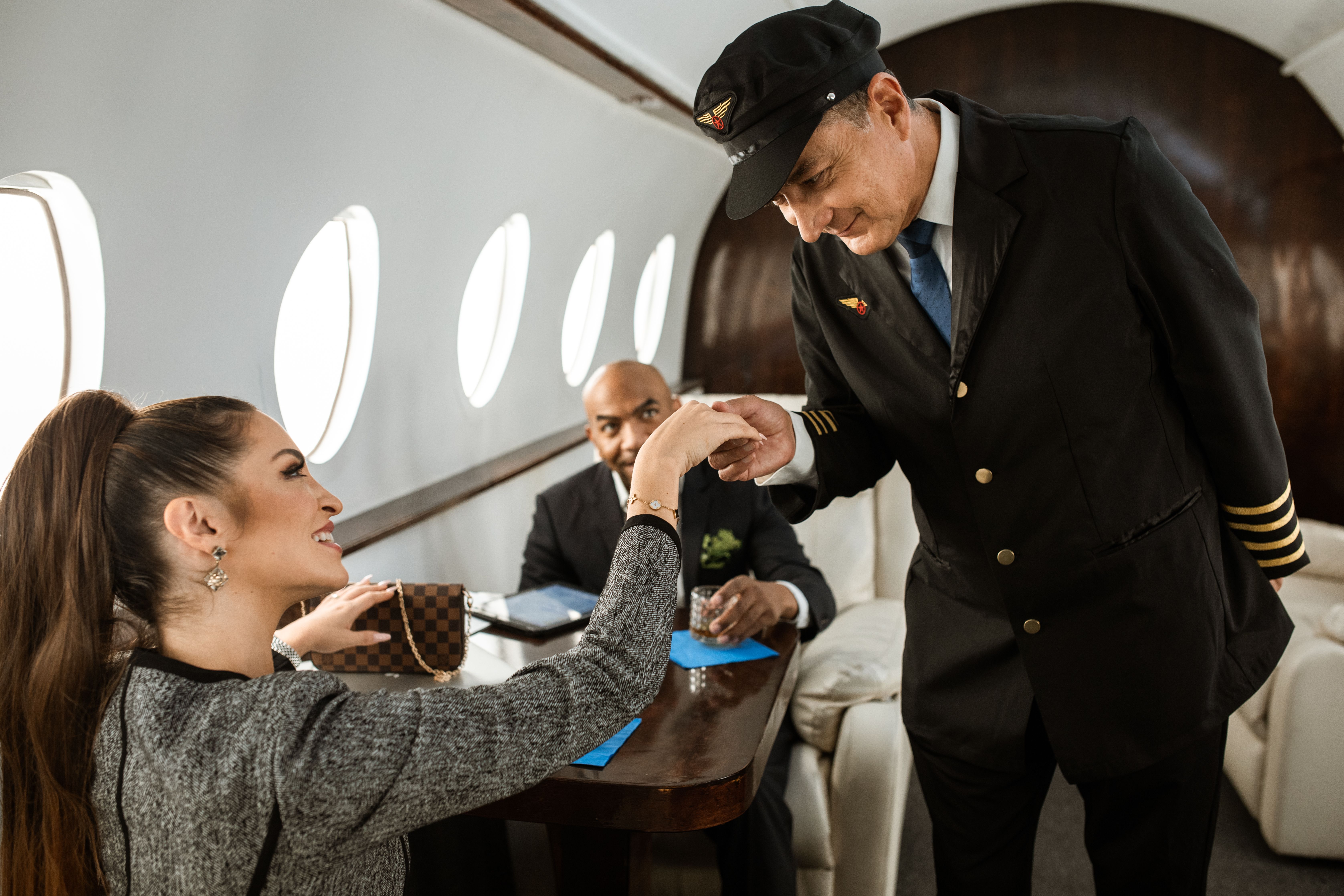
The opportunity cost question is real: those 80,000 miles that buy one business class ticket to Asia could instead buy three economy tickets to Europe, or cover four domestic round-trips, or fund hotel nights in properties that would otherwise cost $400 a night. The correct choice depends on your travel pattern. If you take one international trip per year and six domestic hops, spending your miles on the single premium international redemption probably maximizes well-being. If you take ten short trips and no long-haul flights, domestic economy awards make more sense.
Which Airlines Have the Best Award Availability?
Availability is not customer service. It's inventory management, and it reflects each airline's calculation about how many seats they can afford to give away versus sell. That calculation changes with load factors, route competition, and partnership agreements, so no airline is universally "good" or "bad" for awards. But patterns emerge over time.
Alaska Airlines publishes award charts, offers reasonable redemption rates on its own flights and partners, and maintains relatively consistent availability on its West Coast-heavy route network. Its partnership with Japan Airlines provides strong access to JAL's well-regarded business class to Asia, though competition for those seats is high.
Air Canada Aeroplan rebuilt its program in 2020 with distance-based pricing and dynamic availability. The result is a program that often, not always, releases more business class space than United or American on transatlantic routes, particularly on Air Canada metal and European partners like Lufthansa and Swiss. Aeroplan also prices one-way awards independently, which adds routing flexibility.
ANA Mileage Club prices awards via published charts and provides access to Star Alliance inventory, including United's long-haul routes. Award space on ANA's own flights is limited, but when available it's priced reasonably, often lower than United charges for the same route. The program's major limitation is that it requires round-trip bookings for most partner awards, which reduces flexibility.
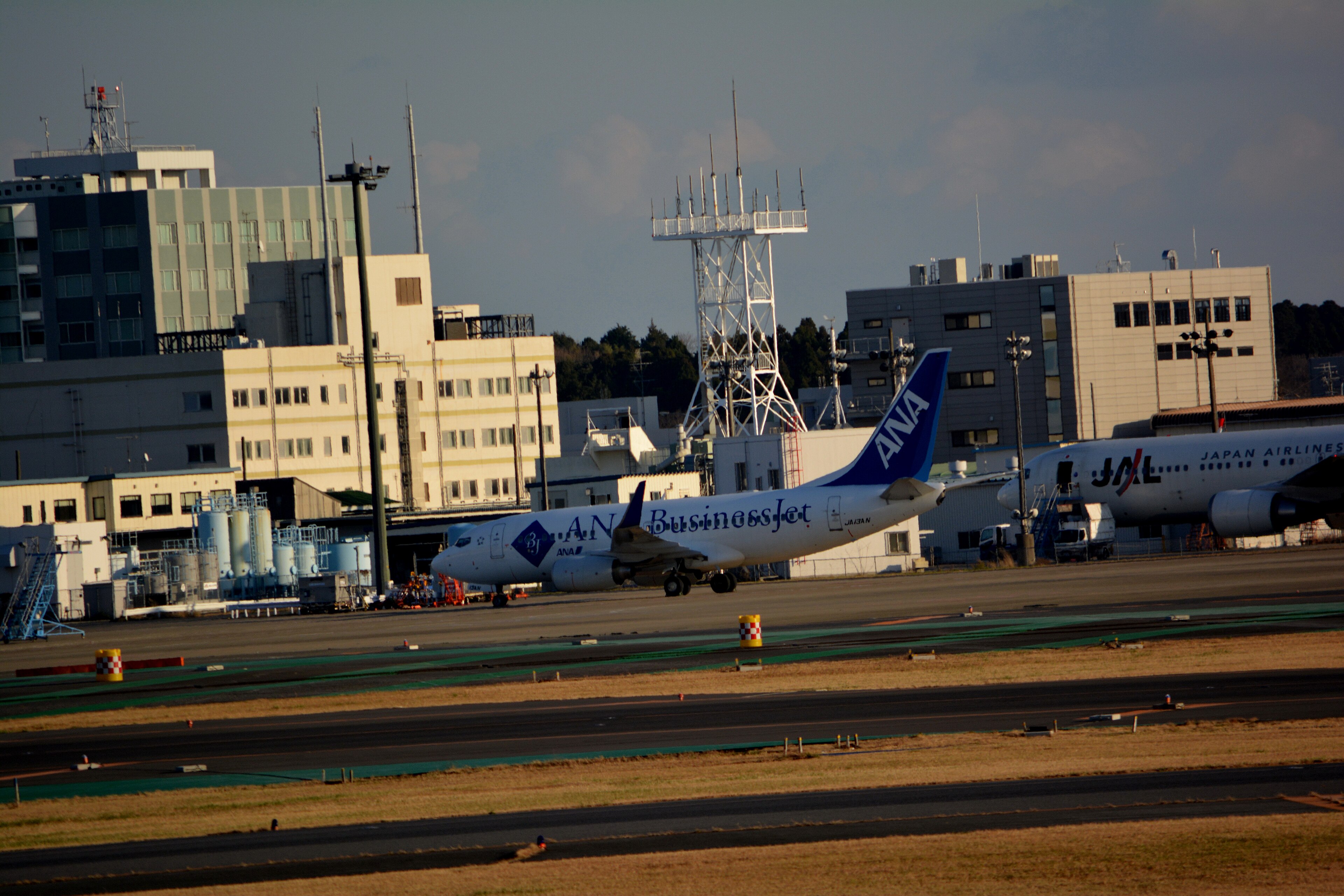
American AAdvantage maintains a broad network of partners including Qatar, Japan Airlines, and British Airways. Award availability on American's own long-haul flights has tightened in recent years, but partner space, especially on Qatar's excellent business class product to the Middle East, Africa, and Asia, often appears when American metal doesn't. The program's Web Special awards occasionally offer reduced mileage rates on off-peak routes.
United MileagePlus moved to dynamic pricing in late 2019, meaning award costs fluctuate with demand. But the program still releases predictable saver-level space on many long-haul routes, and its partnership portfolio, Lufthansa, Swiss, Austrian, Air Canada, ANA, provides broad coverage across Europe and Asia. United's Excursionist Perk allows a free one-way segment within a multi-ticket itinerary, which can meaningfully reduce the total mileage cost of complex trips.
Programs to approach with caution: Delta eliminated award charts entirely in 2015 and now prices awards based on cash fare and demand, which means occasional deals but no predictability. British Airways uses distance-based pricing that heavily penalizes long-haul direct flights, making it most useful for short regional hops within Europe or Asia rather than transatlantic or transpacific travel. Air France-KLM Flying Blue offers periodic transfer bonuses and discounted Promo Rewards, but availability outside those windows can be sparse.
The Practical Framework
Start with a specific trip, a destination, approximate dates, and a realistic assessment of whether a premium cabin changes the experience enough to matter. Search award availability across the airlines you can access through your points portfolio. If multiple programs show space on acceptable flights, choose the one with the lowest mileage cost or best routing. Transfer points only after confirming the specific award you want is bookable, and complete the booking immediately after transfer.
If no availability exists on your preferred dates, expand the search window by a few days in either direction. Business class award space often clusters around mid-week departures rather than weekend peaks. If your schedule is rigid and nothing appears, consider whether repositioning to a different departure city opens new options, sometimes flying economy to a hub and then business class internationally costs fewer total miles and less frustration than trying to force a direct departure from a secondary city.
Taxes and carrier-imposed surcharges vary wildly by program and routing. British Airways infamously adds $700+ in fuel surcharges on its own transatlantic flights even when booking with miles, while the same route on American metal might incur only $80 in taxes. United generally adds $100 to $200 on international awards; Air Canada similar. Before transferring points, complete the booking path far enough to see the cash component due at checkout.
Don't chase status unless your employer pays for weekly travel. The marginal benefits of elite status, upgrades, boarding priority, lounge access, sound appealing but rarely justify the incremental spending required to qualify. A traveler taking three work trips and one vacation per year will spend more money chasing Gold status than they'd save from the benefits. Instead, focus on accumulating transferable points through everyday spending and credit card welcome bonuses, then deploy them on the single best redemption your travel pattern allows each year.
This isn't a hobby. It's a tactic for civilizing long-haul travel without paying irrational cash premiums. The goal is one good decision annually, not a lifestyle of optimization. Book the flight that lets you sleep on the way to Tokyo, then close the browser and think about something else.
Sources
- Credit card transferable points partnerships: Chase Ultimate Rewards, American Express Membership Rewards, Capital One, and Citi ThankYou published partner lists
- Airline published award charts: United MileagePlus, American AAdvantage, Alaska Mileage Plan, Air Canada Aeroplan, ANA Mileage Club, Singapore KrisFlyer published redemption rates
- Airline award chart data: Comparative analysis of published award pricing across Star Alliance, Oneworld, and SkyTeam member programs
Frequently asked questions
How do I book first class with miles?
{"question":"How do I book first class with miles?","answer":"Book directly through your airline's website or mobile app by selecting award travel as your payment method, then filter for first class availability. For premium cabin access, consider calling the airline's concierge desk, as agents often have visibility into additional inventory not shown online."}
What's the best use of points for first class?
{"question":"What's the best use of points for first class?","answer":"First class is most valuable on long-haul international routes where premium cabin amenities justify the award cost, particularly on carriers with superior products like Singapore Airlines or Japan Airlines. Short-haul first class offers less tangible value per point unless you're chasing elite status quickly."}
How many miles for international business class?
{"question":"How many miles for international business class?","answer":"Most major carriers charge 80,000–120,000 miles for business class on transatlantic flights and 100,000–150,000 for transpacific routes, though prices vary by airline and season. Premium cabin award pricing is dynamic, so booking at off-peak times can yield better value."}
Are first class award redemptions worth it?
{"question":"Are first class award redemptions worth it?","answer":"First class redemptions offer exceptional value on ultra-long routes (10+ hours) where the premium cabin experience is transformative, with award costs typically representing a 2–4x better value than paid tickets. On shorter routes, business class often provides nearly equivalent comfort for significantly fewer points."}
Which airlines have the best award availability?
{"question":"Which airlines have the best award availability?","answer":"Singapore Airlines, Japan Airlines, and Qatar Airways consistently offer strong first class availability on premium routes, while US carriers like American and United provide deeper inventory through their larger networks. Smaller alliances like SkyTeam can surprise with inventory gaps competitors don't fill, particularly on off-peak dates."}
Sources and references
- Airline award charts
- transferable points partnerships
- industry redemption data
- U.S. DOT Final Rule on automatic refunds