Business class redemptions in 2026 typically require 50,000 to 80,000 miles for a one-way ticket to Europe, 70,000 to 110,000 miles to Asia, and 25,000 to 40,000 miles for domestic transcontinental routes[1]. Those figures represent the starting point, not the ceiling. Award charts shift constantly, partner availability creates sweet spots, and the same route can cost double depending on which program you use. Understanding how many miles for business class you'll actually need means learning where the gaps and opportunities hide in 2026's loyalty landscape.
The Real Numbers: What Business Class Actually Costs by Region
United MileagePlus charges 70,000 miles one way from the U.S. to Western Europe in business class on its own metal, while the same route on a Lufthansa partner flight costs 77,000 miles through the same program[1]. American AAdvantage prices Europe business at 57,500 miles off-peak and 75,000 miles peak, creating a 17,500-mile swing based purely on timing. Delta SkyMiles abandoned award charts entirely, so the same New York to Paris business class seat might cost 60,000 miles in February or 250,000 in July.
Asia routes demand more. American charges 80,000 to 110,000 miles for business to Japan or Korea depending on the season, while United asks 80,000 to 90,000 miles for similar routes[1]. Southeast Asia often falls into the same bracket, though Singapore and Bangkok sometimes price at the lower end. Australia and New Zealand push costs higher still, usually starting at 90,000 miles and climbing past 120,000 on many programs.
Domestic business class offers the clearest value comparison. Transcontinental routes like New York to Los Angeles cost 25,000 to 40,000 miles one way across most carriers, a range narrow enough to make direct comparisons meaningful. Shorter domestic flights rarely justify business class redemptions at all, since the hard product seldom differs enough from economy to warrant the miles.
Partner Airlines Deliver the Best Business Class Sweet Spots
Transferable points ecosystems create opportunities airline programs can't match. Chase Ultimate Rewards, Amex Membership Rewards, and Capital One Miles all transfer at 1:1 ratios to multiple airline partners, letting you shop the same flight across different award charts[3]. A business class seat to Tokyo might cost 110,000 United miles but only 70,000 Virgin Atlantic points when booked on the same ANA flight.

ANA's own program charges as little as 55,000 miles for U.S. to Japan business class on its round-trip awards, translating to 27,500 per direction when you book both ways[2]. Air France-KLM Flying Blue frequently runs Promo Rewards that drop transatlantic business class to 34,000 miles one way, roughly half the standard rate. Turkish Miles&Smiles prices business to Europe at 45,000 miles, undercutting American carriers by 15,000 to 30,000 miles on identical Star Alliance flights. For broader insight into maximizing premium cabin awards, our guide to first class award travel explores similar strategies one cabin higher.
Searching for Business Class Award Space Requires Strategy, Not Luck
Award availability determines whether you can use miles at all, making search skills more valuable than point balances. Airlines release business class award seats months in advance, but the number of seats varies wildly by route, season, and program. United typically opens partner award space 337 days out, while Delta releases its own inventory on a rolling basis with no predictable pattern. American posts some partner awards at 331 days but holds back premium cabin space on competitive routes until closer to departure.
Flexible search tools save hours of manual checking. United's website shows availability across all Star Alliance partners in a single search, letting you compare Lufthansa, Swiss, and ANA options simultaneously[2]. British Airways lets you search Oneworld availability without transferring points first, useful for scouting Japan Airlines or Qantas space before committing. Air Canada's Aeroplan search engine displays multiple alliance partners with transparent pricing, though you'll need to create a free account to see results.
Partner space often appears where direct airline inventory doesn't. A sold-out United business class flight to Frankfurt might have wide-open Lufthansa award space on the same route and date, bookable through United miles at a modest surcharge. Similarly, American's own metal to Tokyo might show zero availability while Japan Airlines has four business seats open on a parallel schedule. Checking multiple programs for the same underlying flight regularly uncovers options the operating carrier's website hides.
These Factors Make Business Class Redemptions Cost More or Less
Routing rules create opportunities and landmines in equal measure. Some programs allow stopovers, letting you visit two cities for the price of one award. Others charge by segment, making a connection costlier than a nonstop. ANA permits one stopover on round-trip awards, so you could route New York to Bangkok via Tokyo, spend a week in Japan, then continue to Thailand all on the same 90,000-mile redemption. United and American mostly eliminated free stopovers years ago, though strategic connections still work for positioning.
Peak and off-peak pricing swings create enormous value gaps. British Airways Avios charges 50% more for summer Europe travel than winter, turning a 26,000-mile redemption into a 39,000-mile booking just by crossing a calendar threshold. American's off-peak rates to Europe save 17,500 miles per ticket compared to peak dates, enough for an additional short-haul flight. Delta's dynamic pricing makes seasonality even more pronounced, with some routes tripling in cost during holidays. To understand the underlying value of what you're spending, our analysis of airline mile valuations breaks down the real dollar equivalents.

Fuel surcharges destroy the value of otherwise attractive redemptions. British Airways imposes over $600 in carrier-imposed fees on transatlantic business class awards, effectively requiring both miles and near-ticket prices. Lufthansa adds similar surcharges on European routes. Programs that don't pass along fuel surcharges include United, American (on most partners), Air Canada, and ANA, making them superior choices even when base mileage costs run slightly higher[2].
Calculating Whether Your Miles Justify the Business Class Spend
Business class needs to deliver at least 1.5 cents per mile in value to beat alternative uses for your points. A United business class ticket to Europe costing $4,000 at 70,000 miles yields 5.7 cents per mile, an excellent return. That same route in economy might cost $800 at 30,000 miles, delivering only 2.7 cents per mile but requiring 40,000 fewer points. The math favors business when cash prices run high and award availability stays in the standard range.
Consider these value benchmarks when deciding whether to redeem:
- Above 4 cents per mile: exceptional value, book immediately if the route and dates work
- 2 to 4 cents per mile: solid redemption, comparable to good transferable points uses
- 1 to 2 cents per mile: marginal value, often better to save miles or use a credit card with strong earnings
- Below 1 cent per mile: poor value, almost always better to pay cash and earn miles instead
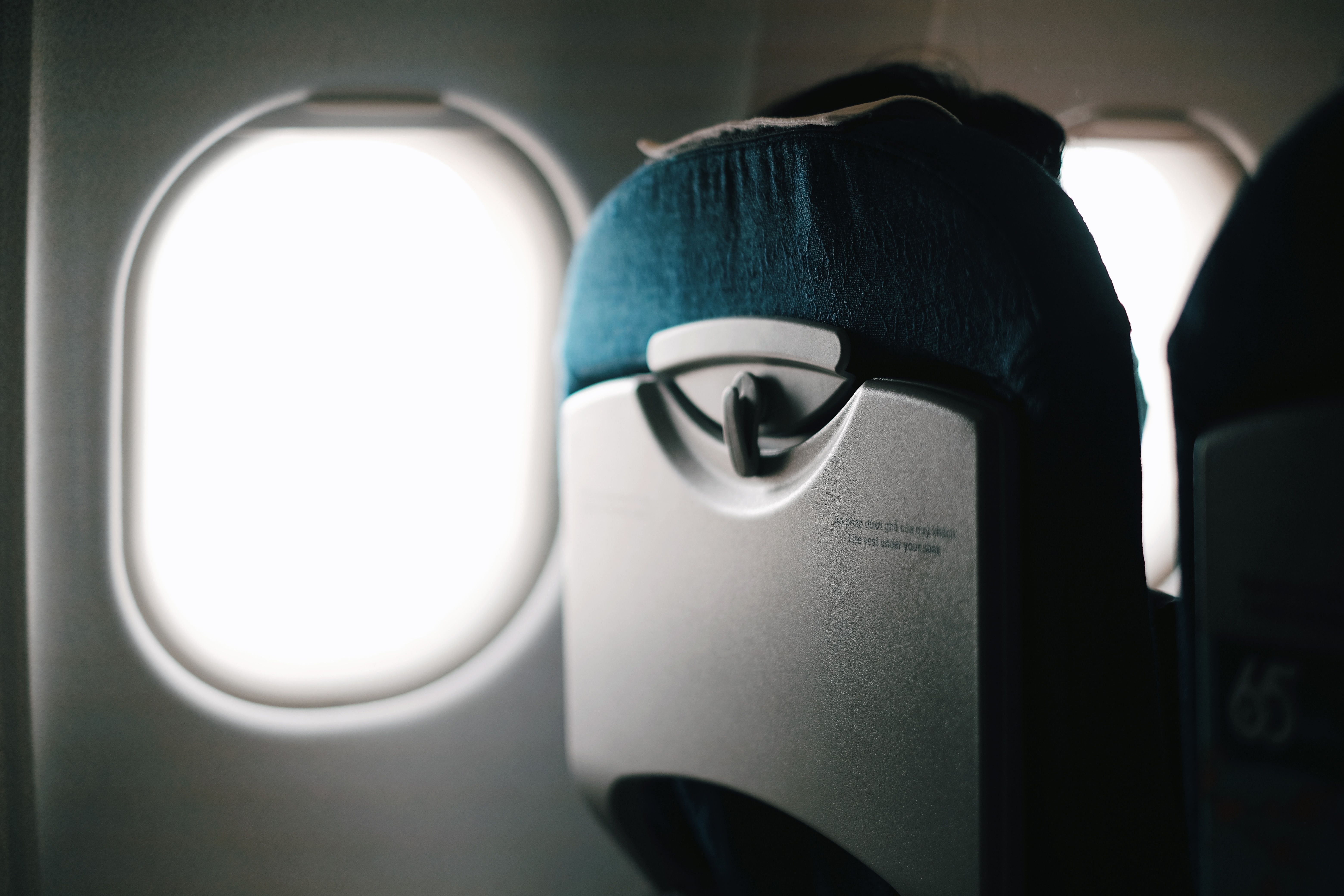
Long-haul flights justify higher mileage costs more readily than short hops. Eight hours in a lie-flat seat crossing the Atlantic transforms the travel experience in ways a two-hour domestic flight in slightly wider seats cannot match. The physical comfort gain alone makes 70,000 miles for transatlantic business defensible, while 25,000 miles for three hours to Chicago often feels wasteful.
Book These Routes Now Before Award Charts Shift Again
Start with transferable points if you haven't committed to a single airline program yet. Chase Ultimate Rewards, Amex Membership Rewards, and Capital One Miles give you access to dozens of airline partners simultaneously, letting you book whichever program prices your route lowest[3]. Transfer only what you need for a specific booking rather than speculatively moving points before you've confirmed availability. Most transfers complete within hours, though some partners take up to three days during peak periods.
Search award space before choosing which program to use. Pull up the same route across three or four partner airlines to see where availability actually exists. A London flight might show zero British Airways space but wide-open Aer Lingus availability bookable through the same Avios currency at lower cost. Tokyo routes often have better Japan Airlines space than American's own flights, yet both book through AAdvantage miles[2].
Set alerts for routes you want but can't find yet. ExpertFlyer and AwardHacker automate availability monitoring, sending notifications the moment business class space opens on your target flights. Many redemptions only become possible because someone canceled weeks before departure, freeing up a seat you can grab if you're watching closely. Award space also tends to open roughly two weeks before departure when airlines release unsold inventory, creating last-minute opportunities for flexible travelers.
Consider positioning flights to access better programs. Flying to Montreal lets you book through Aeroplan with its generous stopover rules and reasonable partner pricing. A cheap ticket to Mexico City opens Aeromexico's partnership with Delta and Air France, sometimes revealing space unavailable through U.S. portals. Geography matters less when you can book partners globally.
What You Lose When Airlines Cancel or Downgrade Your Business Class Award
Airlines occasionally cancel award bookings or downgrade you from business to economy when aircraft swaps eliminate premium cabins. You're entitled to a full refund of miles and fees when the airline cancels, but proactive rebooking on an alternate flight often works better than waiting for automatic processing. Call immediately when you receive a schedule change notification rather than letting the airline's systems make rebooking decisions for you.
Involuntary downgrades from business to economy require partial refunds of the mileage difference, though policies vary by carrier[1]. United typically refunds the mile difference between cabins automatically, while other airlines require you to request the adjustment. Document everything when a downgrade occurs, including the original booking confirmation and the new ticket showing economy class. When operational problems affect your premium cabin flight, compensation rules for delays still apply regardless of whether you paid cash or miles.
Business class redemptions reward strategic planning more than point hoarding. The travelers who consistently find 50,000-mile transatlantic seats or 70,000-mile Pacific crossings don't necessarily have the largest balances. They know which programs price which routes favorably, they search partners instead of only direct airlines, and they book the moment availability appears rather than waiting for perfect dates. Your miles work harder when you do.
Frequently asked questions
How many miles do I need for business class to Europe?
{"question":"How many miles do I need for business class to Europe?","answer":"Most premium airlines require 120,000–150,000 miles for business class roundtrip to Europe from North America, though off-peak fares can dip to 100,000 miles. Prices vary significantly by airline and season, so checking multiple programs' award charts is essential."}
How many miles for business class to Asia?
{"question":"How many miles for business class to Asia?","answer":"Expect 140,000–180,000 miles for business class to Asia on most carriers, with premium routes to Japan or Australia reaching the higher end. Off-peak redemptions can occasionally be found for 120,000 miles, but availability is limited."}
What is the cheapest business class redemption?
{"question":"What is the cheapest business class redemption?","answer":"Short-haul business class awards typically cost 25,000–50,000 miles, making them excellent value. For long-haul, transfer-partner programs like American Express Membership Rewards sometimes offer slightly better rates than major carrier programs when booking strategically."}
Is business class worth the miles?
{"question":"Is business class worth the miles?","answer":"Business class redemptions offer exceptional value if the paid ticket costs $3,000+—the cabin experience and premium services justify the mile expense. However, on routes where premium economy or paid upgrades are available cheaply, you may get better value elsewhere."}
How do I find business class award availability?
{"question":"How do I find business class award availability?","answer":"Check award calendars directly on airline websites, use third-party tools like ExpertFlyer or Hopper for multi-carrier visibility, and set alerts for your desired routes. Early morning searches and flexibility with dates significantly improve your chances of finding premium cabin seats."}
Sources and references
- United, American, Delta award charts 2026
- Star Alliance, Oneworld, SkyTeam partner redemptions
- Chase Ultimate Rewards, Amex Membership Rewards, Capital One Miles transfer ratios
- U.S. DOT Final Rule on automatic refunds