Every century since the Middle Ages, Paris has demolished, rebuilt, and reborn itself, creating the layered city travelers explore today. From Roman baths still standing beneath modern streets to Haussmann's grand boulevards that sliced through medieval quarters, Paris through the ages reveals itself in distinct architectural strata that remain visible across arrondissements. Understanding how Paris changed over time transforms a casual visit into a journey through two millennia of urban reinvention. The capital you see today is not one Paris but dozens, each century leaving its signature in stone, iron, and glass.
The Medieval Core Survives in Sainte-Chapelle and Notre-Dame
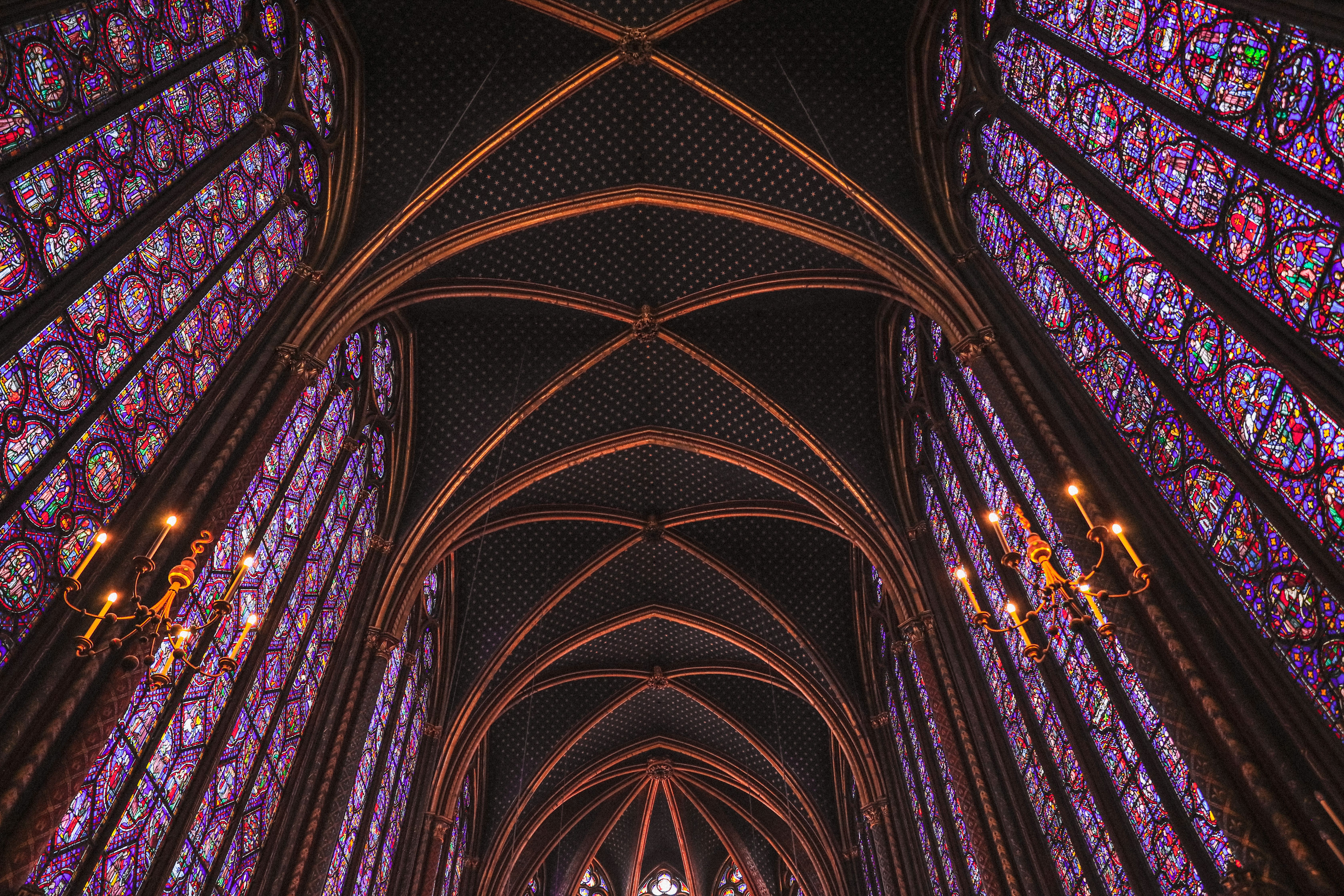
The twelfth and thirteenth centuries gave Paris its Gothic identity, and the Île de la Cité remains the heart where that medieval layer is most visible. Notre-Dame, begun in 1163, defined French Gothic architecture for the next two centuries, while Sainte-Chapelle (1248) demonstrates the technical ambition of the era with its floor to ceiling stained glass. These structures survived because they served continuous religious functions and enjoyed royal protection[1]. Walking the narrow streets of the Latin Quarter, particularly along Rue de la Huchette and Rue Galande, reveals the medieval street grid that resisted later urban planning efforts.
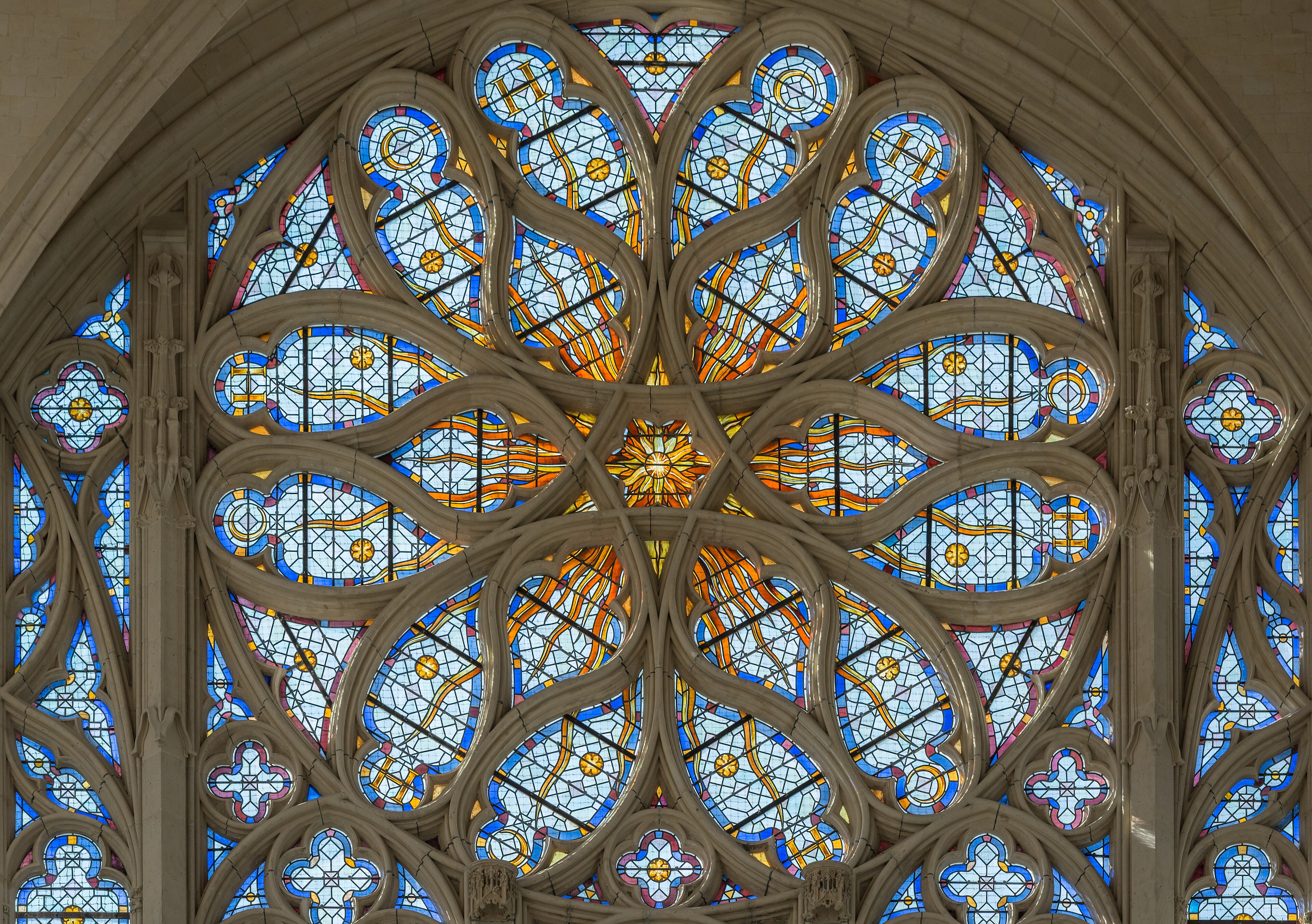
The Musée National du Moyen Âge houses the Thermes de Cluny, Roman baths from the first century that Parisians incorporated into medieval structures rather than demolishing them. This pattern of preservation through reuse appears throughout Paris history by century, creating the archaeological depth that distinguishes it from cities that chose wholesale reconstruction. The Marais district preserves the best collection of medieval to Renaissance architecture in central Paris, protected from nineteenth-century demolition by its unfashionable status during the Haussmann era.
Renaissance Elegance Transformed the Right Bank
The sixteenth and seventeenth centuries brought Italian Renaissance ideas to Paris, visible in the Place des Vosges (1612) and the Palais du Louvre's transformation from fortress to palace. Henri IV's urban planning introduced the concept of the planned royal square, a model that would influence Paris architecture history for three centuries[2]. The Marais became the fashionable district for aristocratic hôtels particuliers, private mansions that line Rue des Francs-Bourgeois and Rue de Sévigné today.
Luxembourg Palace (1625) and Val-de-Grâce (1645) demonstrate the classical French Baroque style that emerged as Paris architects adapted Italian models. These buildings established proportions and decorative vocabularies that became templates for institutional architecture across France. Travelers exploring visiting historic Paris find this Renaissance layer most accessible in the Marais, where restored mansions now house museums including the Musée Carnavalet and Musée Picasso, allowing interior exploration of period architecture[2].
Louis XIV and Louis XV Imposed Grand Classical Order
The seventeenth and eighteenth centuries saw absolutist monarchy reshape Paris into a stage for royal power, with monumental projects that required demolishing entire neighborhoods. The Invalides complex (1671) provided both a military hospital and a domed church that established the Left Bank as a zone of classical monumentality. Louis XIV moved his court to Versailles but continued investing in Parisian prestige projects, including Place Vendôme (1699), designed as a perfectly symmetrical octagonal square surrounded by uniform façades that concealed irregular buildings behind[3].
The École Militaire (1750) and Place de la Concorde (1755) extended this classical vocabulary across vast open spaces, replacing the dense medieval fabric with vistas designed for processions and ceremonies. These projects introduced urban planning principles that prioritized sightlines, symmetry, and the visual dominance of royal monuments. Travelers interested in how Paris changed over time can trace this transformation by walking from the intimate scale of the Marais to the expansive geometry of the Champs-Élysées, which began as a westward extension of the Tuileries Garden in the 1670s.
The Panthéon (1790), originally commissioned as the Church of Sainte-Geneviève, demonstrates the late eighteenth-century neoclassical turn that looked to ancient Greece and Rome rather than Italian Renaissance models. This shift coincided with Enlightenment philosophy and prepared the aesthetic ground for post-Revolutionary civic architecture. Disrupted travel plans to these historic sites can sometimes qualify for compensation when flight delays exceed regulatory thresholds, particularly on EU-regulated carriers serving Charles de Gaulle.
Napoleon Reshaped the City Into an Imperial Capital
The early nineteenth century brought Napoleonic ambitions that manifested in triumphal arches, commemorative columns, and the beginning of systematic urban infrastructure improvements. The Arc de Triomphe (begun 1806) anchored the western terminus of a monumental axis that would eventually extend from the Louvre to La Défense. Napoleon's projects emphasized military glory and Roman imperial precedent, creating a visual vocabulary distinct from royal classicism[3].
Key Napoleonic additions to the Paris streetscape include:
- Arc de Triomphe du Carrousel (1808), framing the Tuileries approach
- Colonne Vendôme (1810), cast from captured Austrian and Russian cannons
- Rue de Rivoli arcades (begun 1802), establishing covered shopping streets
- Canal Saint-Martin (1825), improving water supply and transport
- Pont des Arts (1804), the first iron pedestrian bridge
These projects introduced new materials and engineering techniques while maintaining classical ornamental language. The Napoleonic era bridges and canals remain functional infrastructure today, demonstrating the engineering competence that accompanied the aesthetic ambition. Understanding this layer helps travelers recognize how utilitarian improvements shaped Paris architecture history as much as monuments did.
Haussmann's Boulevards Demolished Medieval Paris
Baron Haussmann's transformation between 1853 and 1870 represents the most radical restructuring in Paris history, demolishing approximately sixty percent of central Paris buildings to create the wide boulevards, uniform façades, and open sightlines that define the city today[2]. Napoleon III commissioned Haussmann to modernize infrastructure, improve public health, and incidentally make revolutionary barricades impossible to construct. The result was a comprehensive reimagining that prioritized circulation, sanitation, and bourgeois residential comfort.
Haussmann imposed strict regulations governing building height, façade composition, and materials, creating the visual uniformity that gives Paris its distinctive coherence. Buildings typically rise six stories with mansard roofs, cream limestone façades, and iron balconies at the second and fifth floors. This template applied across 137 kilometers of new boulevards, from Boulevard Saint-Germain to Boulevard Haussmann. Travelers seeking compensation for hotel overbooking situations in these historic Haussmann-era buildings have the same consumer protections as in modern properties, despite the architectural heritage.
The Belle Époque Through Art Nouveau Left Iron and Glass Landmarks
The late nineteenth and early twentieth centuries brought technological optimism expressed through exposed metal structures and decorative glass, creating monuments that celebrated modern engineering. The Eiffel Tower (1889) shocked traditionalists who considered iron frameworks inappropriate for monumental architecture, yet it became the defining symbol of Paris architecture history. Grand Palais and Petit Palais (1900) combined Beaux-Arts stone façades with soaring glass and iron roofs, reconciling classical proportions with industrial materials[3].
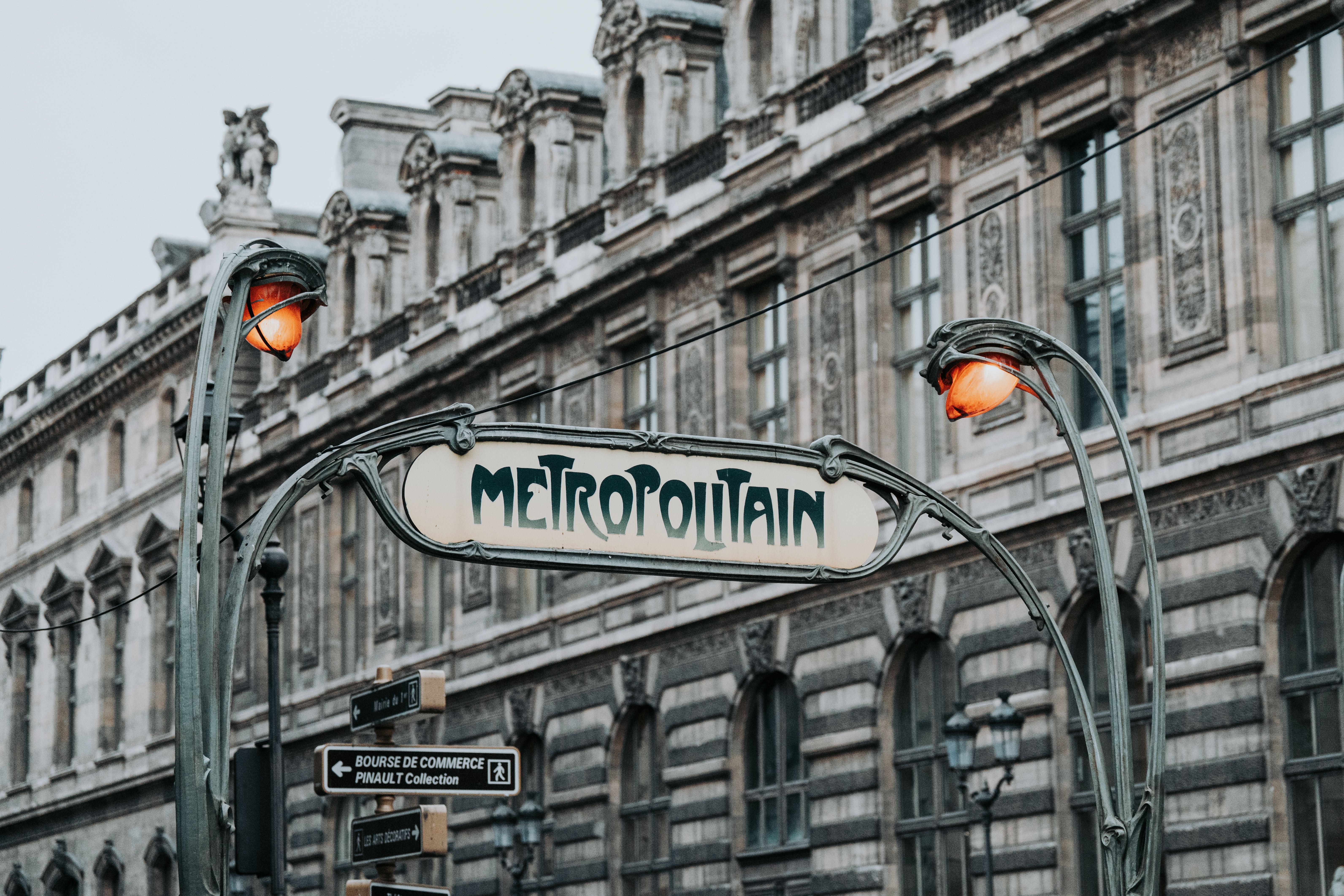
Art Nouveau metro entrances designed by Hector Guimard between 1900 and 1912 transformed functional infrastructure into organic sculpture, with sinuous green metalwork framing station entries at Abbesses and Porte Dauphine. Department stores including Galeries Lafayette (1912) exploited the structural possibilities of iron frames to create vast shopping halls beneath stained glass domes. This layer remains highly visible to travelers because these structures served commercial and transport functions that kept them in continuous use, unlike aristocratic residences that often succumbed to redevelopment pressure.
Sacré-Cœur Basilica (1914), though stylistically backward-looking in its Romano-Byzantine design, represents the same era's capacity for massive construction projects. Montmartre preserves Belle Époque Paris most completely, with cabarets, artist studios, and vine-covered streets that evoke the period when this hilltop village existed outside municipal boundaries. Travelers facing missed connection compensation claims due to delays at Paris airports should document their arrival times carefully, as EU regulations provide specific passenger protections.
Modern and Contemporary Paris Layers Continue Above and Below
Twentieth and twenty-first century additions include the Modernist Cité Universitaire campus (1920s), Tour Montparnasse (1973), Centre Pompidou (1977), Louvre Pyramid (1989), and Fondation Louis Vuitton (2014), each provoking controversy before achieving acceptance. The pattern repeats across centuries: bold contemporary interventions initially face resistance, then become beloved landmarks that future generations consider essential to Parisian identity[1].
Underground, the Métro system begun in 1900 now comprises sixteen lines carrying four million daily passengers through infrastructure largely invisible except at platform level. Les Halles shopping complex occupies the site of the demolished nineteenth-century market pavilions, demonstrating that preservation battles are not always won. La Défense business district, developed since the 1960s beyond the historic core, concentrates high-rise towers where they cannot disrupt central Paris sightlines, a compromise that protects the UNESCO World Heritage riverfront[1].
To experience Paris through the ages effectively, dedicate separate days to distinct historical strata rather than attempting chronological surveys. Spend one morning in the Latin Quarter tracing Roman and medieval remains, another afternoon following Haussmann boulevards from Opéra to Nation, and a third day exploring Art Nouveau details in the 9th and 18th arrondissements. This approach allows each historical layer to reveal its logic and aesthetic before moving to the next, creating a cumulative understanding of how Paris reinvented itself without erasing its past entirely.
Sources and references
- UNESCO World Heritage Centre
- Musee Carnavalet Paris history collections
- Paris tourism office historical records
- U.S. DOT Final Rule on automatic refunds