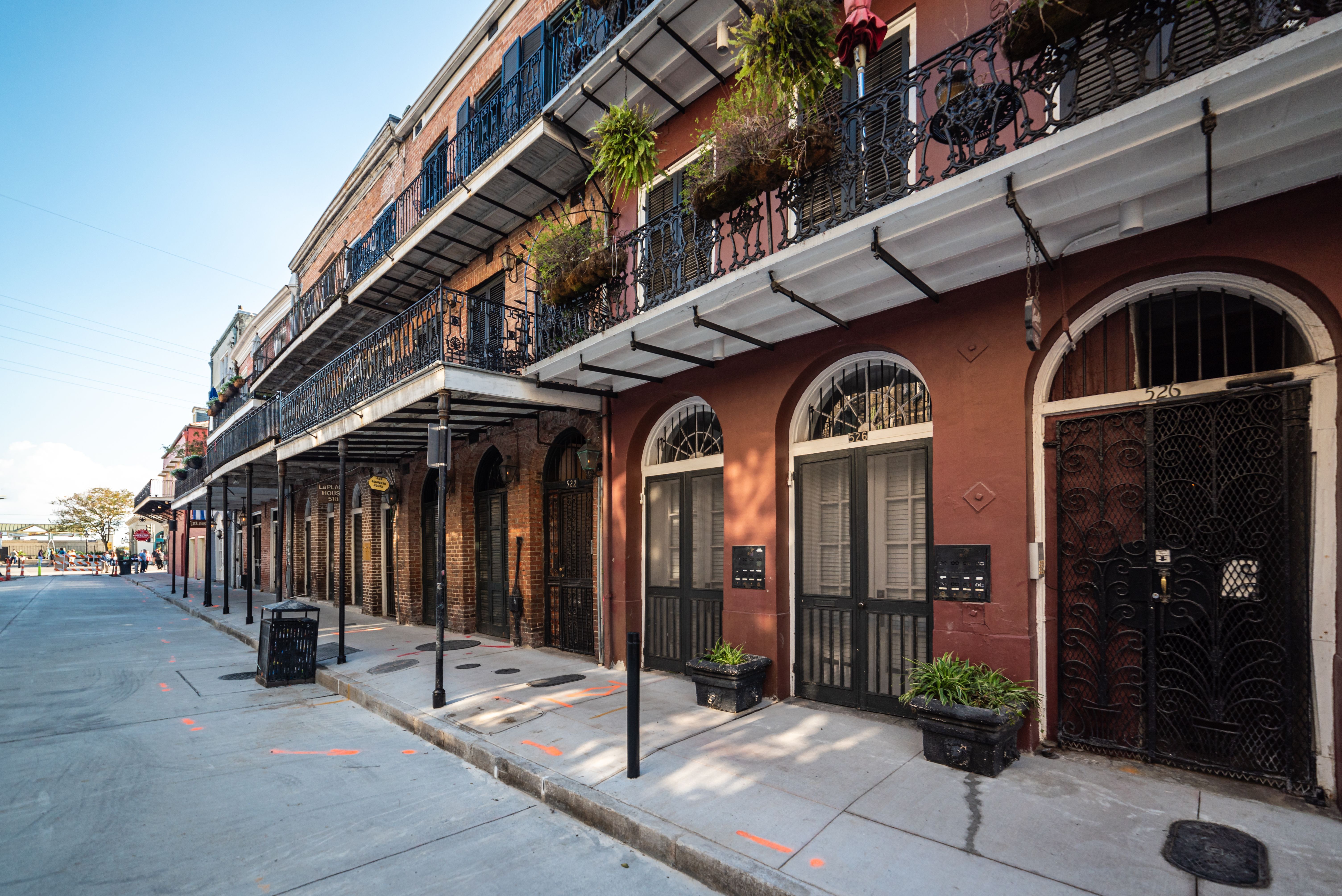
Walk through the French Quarter today and you are stepping on eight flags, three colonial powers, and a cultural fusion older than the United States itself. New Orleans history culture layers begin in 1718, when French colonists carved a crescent settlement from swampland, then deepen through Spanish rule from 1763 to 1803, African and Caribbean migration, and finally American annexation. No other American city preserves so many eras in a single neighborhood, where wrought iron balconies mark Spanish builders, street names honor French saints, and Creole cottages shelter the descendants of free people of color who owned property before the Louisiana Purchase. The result is a living museum where travelers experience four centuries without entering a single exhibition hall.
Four Flags in Eighty Years
France claimed the site in 1718, naming it La Nouvelle-Orléans after Philippe II, Duke of Orléans. Engineers laid out a grid along the Mississippi River bend, establishing what is now the French Quarter, though most original wooden structures burned in the fires of 1788 and 1794. Spain governed from 1763 to 1803 following the Treaty of Paris, and it was Spanish builders who reconstructed the Quarter in brick and stucco, added the iron balconies travelers associate with the French, and codified property rights that allowed free people of color to own real estate and operate businesses. France reclaimed the colony for three weeks in November 1803, then sold it to the United States for fifteen million dollars on December 20, 1803, completing the Louisiana Purchase. The city officially became American on March 10, 1804, but retained civil law derived from the Napoleonic Code rather than adopting English common law.
This rapid succession left architectural and legal sediment. The Louisiana State Museum documents how Spanish colonial law permitted more racial mobility than English codes, creating a three-tier society where gens de couleur libres (free people of color) formed a prosperous middle class of artisans, property owners, and musicians. Their influence shaped everything from ironwork patterns to musical traditions, and their descendants still live in neighborhoods like Tremé, established in 1812 as one of America's oldest African American communities.
The Geographic Layers Travelers Walk Today
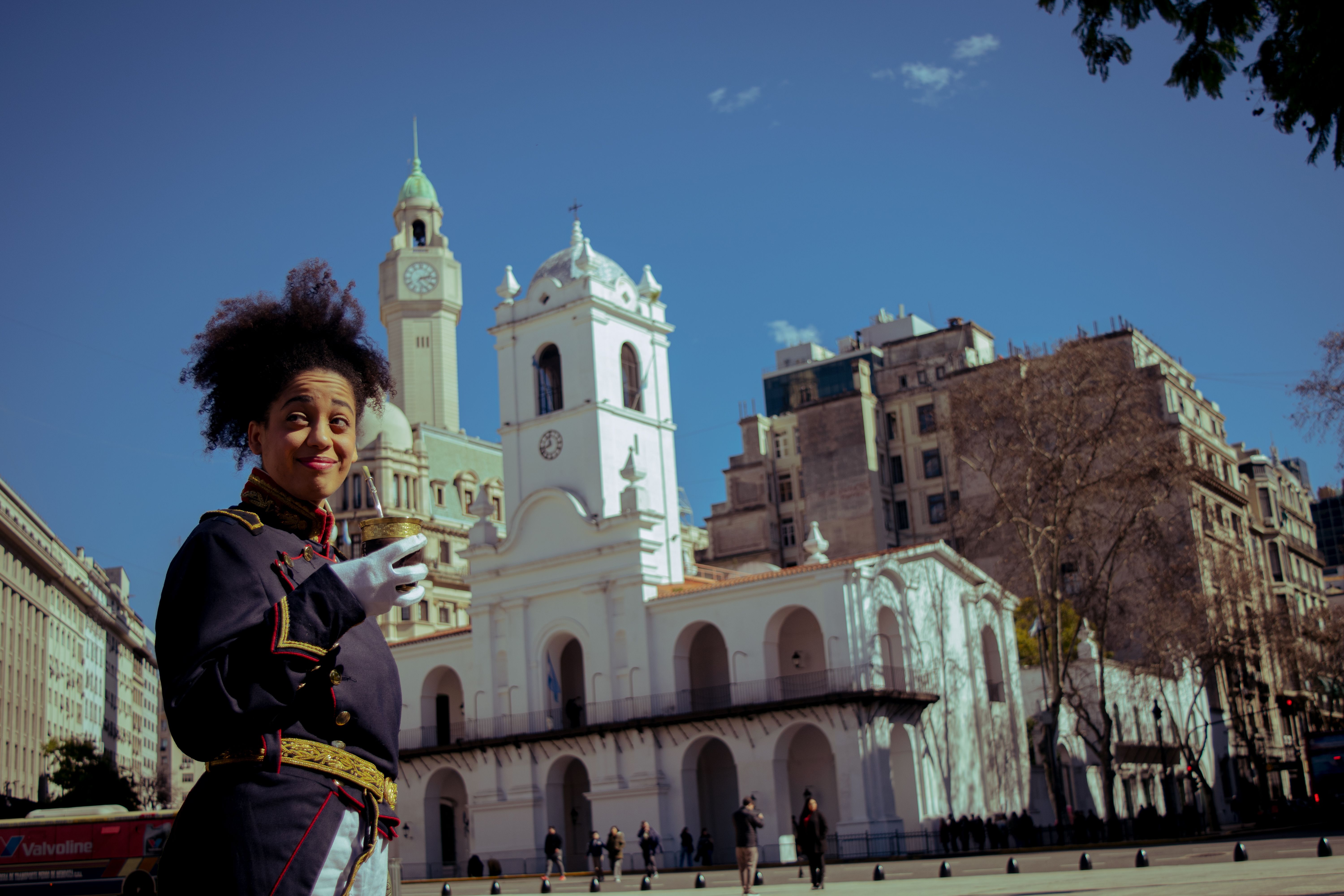
The French Quarter, officially the Vieux Carré, remains the densest colonial archive, with Spanish-era buildings lining nearly every block between Canal Street and Esplanade Avenue. St. Louis Cathedral, rebuilt under Spanish rule in 1794, anchors Jackson Square, where street performers and artists now occupy space once reserved for military parades and public executions. The Cabildo, where the Louisiana Purchase was signed, and the Presbytère flank the cathedral, both Spanish colonial structures now operated by the Louisiana State Museum. Walk three blocks north to Rampart Street and you enter Tremé, where brass bands still parade on Sunday afternoons, continuing West African funeral traditions documented by the National Park Service New Orleans Jazz Historical Park. The Creole cottages here, with their steep roofs and front-room commerce, date to the early 1800s and show how free people of color built wealth before the Civil War erased legal distinctions.
Garden District and Uptown: The American Overlay
Americans who arrived after the Louisiana Purchase could not buy property in the French Quarter, where Creole families controlled real estate. Instead, they purchased plantations upriver and subdivided them into wide avenues lined with Greek Revival mansions, creating what became the Garden District in the 1830s and 1840s. Today's visitors walk beneath oak canopies on St. Charles Avenue, passing columned homes built by cotton brokers, sugar merchants, and shipping magnates who wanted to announce their wealth in white paint and Ionic capitals. The streetcar still runs the route it has traveled since 1835, connecting Canal Street to Audubon Park, and every mansion tells the story of American capital flooding into a city that remained culturally French, Spanish, and African. New Orleans tourism historical archives show how this uptown expansion doubled the city's footprint while leaving the old Creole core intact, preserving the layered urbanism travelers experience today. If a flight delay threatens your carefully planned architecture tour, tools like the flight delay compensation calculator help you determine what airlines owe for disrupted itineraries.
What Layers Mean for the Modern Traveler
Understanding New Orleans history culture layers transforms casual sightseeing into deep reading. When you book a courtyard hotel in the Quarter, you are likely sleeping in a Spanish colonial structure rebuilt after the 1788 fire, modified by American owners in the 1840s, and updated with modern plumbing in the 1920s. Restaurants in Creole cottages on Burgundy Street occupy buildings that once housed free people of color who sold pralines and calas (rice fritters) from front windows, establishing the city's street food culture. Jazz clubs in Marigny and Tremé sit on lots where enslaved Africans gathered on Sundays in Congo Square, drumming and dancing in patterns that evolved into second lines and brass band traditions documented by the National Park Service. Each experience connects to a specific historical moment, and knowing which era shaped what you see enriches every meal, every concert, and every walk.
Travelers should approach the city's layers methodically:
- Start in the French Quarter to grasp the Spanish colonial footprint, focusing on the Cabildo, St. Louis Cathedral, and the iron balconies that define every postcard view.
- Move north into Tremé to see Creole cottages, visit the Backstreet Cultural Museum, and understand how free people of color shaped music and architecture before the Civil War.
- Walk the Garden District along Prytania Street and First Street to contrast American Greek Revival wealth with older Creole patterns, noting the wider lots and setback mansions.
- End at the National WWII Museum in the Warehouse District to see how twentieth-century industry and wartime manufacturing added another layer to the port city's identity.
This sequence moves chronologically through space, letting architecture and neighborhood character tell the story without requiring a single docent. Travelers who build extra days into their itinerary can explore Bywater's Creole working-class blocks or visit plantations upriver to see the agricultural wealth that funded every downtown mansion, but the core four neighborhoods deliver the essential narrative. If travel disruptions cut your trip short, RecoverAir services can help you recover costs and rebook efficiently, preserving time for the experiences that matter most.
Why Layering Survives When Other Cities Erase
Economic stagnation between 1865 and 1960 paradoxically preserved New Orleans. While Atlanta and Houston demolished old districts for highways and high-rises, New Orleans lacked the capital to modernize, leaving colonial and antebellum structures standing by default. The French Quarter nearly fell to wreckers in the 1930s until preservationists secured landmark protections, and subsequent zoning froze building heights and architectural styles across the Vieux Carré. Today that frozen fabric attracts millions of annual visitors, generating tourism revenue that funds restoration and conservation. Travelers benefit from accidental preservation, walking streets that would have vanished under interstate ramps or parking garages in wealthier, faster-growing cities.
Planning Your Historical Walk Through the Crescent City
Effective exploration requires more than enthusiasm. Begin by booking accommodations in the French Quarter or Marigny, placing you within walking distance of colonial architecture and eliminating reliance on rideshares or taxis during your core touring hours. Reserve at least four full days to cover the French Quarter, Tremé, Garden District, and one museum day without rushing, and schedule walks before 10 a.m. or after 4 p.m. during summer months to avoid midday heat that drains energy and cuts exploration short. Invest in a guided tour for your first Quarter walk, preferably one led by a historian certified through the Louisiana State Museum, so you learn to read building details, ironwork patterns, and street layouts that you can then interpret independently for the rest of your visit. Download offline neighborhood maps and mark Creole cottages, Spanish colonial structures, and American mansions you want to revisit, creating a self-guided curriculum that deepens with each pass.
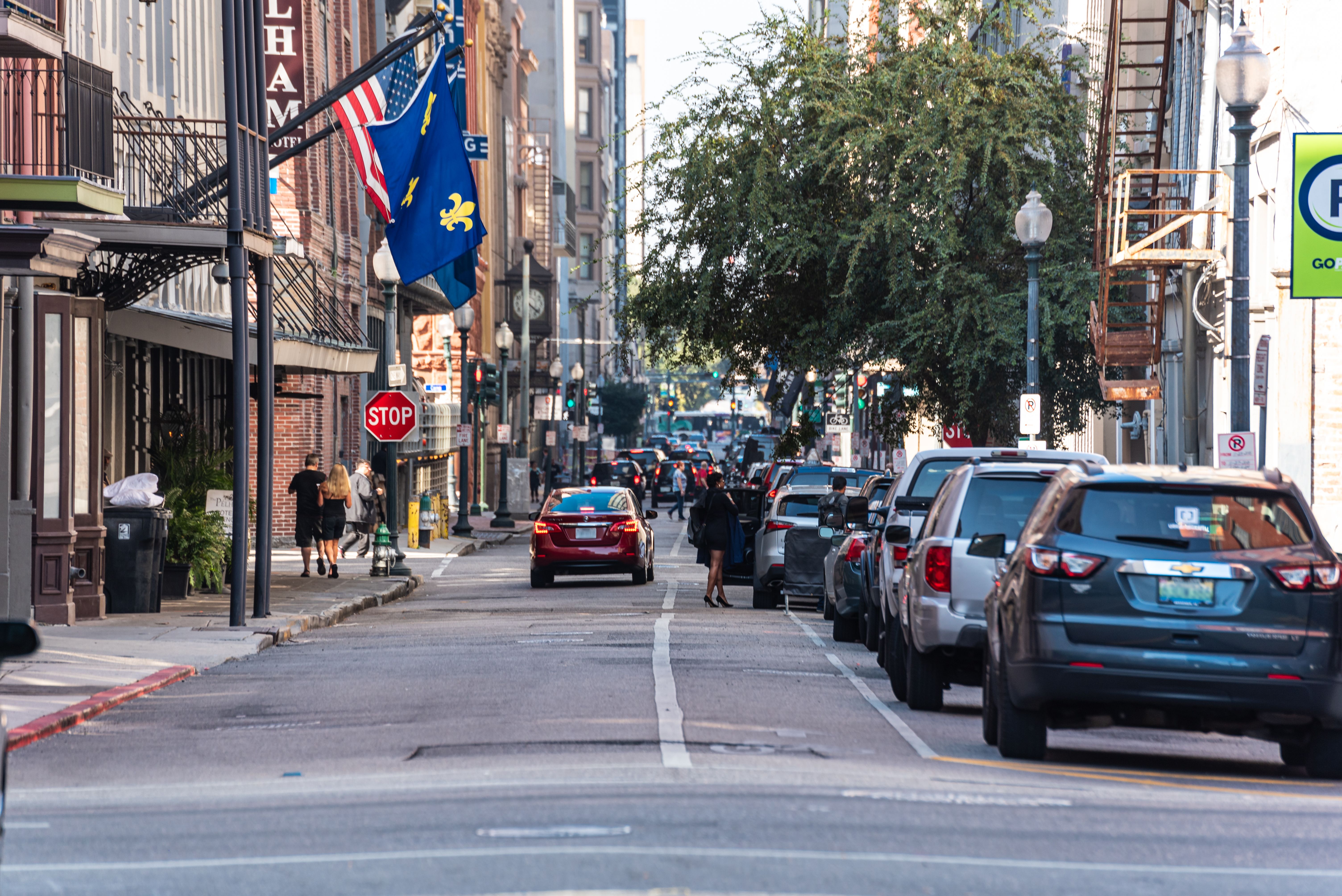
Layer your itinerary chronologically rather than geographically. Spend day one in the French Quarter studying Spanish-era buildings and visiting the Cabildo to understand colonial governance. Dedicate day two to Tremé and the National Park Service Jazz Historical Park, connecting architecture to musical heritage and free people of color. Use day three for the Garden District and St. Charles Avenue, contrasting American wealth with older Creole urbanism. Reserve day four for outliers such as Bywater, the Warehouse District, or a river plantation tour that contextualizes the agricultural economy behind every downtown fortune. Each day builds on the previous one, turning disconnected sights into a coherent narrative that explains why balconies are iron, why streets are narrow, and why second lines still parade every Sunday.
Protecting Your Investment in Historical Travel
Flights to New Orleans often connect through Atlanta, Dallas, or Houston, introducing delay and cancellation risk that threatens carefully sequenced itineraries. Purchase trip protection with cancel-for-any-reason coverage if your tour deposits are nonrefundable, and document all prepaid bookings, guided walks, and timed museum entries so you can file complete claims if disruptions occur. If an airline delay or cancellation compresses your schedule, tools like airline cancellation refund guidance clarify what carriers owe under DOT regulations, helping you recover costs and rebook without sacrificing essential experiences. Keep digital copies of all confirmation emails, tour receipts, and hotel reservations in a cloud folder accessible from your phone, ensuring you can submit claims immediately rather than waiting until you return home and memories fade.
Eight flags and four centuries wait beneath your feet, preserved by luck, law, and the economic accidents that spared New Orleans from the wrecking ball. Walk slowly, read every plaque, and let the layers speak. The city has been teaching travelers since 1718, and it never stops.
Sources and references
- Louisiana State Museum
- National Park Service New Orleans Jazz Historical Park
- New Orleans tourism historical archives
- U.S. DOT Final Rule on automatic refunds