The Savannah Charleston Low Country corridor remains one of the most misunderstood stretches of American travel, largely because the stories told about it have been carefully curated for generations. What most visitors encounter is a version of the antebellum South scrubbed clean, presented through tours that linger on architecture and garden parties while sidestepping the enslaved labor that built it all. The truth is more layered, more uncomfortable, and ultimately more interesting than the postcards suggest. To visit thoughtfully means seeking out the full historical record, not just the parts that photograph well.
What the Low Country Actually Means
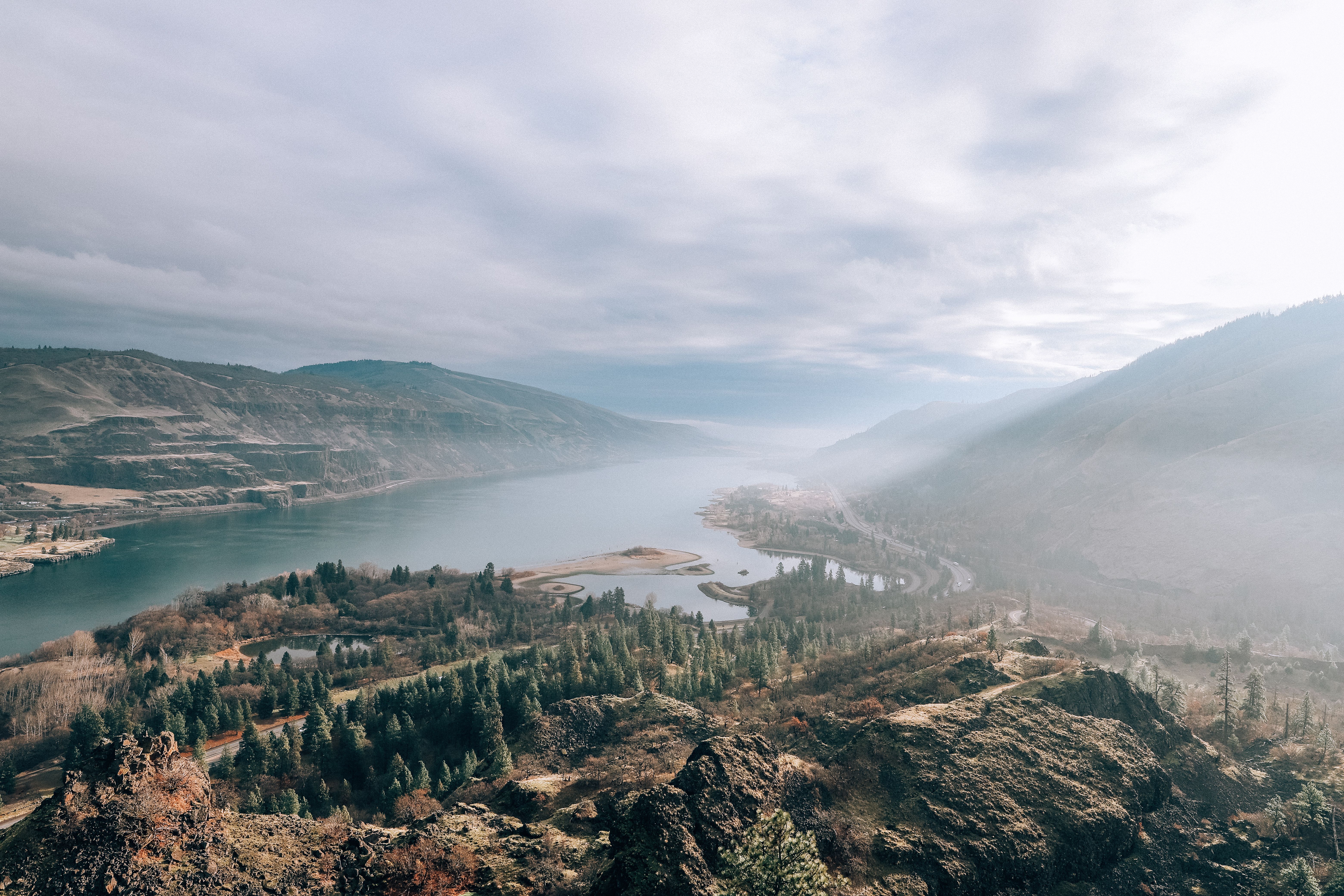
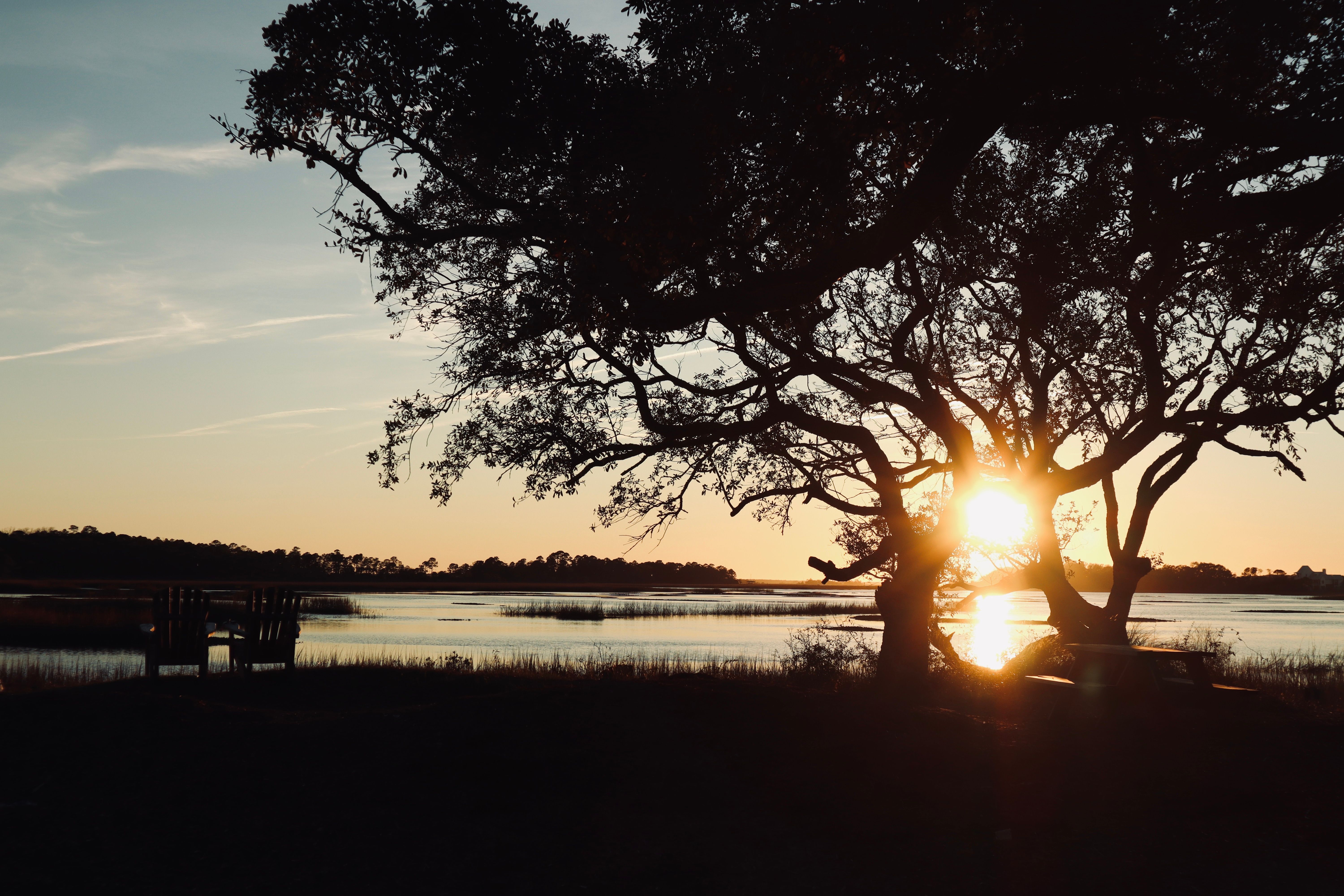
The Low Country is not a marketing term. It describes the coastal plain stretching from theACE Basin in South Carolina through the sea islands and tidal marshes down to the Georgia coast, a region defined by its geology, its Gullah Geechee culture, and its history of rice plantation economies built on West African agricultural knowledge[2]. The landscape sits just above sea level, cut through with tidal creeks and salt marshes that flood twice daily. Spanish moss drapes the live oaks because the humidity permits it. The air smells like pluff mud at low tide, a sulfurous scent that locals defend and visitors tolerate.
Savannah and Charleston anchor opposite ends of this zone, but the Low Country exists in the space between them. Beaufort, South Carolina, sits in the middle, a smaller city that avoided Sherman's march and preserved an unbroken streetscape of tabby construction and Federal-style homes. The sea islands like Edisto, Daufuskie, and St. Helena hold some of the last intact Gullah communities, where descendants of enslaved Africans maintained linguistic and cultural traditions that disappeared elsewhere[2]. Visiting the Low Country without spending time in these areas means missing the region's cultural core entirely.
Savannah's Grid and What It Hides
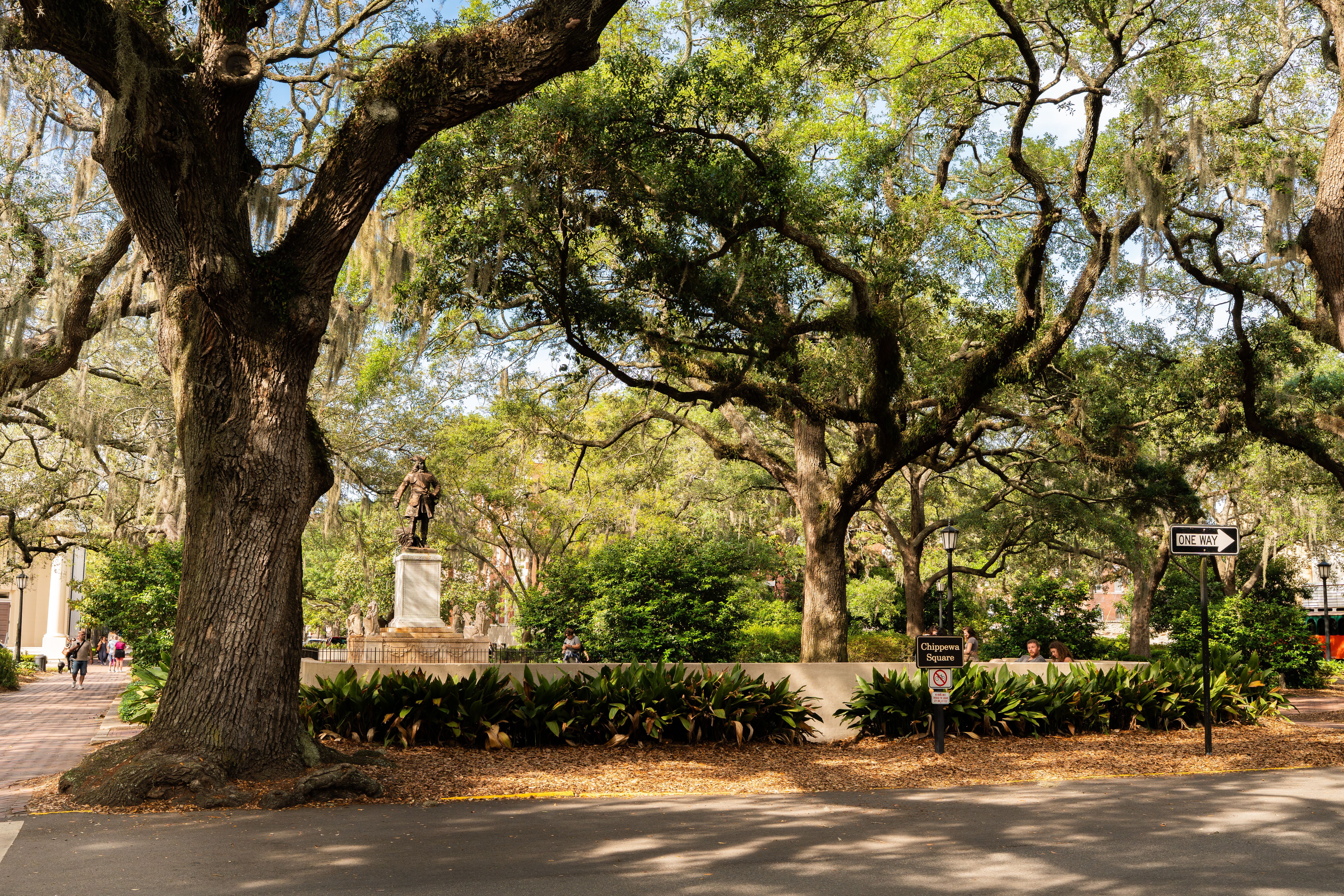
James Oglethorpe laid out Savannah in 1733 on a grid of residential squares, each anchored by a public park. Twenty-two of the original twenty-four squares survive, making the historic district one of the largest National Historic Landmark Districts in the United States[1]. The design is genuinely brilliant from an urban planning perspective, walkable and human-scaled in ways that most American cities abandoned centuries ago. Forsyth Park extends south from the grid, a 30-acre expanse with a cast-iron fountain that appears in every travel Instagram.
What the architectural tours often skip is that Oglethorpe's Georgia colony originally banned slavery. That prohibition lasted less than two decades. By 1751, plantation owners had successfully lobbied to overturn the ban, and Savannah became a major port in the domestic slave trade[2]. The wealth that built those squares and townhouses came directly from that economy. The First African Baptist Church, founded in 1773, still stands on Montgomery Street, its floors bearing breathing holes drilled for people hiding in the crawl space on the Underground Railroad[2].
Charleston's Preservation and Its Price
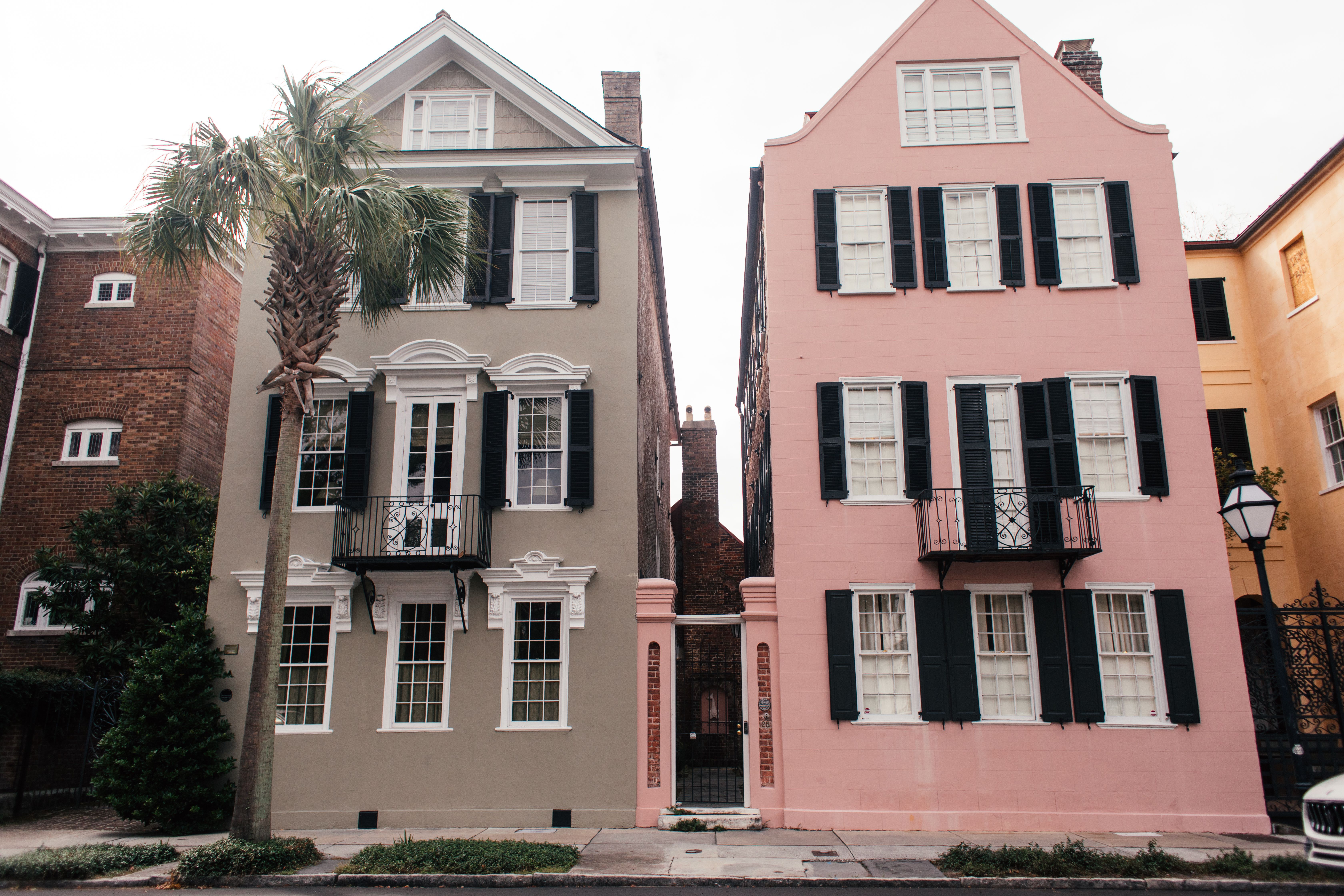
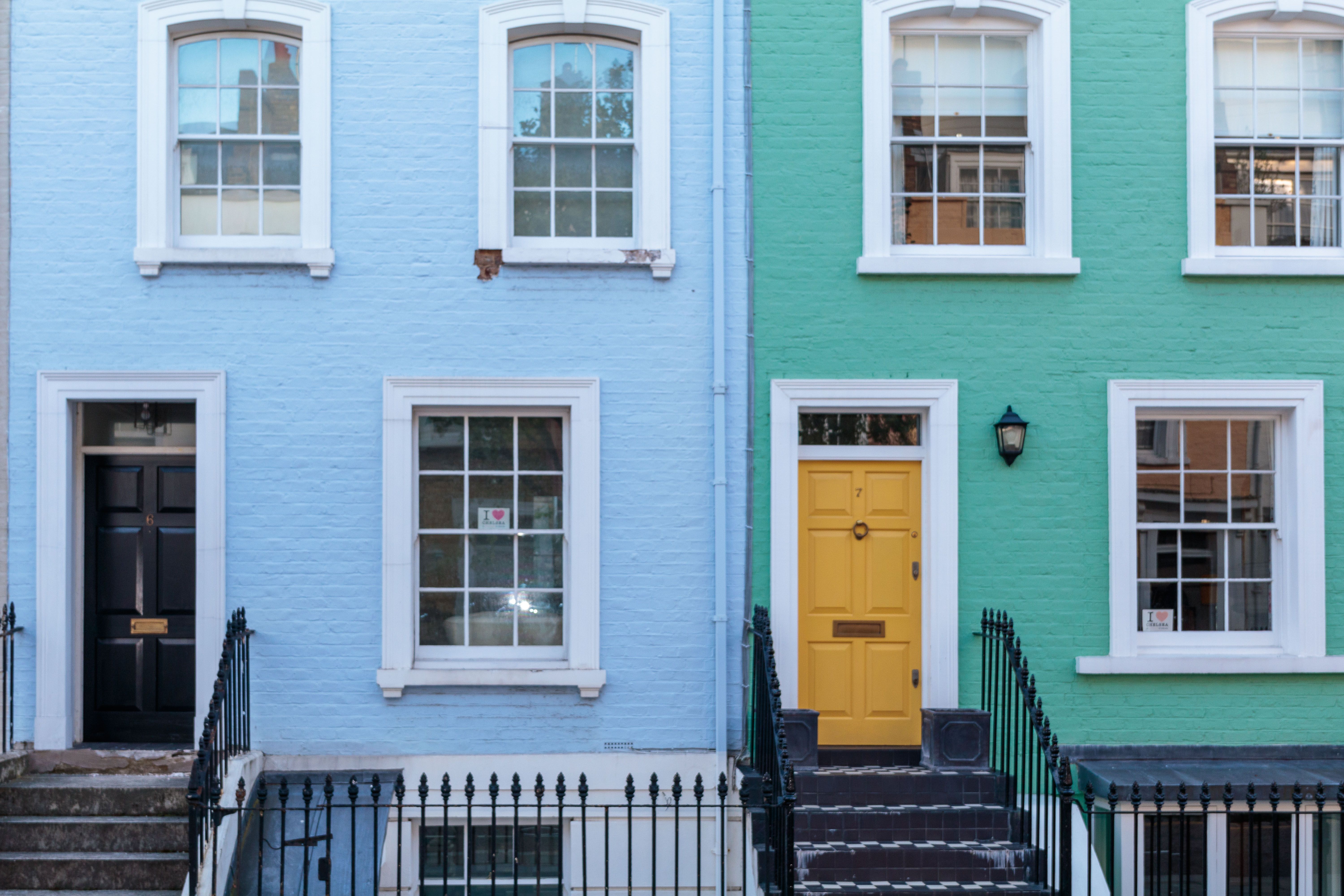
Charleston survived the Civil War mostly intact, then spent the next century too poor to tear anything down. What looks like deliberate preservation was often just economic stagnation. The peninsula below Broad Street, known locally as South of Broad, contains some of the finest Georgian and Federal architecture in America because no one could afford to replace it[3]. Rainbow Row, the stretch of pastel townhouses on East Bay Street, became colorful in the 1930s when a preservationist bought and renovated the deteriorating structures. Prior to that, they were tenements.
The city's preservation movement gained force in the 1920s, making Charleston one of the first American cities to enact historic zoning. That early action saved the physical environment but also froze certain narratives in place. House museums focused on the lives of wealthy merchants and planters, with enslaved people mentioned primarily in the context of where they slept or worked. The Old Slave Mart Museum, which opened in 2007 on Chalmers Street, was one of the first sites in Charleston to center the experience of enslaved Africans rather than their enslavers[3]. It occupies a building that functioned as an auction gallery after public slave auctions were banned from the city center in 1856.
Modern Charleston has become expensive, its tourism economy generating hotel rates that rival major coastal cities. The gentrification of the upper peninsula has displaced longtime Black residents from neighborhoods like Ansonborough and Radcliffeborough. Visiting responsibly means directing tourist dollars toward businesses and tours that tell complete stories. Gullah Tours offers walking experiences led by native Charlestonians. The International African American Museum, which opened on Gadsden's Wharf in 2023, sits on the site where nearly half of all enslaved Africans entered the United States[3].
Timing Your Visit to Avoid the Worst
The best weather window runs from mid-March through May and from late September through November. Summer in the Low Country is genuinely oppressive, with heat indices regularly exceeding 105°F and humidity that makes extended outdoor walking unpleasant. August is the peak of hurricane season, though the shoulder months of June and September carry risk as well.
Spring brings azaleas and the Charleston Garden Festival, but also higher accommodation prices. Fall offers oyster roasts and the MOJA Arts Festival, Charleston's celebration of African American and Caribbean culture held each September and October. Winter, particularly January and February, sees the lowest rates and the smallest crowds, though some historic homes reduce their tour schedules[1].
Key considerations for planning:
- Book historic district accommodations six months ahead for spring and fall travel
- Reserve plantation and house museum tours in advance; many cap daily visitors
- Budget extra time for Sea Island day trips; causeway traffic can add an hour each way
- Confirm tour operations after hurricanes; even near misses can close sites for weeks
- Allow full days for Boone Hall, Middleton Place, and Magnolia Plantation; these are not quick stops
The Plantations You Should Actually Visit
Not all plantation tours are created equal, and some actively perpetuate Lost Cause mythology. McLeod Plantation on James Island presents one of the most honest interpretations, focusing on the lives of enslaved people and the Gullah community that remained after emancipation[3]. The site preserves slave cabins, a gin house, and a barn, with interpretation that does not romanticize the architecture or the people who profited from it.
Boone Hall, despite its popularity, still emphasizes the "big house" over the nine brick slave cabins that line the approach avenue. Middleton Place offers a more balanced narrative, particularly in its Eliza's House exhibit, which details the domestic work that sustained plantation operations. Drayton Hall, maintained by the National Trust, has never been restored and shows the structure as it aged, without period furniture or decorative overlay.
Building an Itinerary That Respects Complexity
Start by identifying which stories matter most to your understanding of the region. If the goal is to grasp Gullah culture, prioritize sites like the Penn Center on St. Helena Island, one of the first schools for formerly enslaved people, established in 1862[2]. The center offers workshops, a museum, and access to historians who can contextualize the broader cultural landscape. Pair that with a visit to the Gullah Geechee Cultural Heritage Corridor Commission's interpretive centers, which stretch along the coast and provide orientation before diving deeper.
For architecture enthusiasts, the house museums in Charleston's French Quarter and Savannah's historic squares deliver what they promise, but add the Owens-Thomas House in Savannah to see an intact urban slave quarters with original furnishings and archaeological findings that tell a fuller story[2]. Balance those visits with time at Mother Emanuel AME Church in Charleston, site of the 2015 tragedy and a landmark of Black religious life since 1817.
Practical steps for a thoughtful visit:
- Research tour operators and guides in advance; ask explicitly about their approach to enslavement and Reconstruction
- Allocate at least one full day outside Savannah and Charleston proper to see the sea islands
- Support restaurants and businesses owned by longtime residents, not just waterfront tourist traps
- Read before you go; "The Water Is Wide" by Pat Conroy and "Gullah Cultures" by Wilbur Cross provide essential context
- Attend cultural events rather than just consuming sites; check local calendars for storytelling nights, oyster roasts, and heritage festivals
The Low Country rewards visitors who approach it with curiosity rather than nostalgia. The region's beauty is real, but so is its history, and one does not exist without the other. Traveling through Savannah, Charleston, and the sea islands means holding both truths at once, refusing the sanitized version in favor of the whole story.
Sources and references
- National Park Service historic districts
- Georgia Historical Society
- South Carolina tourism historical records
- U.S. DOT Final Rule on automatic refunds