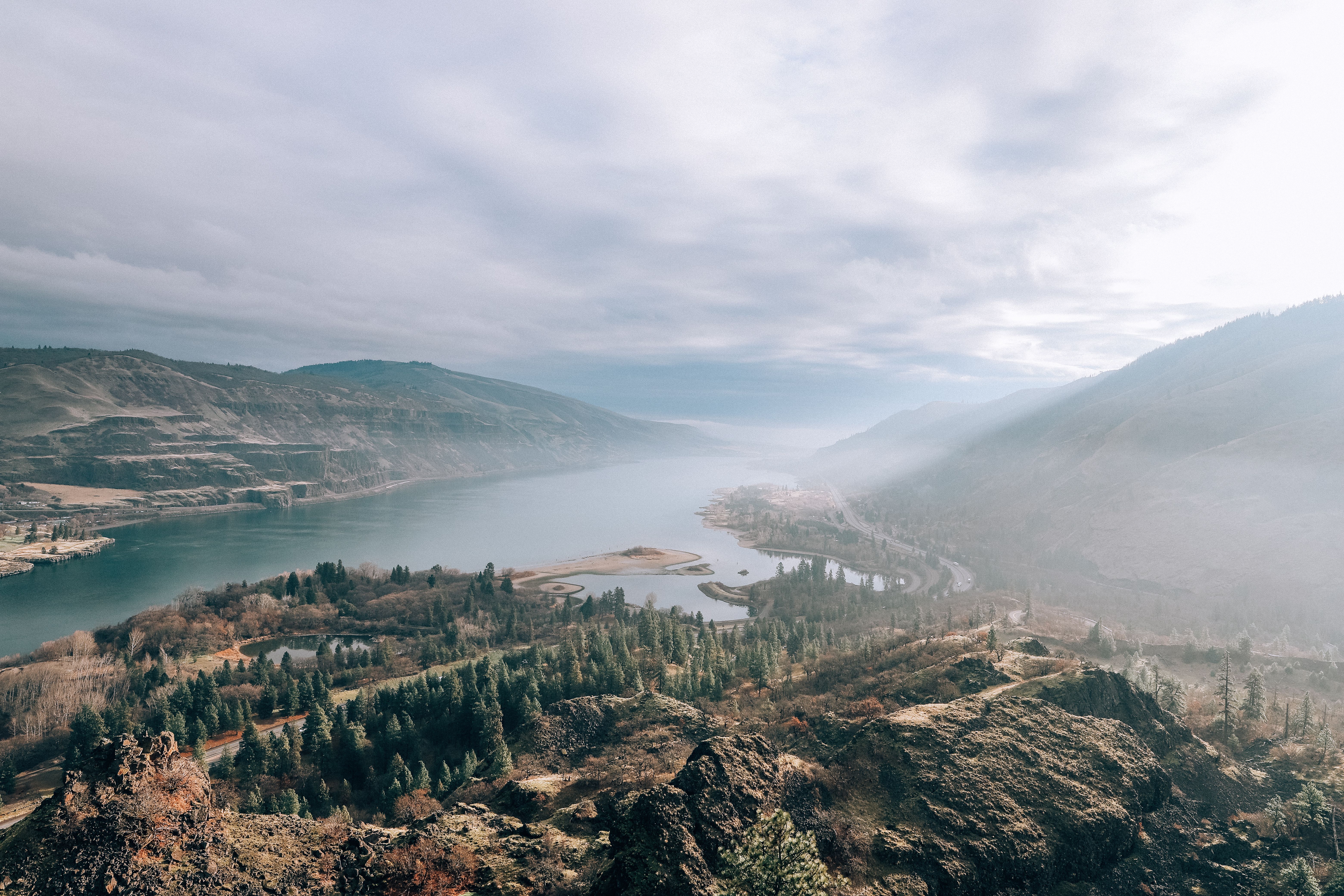
The light in the American desert hits differently. It's the reason Georgia O'Keeffe settled permanently in northern New Mexico in 1949, painting the same mesa hundreds of times as the sun moved across it. That same quality draws travelers today to Santa Fe, Sedona, and Marfa, three towns where the landscape, art, and clarity of vision feel preserved against the speed of modern life. These destinations share an arid beauty and cultural weight, yet each offers something distinct: Santa Fe's centuries-old adobe architecture and gallery density, Sedona's red rock formations and hiking access, Marfa's minimalist art installations set against vast Texas rangeland.
Why the American Desert Deserves Its Own Trip
The American Southwest isn't a stopover region. It requires deliberate planning, ideally a week or more to experience the distances and the tempo these places demand. Santa Fe sits at 7,000 feet elevation, where summer evenings cool quickly and winter brings occasional snow that clings to piñon trees. Sedona's Oak Creek Canyon offers riparian contrast to the high desert, with swimming holes accessible from trailheads like West Fork. Marfa operates on its own clock entirely, a town of fewer than 2,000 residents where the Chinati Foundation's permanent Donald Judd installations occupy former military buildings across 340 acres.[3]
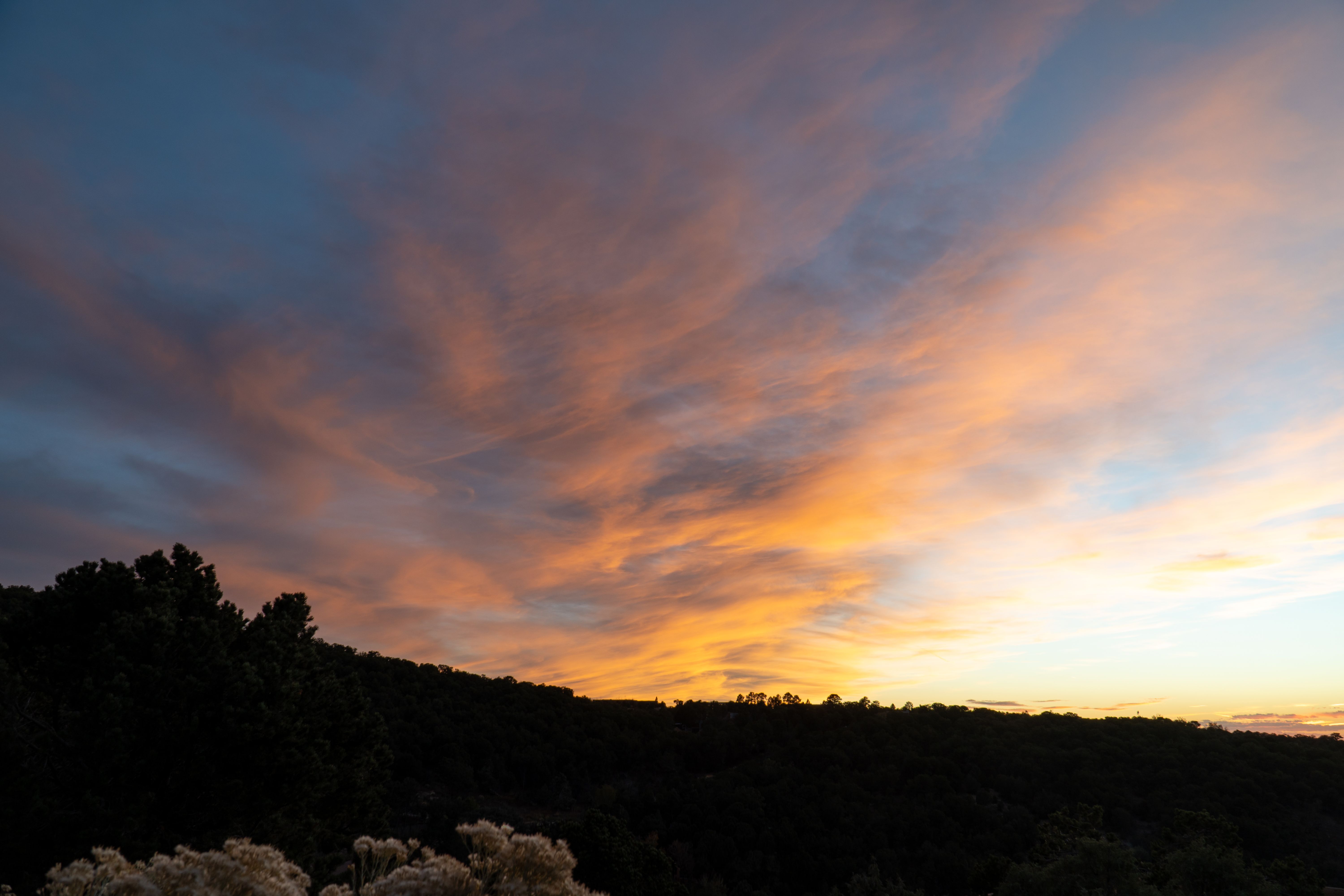
The desert rewards slow observation. Colors shift hourly: pale gold at dawn, saturated ochre by midday, violet and rose at dusk. You notice the absence of visual clutter, the way a single juniper tree becomes a point of focus against open land. Humidity rarely tops 30 percent, which means stars appear sharper at night and hiking feels manageable even when the thermometer climbs. Rain arrives as dramatic summer monsoons, brief and intense, leaving the air scented with creosote.
These three towns anchor a broader network of protected landscapes. Santa Fe provides access to Bandelier National Monument and the Valles Caldera, Sedona sits minutes from Red Rock State Park and the Coconino National Forest, and Marfa lies within striking distance of Big Bend National Park.[1] Planning for elevation, for temperature swings between day and night, and for limited cell service in remote areas becomes part of the rhythm.
Santa Fe: Centuries of Art and Architecture
Founded in 1610, Santa Fe remains the oldest state capital in the United States and retains strict building codes that preserve its adobe aesthetic.[2] The historic plaza anchors downtown, surrounded by the Palace of the Governors and dozens of galleries representing Native American, Hispanic, and contemporary artists. Canyon Road alone hosts more than 80 galleries in a half-mile stretch, many occupying former residences with interior courtyards and kiva fireplaces.
Museum Hill clusters four institutions: the Museum of International Folk Art, the Museum of Indian Arts and Culture, the Museum of Spanish Colonial Art, and the Wheelwright Museum of the American Indian. Allow a full day if you plan to visit more than two. Meow Wolf, the immersive art collective, operates its flagship House of Eternal Return inside a former bowling alley, blending narrative storytelling with interactive installations across 20,000 square feet.
Sedona: Red Rock Formations and Trail Access
Sedona's landscape photographs well but feels entirely different when you're standing inside it. The red sandstone formations, some rising 2,000 feet above the valley floor, glow brightest in late afternoon when the sun hits them at an oblique angle. Cathedral Rock and Bell Rock function as both scenic overlooks and moderate hikes, each accessible via well-maintained trails that take 60 to 90 minutes round trip. Chapel of the Holy Cross, built directly into the butte in 1956, offers panoramic views and architectural interest for those seeking less strenuous options.
Oak Creek runs through the center of town, creating a riparian corridor that sustains cottonwoods, sycamores, and year-round water features. Slide Rock State Park preserves a natural waterslide carved into the creek bed, popular with families during summer months. West Fork Trail follows the creek into a narrow canyon, requiring multiple stream crossings and offering shade even on hot days. The trail extends three miles one way before becoming a technical route requiring permits.
Tlaquepaque Arts & Shopping Village replicates a Mexican colonial plaza, housing galleries and boutiques in courtyards connected by arched walkways. The architecture aims for atmospheric cohesion rather than historical accuracy, and the density of shops makes it a practical stop for gifts or southwestern textiles. Nearby Jerome, a former copper mining town perched on Cleopatra Hill at 5,000 feet, provides historical contrast with buildings clinging to steep slopes and several tasting rooms occupying former commercial spaces.
Marfa: Minimalism Meets the High Desert
Marfa operates at a different scale and pace. Donald Judd moved here in 1971, purchasing buildings and land to install large-scale permanent works that required the uninterrupted space West Texas offered. The Chinati Foundation now stewards 100 aluminum works across two former artillery sheds, along with 15 concrete pieces placed outdoors where weather and light become part of the viewing experience.[3] Visits require advance booking, and guided tours run roughly two and a half hours.
The town itself consists of a few blocks radiating from the Presidio County Courthouse. Marfa Book Company anchors one corner, stocking art monographs and regional titles alongside general fiction. Hotel Saint George occupies a restored 1886 building with a restaurant and bar open to the public. Food Shark, a Mediterranean food truck parked on a gravel lot, serves lunch four days a week, weather permitting, and has earned attention disproportionate to its modest setup.
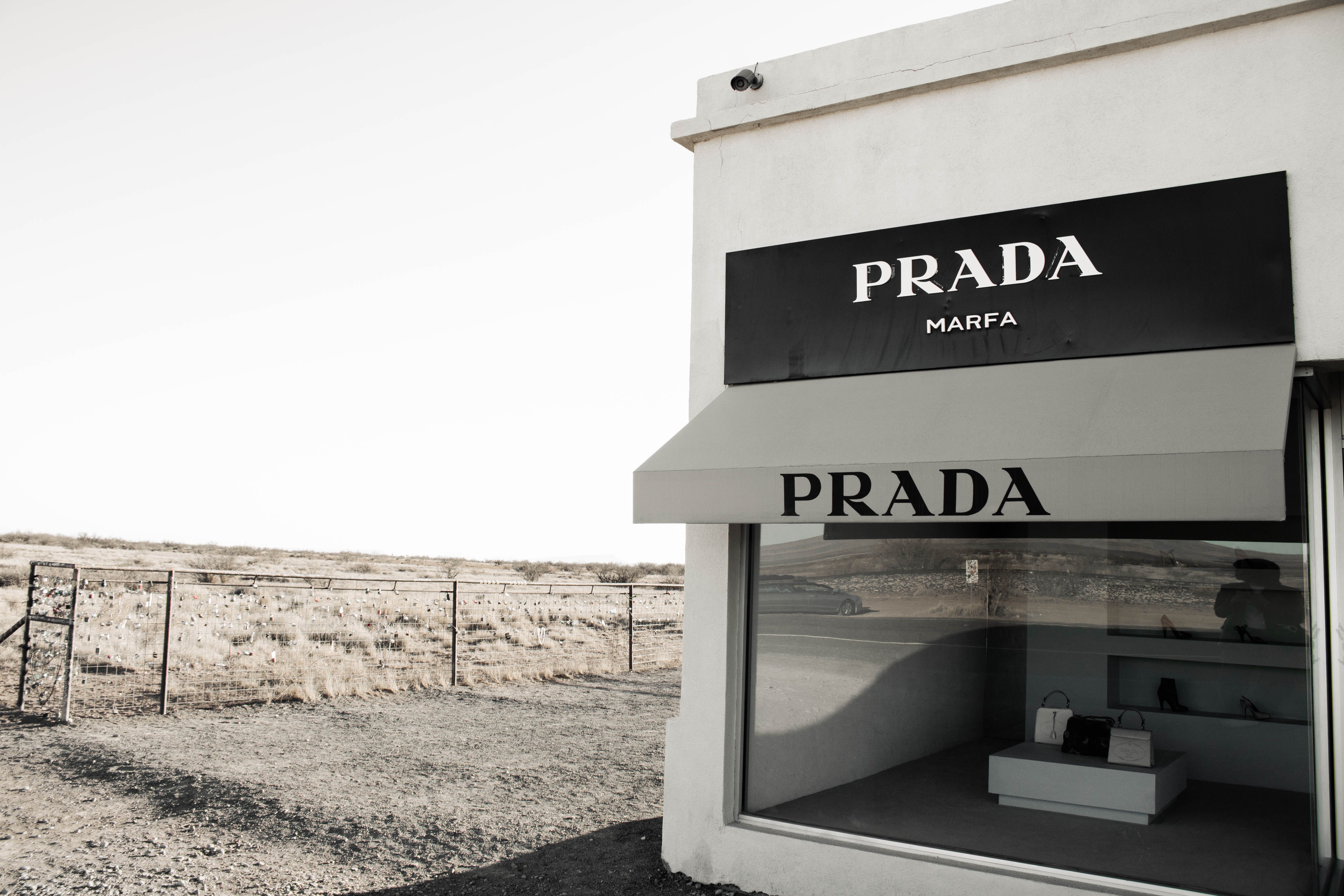
Prada Marfa, the permanently installed sculpture resembling a luxury boutique, sits 26 miles northwest on Highway 90. It's been photographed millions of times since 2005 but remains worth the drive for its absurdist juxtaposition against ranchland. The Marfa Lights Viewing Area lies nine miles east of town, where unexplained phenomena have been reported since the 19th century. Whether atmospheric or geological in origin, the lights appear sporadically, and clear nights offer the best chance of observation.
When to Visit and What to Pack
Timing matters in the desert. Consider these seasonal factors when planning travel across the American Southwest:
- Spring (March through May): Wildflowers peak in April, temperatures remain comfortable for hiking, and crowds stay manageable outside of spring break weeks.
- Summer (June through August): Afternoon monsoons bring dramatic skies but also flash flood risks in canyons. Morning hikes finish before midday heat, when temperatures often exceed 95°F.
- Fall (September through November): Aspen groves turn gold in Santa Fe's higher elevations, tourist numbers drop after Labor Day, and weather remains stable through October.
- Winter (December through February): Snow dusts Santa Fe and occasionally Sedona, while Marfa sees freezing nights but mild days. Gallery hours may be reduced, and some remote trails become impassable.
Pack layers regardless of season. Desert temperatures swing 30 to 40 degrees between day and night, so a fleece or light jacket becomes essential even during summer trips. Sunscreen, a wide-brimmed hat, and at least two liters of water per person for any hike longer than an hour prevent the most common mistakes visitors make. If travel disruptions affect your carefully timed Southwest itinerary, flight delay assistance and hotel overbooking support can help recover costs and keep plans on track.
Building an Itinerary That Respects Distance
Connecting Santa Fe, Sedona, and Marfa requires realistic time allocation. Santa Fe to Sedona spans roughly 420 miles, a six-hour drive through Albuquerque and Flagstaff. Sedona to Marfa covers 680 miles, requiring an overnight stop in Las Cruces or El Paso unless you're comfortable with ten-hour stretches. Flights between these cities involve connections through Phoenix, Dallas, or Albuquerque, and rental cars become essential once you arrive since public transit doesn't exist in any meaningful form.
Allocate three nights minimum per destination to experience the rhythm these places demand. Santa Fe requires time for Canyon Road galleries, museum visits, and a meal at one of the James Beard-recognized restaurants clustered near the plaza. Sedona hiking trails reward early starts, and afternoon hours suit gallery browsing in Tlaquepaque or a drive through Oak Creek Canyon to Flagstaff. Marfa's appeal lies partly in doing very little: reading at a cafe, driving empty ranch roads, waiting for sunset to change the color of the mountains.
Book accommodations well ahead during peak seasons. Santa Fe's Inn of the Five Graces and Rosewood Inn of the Anasazi fill quickly in September and October. Sedona's L'Auberge de Sedona and Enchantment Resort command premium rates year-round but deliver location and service that justify the expense. Marfa's Hotel Saint George and El Cosmico (an outpost of vintage trailers and safari tents) offer entirely different experiences at comparable price points. Confirm cancellation policies, especially if weather or flight delays might disrupt your plans.
What to Do When Desert Travel Plans Unravel
Remote destinations amplify the consequences of travel disruptions. Missed connections through Phoenix or Dallas can eliminate a full day in Sedona or Marfa, and limited daily flight frequencies mean rebooking often pushes you to the following day. Airlines owe compensation for significant delays and cancellations caused by factors within their control, and documenting these disruptions immediately improves claim outcomes. RecoverAir evaluates delay circumstances, calculates compensation based on routing and duration, and manages the filing process so you can focus on salvaging your itinerary.
Rental car shortages in smaller airports create additional friction. Confirming reservations in writing and understanding insurance coverage before departure prevents expensive surprises. Hotel overbooking happens even in boutique properties, particularly during high-demand weekends when art events or festivals converge. Know what alternative accommodations the property must provide and what compensation applies when they cannot honor confirmed reservations.
The desert teaches patience, attention, and respect for distance. These three towns reward travelers who arrive without rigid schedules, who allow light and landscape to dictate the day's tempo, and who understand that the journey between destinations matters as much as the arrival itself.
Sources and references
- National Park Service Southwest
- New Mexico tourism department
- Texas historical and arts records
- U.S. DOT Final Rule on automatic refunds