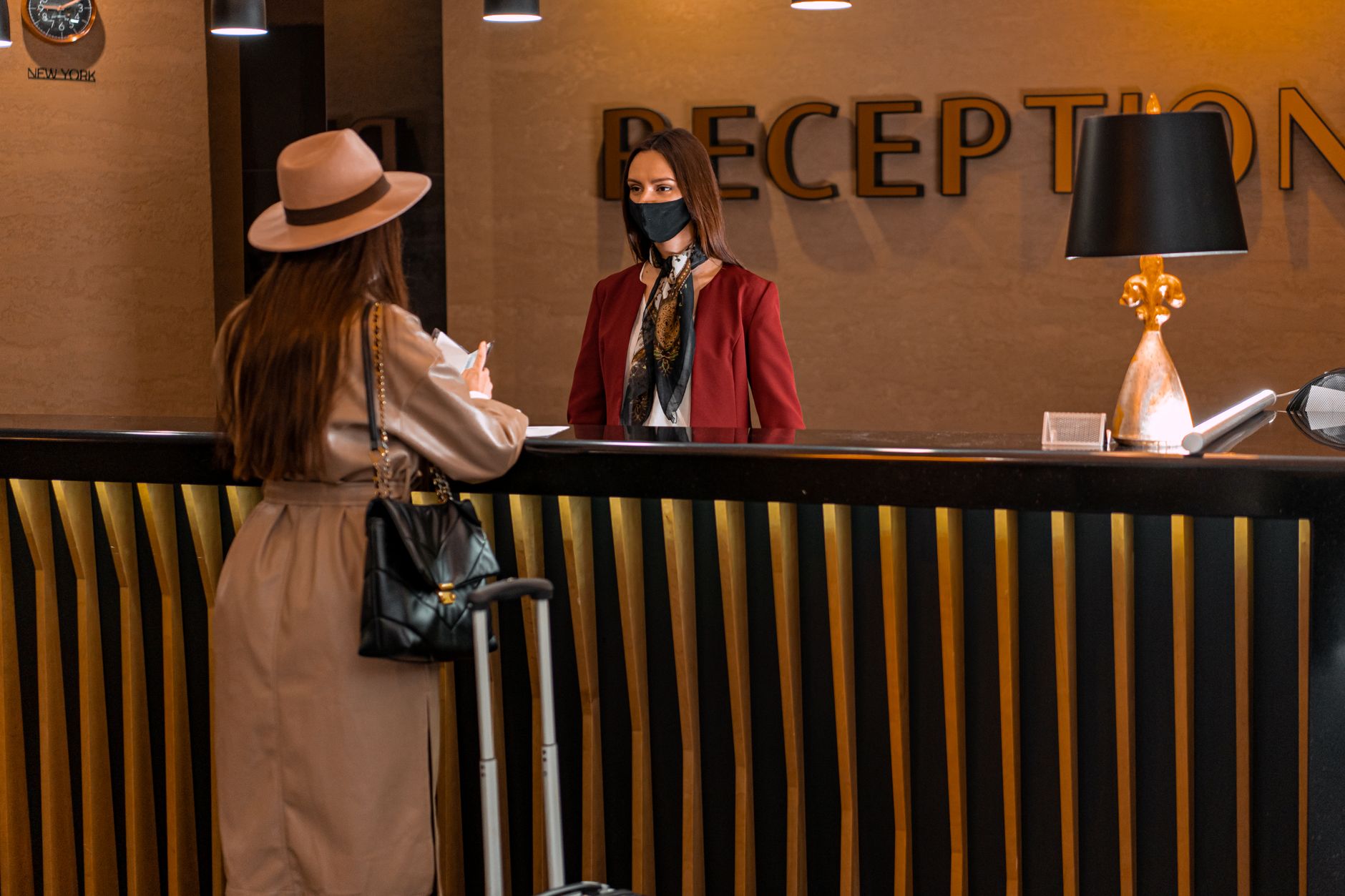
San Francisco hotel dispute recovery begins the moment you notice an overcharge, room downgrade, or denied reservation at a Union Square property. Guests can dispute charges directly with the hotel within 24 hours, escalate to credit card chargeback protection within 60 days, or file a complaint with the San Francisco Office of Cable, Franchise and Consumer Protection for violations of California consumer law.[1] California's Consumer Legal Remedies Act protects travelers from deceptive practices including misrepresented rates, hidden fees, and breach of confirmed bookings. Understanding your rights and the specific steps to challenge hotel billing errors or service failures can mean the difference between absorbing hundreds of dollars in unfair charges and recovering your money within weeks.
How to Dispute a San Francisco Hotel Overcharge
Overcharges at San Francisco hotels typically fall into four categories: unauthorized resort fees, incorrect room rates, duplicate charges, and minibar or incidental billing errors. The first step is to request an itemized folio from the front desk or accounting department and compare each line item against your reservation confirmation. Document the discrepancy with screenshots of your original booking, email confirmations, and photographs of posted rates if applicable.
Contact the hotel's general manager or guest services director within 24 hours of checkout. Major chains including Hilton, Marriott, and Four Seasons maintain dedicated resolution desks in San Francisco that can process refunds within three to five business days for documented errors.[3] Request written confirmation of any agreed adjustment and a specific timeline for the credit to appear.
If the hotel denies your dispute or fails to respond within 72 hours, file a chargeback with your credit card issuer. You have 60 days from the statement date to initiate a dispute under the Fair Credit Billing Act. Provide your card issuer with all documentation: reservation confirmation, itemized bill, correspondence with the hotel, and a clear written statement of the billing error. Credit card companies typically resolve hotel disputes within 30 to 90 days, and you are not required to pay the disputed amount during the investigation.
For persistent disputes or patterns of deceptive pricing, file a complaint with the San Francisco Office of Cable, Franchise and Consumer Protection.[2] The office investigates violations of California consumer protection statutes and can compel hotels to refund overcharges and correct misleading advertising. Document your complaint with copies of all evidence and a timeline of your attempts to resolve the matter directly with the hotel. Our hotel dispute recovery tools help organize documentation and track claim status across multiple resolution channels.
What Happens When a Union Square Hotel Walks You
Being walked means a hotel with a confirmed, prepaid reservation tells you upon arrival that no room is available. Union Square properties occasionally walk guests during peak convention periods, major city events, or when they overbook intentionally. California law requires hotels to assist walked guests in securing comparable or superior accommodations at no additional cost, or provide a full refund plus compensation for the inconvenience.
The hotel must immediately contact nearby properties to find available rooms in the same star rating and price category. They are responsible for covering any rate difference if the alternative accommodation costs more than your original booking. Request written documentation of the walking incident, including the reason for unavailability, confirmation that your reservation was valid, and details of the compensation offered.
If the hotel refuses to assist or offers a clearly inferior alternative, you can book your own replacement accommodation and bill the original hotel for the difference. Keep all receipts and correspondence. Under the California Consumer Legal Remedies Act, hotels that fail to honor confirmed reservations without proper compensation may be liable for actual damages, reimbursement of replacement lodging costs, and in cases of willful misconduct, punitive damages.[1] Our hotel overbooking compensation guide outlines specific recovery amounts by scenario.
Challenging Non-Refundable San Francisco Hotel Bookings
Non-refundable rates dominate San Francisco hotel inventory, particularly during high-demand periods when properties can enforce strict cancellation policies. These bookings can still be challenged if the hotel materially breached the contract, misrepresented amenities or services, failed to provide a habitable room, or violated California consumer protection statutes. Documentation of the hotel's failure to deliver promised services forms the foundation of any successful challenge.
Start by reviewing the exact terms of your non-refundable booking. Screenshots of the booking page, confirmation emails, and the hotel's published cancellation policy establish what was promised versus what was delivered. Common grounds for challenging non-refundable bookings include rooms that differ significantly from descriptions, advertised amenities that are unavailable (pools, gyms, parking), construction noise not disclosed at booking, and safety or cleanliness issues that render the room uninhabitable.
Contact the hotel's management with photographic evidence and written documentation of the breach. Major brands often authorize managers to issue refunds or credits when faced with clear evidence of service failures, even on non-refundable rates. Request a full refund in writing and set a 48-hour deadline for response. If the hotel refuses, dispute the charge with your credit card issuer on the grounds that services were not rendered as described.
The Fair Credit Billing Act allows cardholders to dispute charges for goods or services not delivered as agreed. Your credit card company will require evidence that the hotel failed to meet its contractual obligations. Chargebacks succeed most often when you can demonstrate material differences between what was advertised and what was provided, not mere dissatisfaction with décor or location. Travel insurance policies may also cover trip cancellations due to unforeseen circumstances, allowing recovery even when hotel policies prohibit refunds. Review your coverage through our insurance claim recovery platform to identify alternate reimbursement paths.
San Francisco Hotel Fee Disputes and Hidden Charges
Hidden fees plague San Francisco hotels more than most U.S. markets. Resort fees, destination charges, urban amenity fees, and facility maintenance charges can add $35 to $65 per night to advertised rates. California requires that hotels disclose the total price, including all mandatory fees, before completing a reservation.[1] Fees added after booking or not clearly disclosed during the reservation process violate state consumer protection law.
Common fee disputes in San Francisco include:
- Resort or amenity fees charged at properties without pools, spas, or fitness facilities typically associated with resorts
- Early check-in or late checkout fees not disclosed in booking confirmations
- Parking charges that exceed posted or confirmed rates
- Wi-Fi fees at properties that advertised free internet
- Cleaning fees or service charges added to bills without prior authorization
Challenge undisclosed fees by comparing your final bill against the total price shown at booking. If mandatory fees were not included in the displayed rate, you have grounds to dispute the additional charges. File the dispute with your credit card company and simultaneously report the deceptive pricing to the San Francisco Office of Cable, Franchise and Consumer Protection.[2] Regulatory complaints create pressure on hotels to revise billing practices and often result in refunds even after initial denials.
California Hotel Consumer Rights and Legal Protections
California provides some of the strongest hotel consumer protections in the United States through the Consumer Legal Remedies Act and unfair competition statutes. Hotels operating in San Francisco must clearly disclose all fees, honor confirmed reservations except in extraordinary circumstances, provide habitable rooms meeting basic safety and cleanliness standards, and refrain from deceptive advertising about amenities or services.
Travelers have the right to receive exactly what they reserved at the price displayed during booking. Any material difference between advertised features and actual conditions, whether room type, view, bed configuration, or available facilities, constitutes grounds for partial or full refund. California law also prohibits bait-and-switch tactics where hotels advertise low rates but claim those rooms are unavailable upon arrival, pressuring guests into higher-priced alternatives.
If a hotel violates your rights and informal resolution fails, you can pursue recovery through small claims court for amounts up to $10,000. Cases involving deceptive practices, breach of contract, or failure to honor reservations often succeed when supported by clear documentation. Alternatively, hiring a consumer protection attorney may be worthwhile for disputes exceeding several thousand dollars, as California law allows recovery of attorney fees in successful consumer protection cases.
Steps to File a San Francisco Hotel Dispute
Filing a San Francisco hotel dispute requires organized documentation and a clear timeline of actions. Start by gathering all evidence within 24 hours of discovering the problem: reservation confirmations, email correspondence, screenshots of advertised rates and amenities, photographs of room conditions, itemized bills, and any written communication with hotel staff. Creating a chronological record of events strengthens your position whether you pursue resolution through the hotel, credit card chargeback, or regulatory complaint.
Contact the hotel's general manager or guest services director first, presenting your evidence and requesting specific remedies with a 48-hour response deadline. Major chains often empower property managers to authorize refunds up to $500 without corporate approval. Follow up all phone conversations with written confirmation via email, establishing a paper trail that proves you attempted direct resolution before escalating.
If the hotel denies your claim or fails to respond within the stated timeframe, initiate a credit card chargeback by calling the number on the back of your card. Explain the dispute clearly, reference the Fair Credit Billing Act protections, and submit all documentation electronically through your card issuer's dispute portal. Simultaneously file a complaint with the San Francisco Office of Cable, Franchise and Consumer Protection, which investigates violations and can compel corrective action even after chargebacks close.[2] Use our claim dispute letter templates to structure communications that address legal requirements and increase approval rates.
What You Can Recover From Bay Area Hotel Disputes
Recovery amounts in Bay Area hotel disputes depend on the violation type and documentation quality. Overcharge disputes typically result in full reversal of incorrect charges plus any overdraft or late fees caused by the billing error. Guests walked from Union Square hotels can recover the full cost of replacement accommodations, transportation to the alternate property, and compensation for time and inconvenience ranging from one night's room rate to full trip refunds in severe cases.
Non-refundable booking disputes succeed most often when hotels fail to deliver habitable rooms or materially misrepresent amenities. Successful claims recover the full prepaid amount plus any additional costs incurred securing alternate lodging. Fee disputes involving undisclosed charges result in removal of those fees and potential refund of amounts already paid. California law allows recovery of attorney fees and costs in successful consumer protection cases, making legal action viable even for moderate disputes.[1]
Recovery timelines vary by dispute channel. Direct hotel resolutions process within three to seven business days. Credit card chargebacks take 30 to 90 days but provide provisional credits during investigation. Regulatory complaints through city consumer protection offices may take 60 to 120 days but often result in policy changes preventing future violations. Our recovery tracking tools monitor claim status across all channels and alert you to required follow-up actions.
San Francisco hotel dispute recovery succeeds when travelers document problems immediately, understand California consumer protections, and pursue multiple resolution paths simultaneously. Whether challenging an overcharge, fighting a walking incident, or disputing hidden fees, organized evidence and timely action determine whether you absorb unfair charges or recover your money within weeks.
Sources and references
- California Consumer Legal Remedies Act
- SF Office of Cable, Franchise and Consumer Protection
- Hilton/Marriott/Four Seasons SF