A weather system rolls through Pittsburgh and grounds a hundred flights. Or an inbound aircraft arrives late from Charlotte, and the connection disappears before anyone can rebook. For travelers stranded at Pittsburgh International, the frustration of a Pittsburgh flight delay compensation situation is compounded by a common and infuriating suspicion: that the airline owes something real, and that the path to collecting it runs through a labyrinth designed to discourage. That suspicion, more often than not, is correct.
Federal Law Changed What Airlines Owe You at PIT
A new U.S. Department of Transportation final rule, now in effect, reset the baseline for what passengers are owed when a flight is canceled or significantly delayed.[1] The rule is not a courtesy. Airlines operating at Pittsburgh International, including American, Southwest, and Frontier, are now required to issue automatic cash refunds for cancellations and for significant delays, regardless of whether the disruption was caused by weather, mechanical failure, or crew shortage.
Before this rule, airlines leaned hard on vouchers and travel credits. Many travelers accepted them, not realizing they were trading away a legal right to cash. The DOT's 2024 framework closes that gap. A "significant delay" under the rule means three hours or more for a domestic flight, and the refund must come in your original form of payment without you having to ask twice or escalate to a supervisor.[1]
The rule applies to every carrier at PIT, regardless of the disruption's cause. Weather is not a legal exit for the airline on refunds under the DOT framework, even if weather routinely gets invoked as a reason to deny a separate travel insurance claim.
Understanding that distinction matters. A refund right under federal DOT rules is separate from a compensation claim under your travel insurance policy. Travelers who conflate the two often end up with neither. The flight delay compensation guide on this site walks through exactly where each framework applies, so you know which lever to pull first.
American Airlines Operates the Largest Share of PIT Traffic, and the Rules Apply to Them Directly
American runs the most departures out of Pittsburgh International, which means the largest share of delay situations at PIT involve American's customer service commitments.[3] American's published customer service plan acknowledges rebooking on the next available flight, meals and vouchers after significant delays caused by the carrier, and hotel accommodations for overnight delays within the airline's control.[3]
What the customer service plan does not guarantee is automatic delivery. Travelers who do not ask, document, and follow up frequently receive less than the plan promises. Keeping receipts for meals, ground transportation, and lodging is not optional if you intend to file. It is the foundation of any recoverable claim. Read the full 24-hour recovery framework at When a Flight Falls Apart before your next departure so the documentation habit is already in place when disruption hits.
What the Claim Process Actually Looks Like at PIT
Most travelers who are owed a refund after a Pittsburgh delay do not fail because they lack rights. They fail because they mistime the request, submit the wrong documentation, or accept a voucher before they understand what they surrendered. The sequence matters as much as the entitlement itself.
A workable approach, in order:
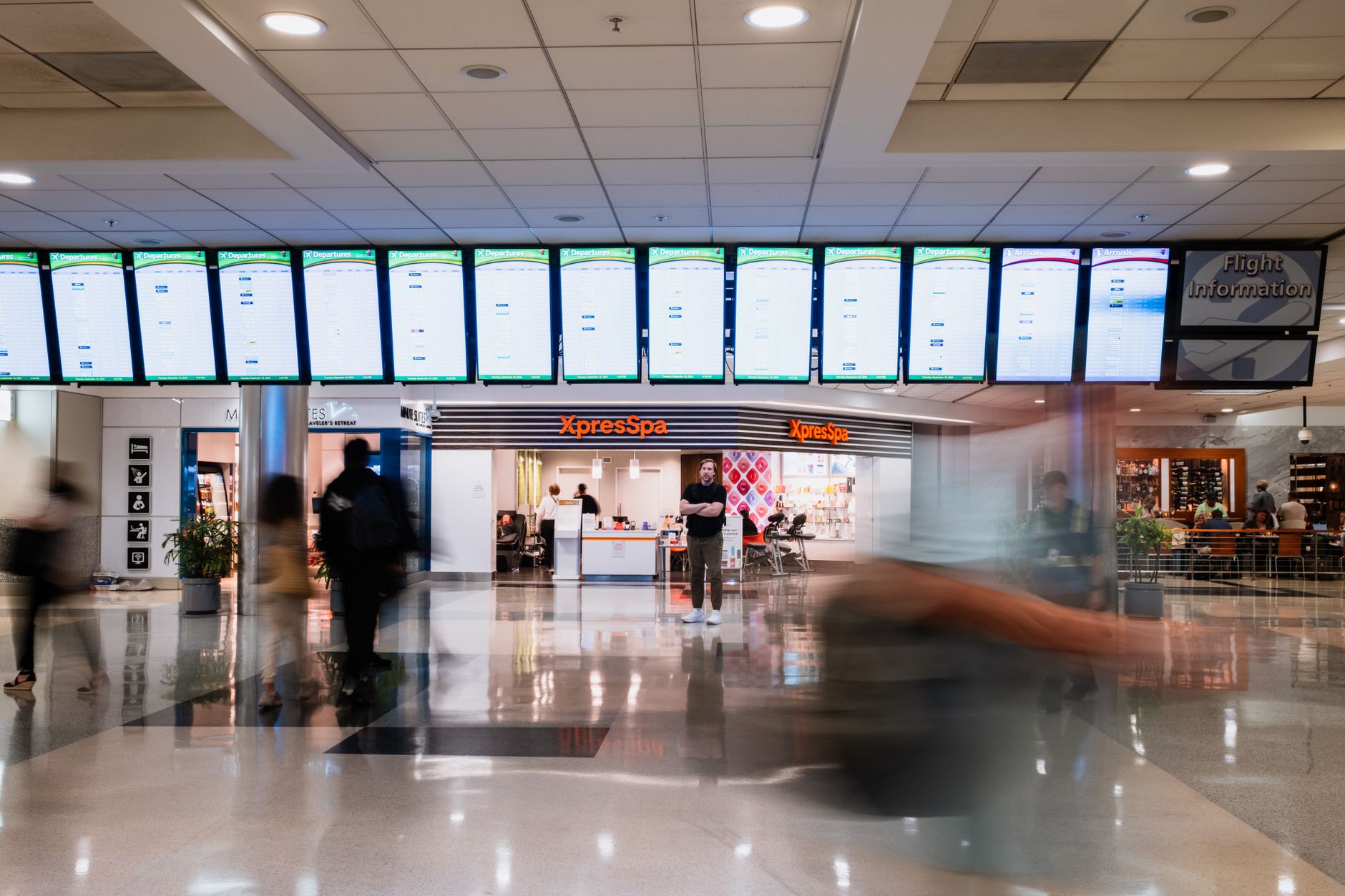
- Document the delay at the gate. Screenshot the departure board, save every airline notification, and note the time you received each one. Airlines dispute delay lengths more often than passengers expect, and a timestamped record is the difference between a recoverable claim and a he-said dispute.
- Request rebooking in writing, not just verbally. If an agent rebooks you at a kiosk or over the phone, ask for a confirmation email immediately. Verbal commitments disappear.
- Keep every receipt. Meals, ground transportation, and lodging purchased because of a carrier-caused delay are potentially reimbursable under American's customer service plan.[3] Without receipts, those amounts are not recoverable, regardless of what the plan says.
- Demand cash, not a credit. Under the DOT's final rule, a significant domestic delay of three or more hours entitles you to a refund in your original payment form.[1] A voucher offer is not compliance. Accepting it voluntarily may waive your right to cash.
- File with the DOT if the airline stonewalls. The Department of Transportation accepts passenger complaints directly. A filed complaint creates a formal record and often prompts a response that a polite email to the airline did not.
The full mechanics of moving through this in real time, from the first delay notification through the documentation window, are laid out in the 24-hour flight recovery playbook, which is worth reading before disruption, not after.
Weather Claims Require a Sharper Distinction Than Most Travelers Realize
Pittsburgh's geography creates genuine weather exposure. Lake-effect conditions, ice events, and fast-moving fronts off the Allegheny ridges can ground flights for hours. Airlines are practiced at invoking weather as a blanket reason to deny meal vouchers, hotel accommodations, and additional compensation, and in many cases that invocation is legally defensible for those specific amenities.
What weather does not excuse, under current federal rules, is the refund itself.[1] A cancellation is a cancellation, regardless of cause. If your flight is canceled or delayed past the three-hour domestic threshold and you choose not to travel, the airline must refund your fare in cash to your original payment method. Weather provides no shelter from that obligation.
The practical split: weather limits what airlines owe in amenities (meals, hotels) but does not reduce what they owe in refunds. Knowing which column your claim falls into is the first step in knowing whether to push back.
Travel insurance claims for weather disruption follow entirely different rules and sit under your policy's terms, not DOT authority. The Pennsylvania Insurance Department oversees insurers operating in the state and provides a formal complaint channel when a claim is improperly denied.[2] If a weather-related trip interruption or cancellation claim has been denied and you believe the denial is wrong, that is a separate fight from your airline refund, and it requires different documentation and a different escalation path. The Raleigh flight delay compensation guide covers the same federal-versus-insurance split in comparable detail for travelers who want to see the framework applied to another hub market.
Denied or Stalled Claims Need a Different Kind of Advocate
Filing correctly and still being denied is more common than it should be. Airlines issue automatic denials on refund requests. Insurers cite documentation gaps, pre-existing condition clauses, or policy exclusions that may not apply to your actual situation. At that point, the question is not what you are owed but who will argue it effectively on your behalf.
RecoverAir's flight claims service is built specifically for this stage: the appeal, the resubmission, and the escalation to DOT or state regulators when the airline or insurer refuses to move. It is not a general travel platform. This is a claims recovery operation, and it focuses on the moment most travelers give up.
Take These Steps Before You Leave the Airport
The window for building a strong claim is short, and most of it closes before you reach baggage claim. Travelers who leave PIT without documentation in hand are not disqualified from filing, but they are working harder for the same result. A few actions taken at the gate protect everything that follows.
First, do not accept any offer from an airline agent without reading it. A voucher handed over a counter is a settlement, not a gesture. Signing or tapping to accept it can extinguish your right to a cash refund under the DOT's automatic refund rule.[1] Ask what the document says before you agree to anything.
Second, photograph or screenshot the departure board at the moment the delay or cancellation is posted. That timestamp is often the cleanest proof of delay length if the airline's own records are disputed later. Save every push notification the airline sends, with the time visible.
Third, if you purchase meals, a hotel room, or a rideshare because your flight is canceled or significantly delayed by a carrier-controlled cause, keep every receipt. American's customer service plan covers those expenses under certain conditions,[3] but the airline will not reimburse what you cannot prove you spent.
Fourth, if the airline does not resolve your refund or reimbursement within a reasonable period, file a formal complaint with the U.S. Department of Transportation. The complaint process is free, creates an official record, and frequently generates a response that repeated emails to the airline did not. That DOT rules playbook for Providence flight delays walks through the same escalation sequence in comparable terms, useful if you want to see how the complaint path works before you use it.
What Travelers Who Push Back Actually Recover
The practical value of filing correctly is not symbolic. A cash refund on a canceled domestic ticket returns the full fare to your original payment method, not a restricted credit that expires in twelve months.[1] Documented meal and hotel expenses recovered through an airline's service plan put real money back against a disruption you did not choose.
Travelers who document thoroughly and appeal explicitly recover more than those who accept the first offer. That is not a guarantee of outcome; it is the consistent pattern in how claims resolve.
When documentation is complete and an airline or insurer still refuses, RecoverAir handles the appeal and escalation. The service is built for exactly this outcome: the denial that arrives after you did everything right. Use the flight delay compensation calculator to understand your baseline before filing, so you know what you are arguing for before the conversation starts.
Pittsburgh delays are real, the rules protecting you are real, and the path from disruption to a resolved claim is navigable. Bring documentation, refuse vouchers you did not choose, and know when to escalate.
Sources and references
- U.S. DOT Final Rule on automatic refunds
- American customer service plan